 0
0
 0
0
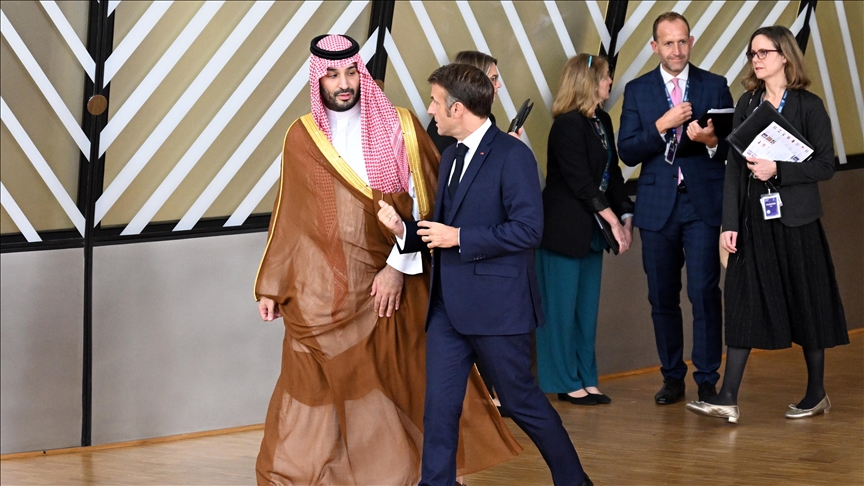
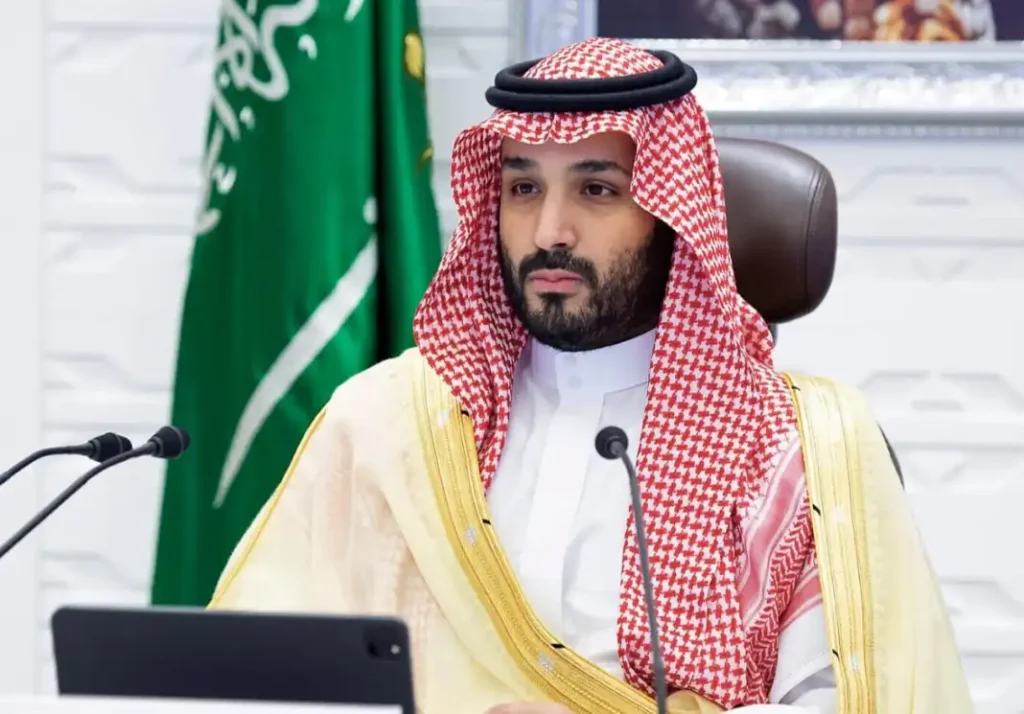
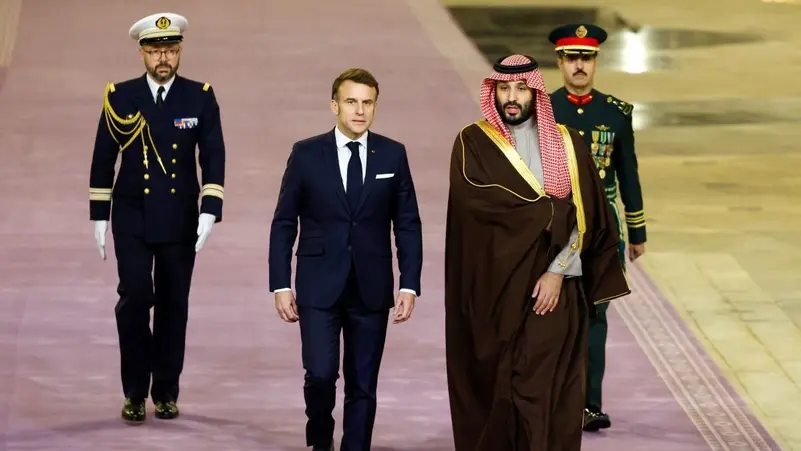
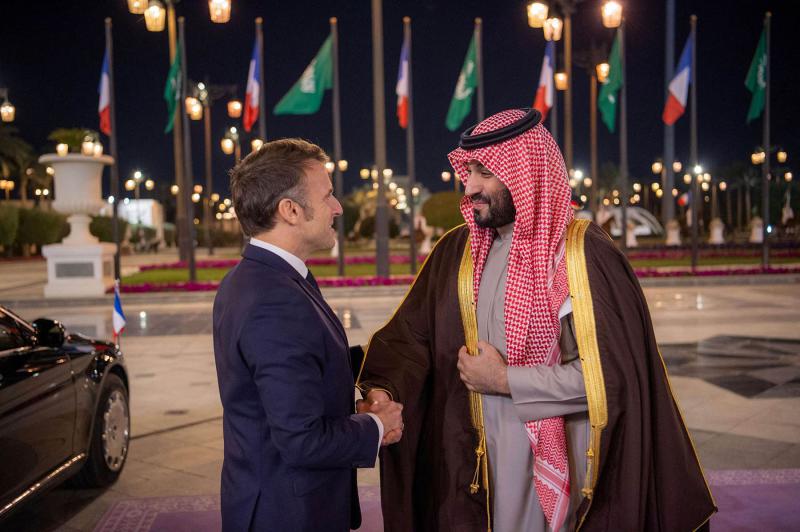
Saudi crown prince Macron regional military escalation discussions took center stage during a phone call between Saudi Arabia’s Crown Prince Mohammed bin Salman and French President Emmanuel Macron as concerns grow over rising tensions across the Middle East.
According to a statement released by Saudi Arabia’s Foreign Ministry, both leaders spoke about recent military developments in the region and the broader implications for global security. Saudi crown prince Macron regional military escalation conversation focused on diplomatic efforts and the urgent need to prevent further escalation.
The call comes at a time when geopolitical tensions in the Middle East have intensified significantly following recent military confrontations involving several regional and global powers.
Saudi Arabia and France Address Rising Regional Tensions
Saudi Arabia and France used the high-level discussion to examine the ongoing security situation and its potential impact on both regional stability and international peace.
Officials indicated that the leaders exchanged views on the rapidly evolving situation, particularly as several countries have become indirectly involved in the conflict.
Both sides emphasized the importance of restraint and responsible actions to avoid further destabilization.
Key points raised during the conversation included:
-
The need to reduce military escalation in the region
-
Protecting civilian populations and infrastructure
-
Supporting diplomatic solutions to the conflict
-
Maintaining international security cooperation
The call highlights the continued diplomatic engagement between Riyadh and Paris on major global security matters.
Importance of Saudi-French Strategic Dialogue
Saudi Arabia and France maintain longstanding diplomatic relations that frequently involve cooperation on economic, political, and security issues.
Their discussions often focus on:
-
Counterterrorism collaboration
-
Middle East security policies
-
Energy market stability
-
International peace initiatives
The latest conversation reflects the growing urgency among international leaders to manage the escalating crisis.
Diplomatic Efforts to Prevent Wider Conflict
During the phone call, both leaders reportedly stressed the need to halt actions that could further threaten stability.
Diplomatic engagement remains a critical tool in preventing regional conflicts from expanding into wider international confrontations.
Analysts note that discussions between major global powers can help reduce misunderstandings and encourage peaceful solutions.
Background: February 2026 Military Escalation in the Middle East
The Saudi crown prince Macron regional military escalation discussions come amid one of the most intense periods of conflict in the Middle East in recent years.
Tensions surged dramatically following a joint military operation reportedly conducted by Israel and the United States on February 28, 2026.
Key Developments From the February 2026 Conflict
According to Iranian authorities, the strikes resulted in significant casualties and infrastructure damage.
Reported impacts include:
-
Approximately 1,300 fatalities
-
More than 10,000 injuries
-
Destruction of several strategic facilities
Among those killed was Iran’s Supreme Leader, Ali Khamenei, a development that dramatically intensified the geopolitical crisis.
The operation triggered immediate reactions from Tehran and raised fears of a broader regional war.
Iran’s Retaliatory Drone and Missile Attacks
Following the strikes, Iran launched a series of retaliatory operations targeting multiple locations across the region.
The counterattacks reportedly involved:
-
Drone strikes
-
Ballistic missile launches
-
Targeting of military facilities and infrastructure
Countries affected by the retaliatory strikes included:
-
Israel
-
Jordan
-
Iraq
-
Gulf nations hosting United States military bases
These attacks resulted in additional casualties and damage to civilian infrastructure, further heightening international concern.
Why the Middle East Escalation Matters Globally
The Saudi crown prince Macron regional military escalation talks underscore the broader global implications of the ongoing crisis.
The Middle East plays a critical role in international security, global energy markets, and geopolitical alliances.
Potential Global Consequences
Escalating conflict in the region can have far-reaching effects, including:
-
Disruptions to global oil and energy supplies
-
Increased security risks for international shipping routes
-
Heightened tensions between global military powers
-
Humanitarian crises affecting millions of civilians
Many governments and international organizations are closely monitoring the situation to prevent further deterioration.
Role of Diplomacy in Crisis Management
Diplomatic engagement between influential nations such as Saudi Arabia and France can help encourage dialogue among parties involved in the conflict.
Diplomacy may contribute to:
-
Ceasefire negotiations
-
Humanitarian assistance coordination
-
Regional security arrangements
-
Long-term conflict resolution efforts
While immediate solutions remain uncertain, diplomatic communication remains one of the most important tools for reducing tensions.
Saudi Arabia’s Position in Regional Stability
Saudi Arabia plays a major role in Middle East politics due to its economic influence, strategic location, and diplomatic relationships with many countries.
The kingdom has frequently participated in regional mediation efforts and international diplomatic discussions related to security and stability.
Saudi Arabia’s Strategic Importance
Saudi Arabia’s role in regional stability is shaped by several factors:
-
Its position as a leading Arab economy
-
Close ties with Western countries
-
Influence within regional political organizations
-
Importance in global energy markets
These factors make Saudi Arabia a key player in any discussions about Middle East security.
France’s Diplomatic Role in the Middle East
France has historically maintained active diplomatic involvement in Middle East affairs.
The country frequently participates in international initiatives aimed at:
-
Stabilizing conflict zones
-
Supporting humanitarian missions
-
Promoting diplomatic negotiations
The conversation between Riyadh and Paris reflects continued international efforts to manage the unfolding crisis.
International Reactions to Escalating Tensions
Governments around the world have expressed concern about the rapid escalation of military activity in the region.
International organizations and foreign ministries have called for restraint and emphasized the importance of dialogue.
Diplomatic efforts from global leaders aim to prevent the conflict from expanding beyond the region.
As the situation continues to develop, policymakers and analysts remain focused on the potential implications for global security and stability.
FAQ
What was discussed in the Saudi crown prince Macron regional military escalation call?
The discussion focused on rising military tensions in the Middle East, the impact on regional and global security, and the need to halt actions that could escalate the conflict further.
Why are Saudi Arabia and France involved in discussions about Middle East tensions?
Both countries play significant diplomatic roles internationally and often cooperate on global security issues, including efforts to stabilize conflicts in the Middle East.
What triggered the current Middle East military escalation in 2026?
The tensions intensified after reported joint military strikes by Israel and the United States on Iran on February 28, 2026, followed by retaliatory drone and missile attacks from Tehran.
How could the Middle East conflict affect the global community?
Potential effects include disruptions to energy supplies, increased geopolitical tensions, humanitarian crises, and risks to international trade routes.
Conclusion
The Saudi crown prince Macron regional military escalation discussions reflect growing international concern over the rapidly evolving situation in the Middle East. As tensions remain high following recent military actions and retaliatory strikes, diplomatic engagement between influential global leaders continues to play an important role in seeking stability and preventing further escalation. Ongoing dialogue and coordinated international efforts may prove critical in addressing the broader security challenges emerging from the crisis.