


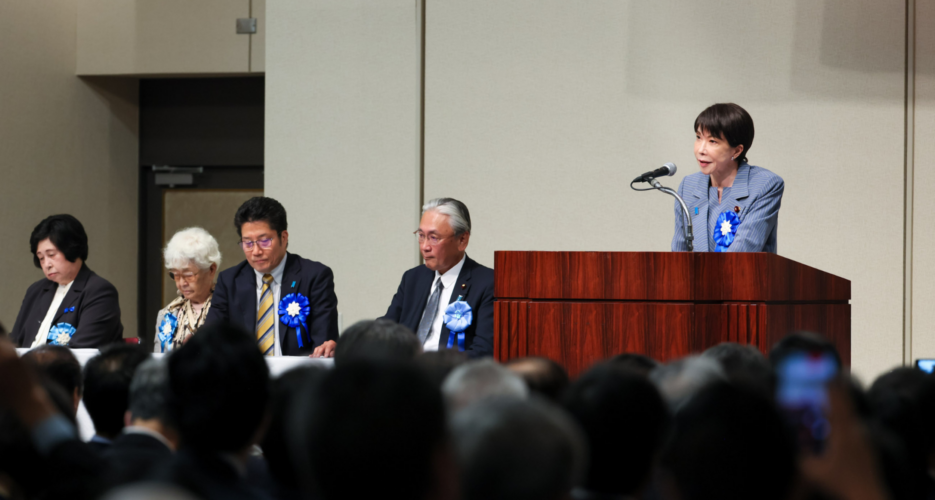
The proposed Sanae Takaichi Kim Jong Un summit has become a key topic in Japan’s efforts to resolve the long-standing issue of Japanese citizens abducted by North Korea decades ago. Prime Minister Sanae Takaichi recently reiterated her readiness to meet North Korean leader Kim Jong Un, stating that direct engagement could help move discussions forward and bring answers to affected families.
Speaking at a national gathering in Tokyo focused on the abduction issue, Takaichi emphasized that Japan must continue pursuing every available diplomatic avenue. She said the government remains committed to securing the return of all abducted Japanese nationals and achieving progress on one of the country’s most sensitive humanitarian concerns.

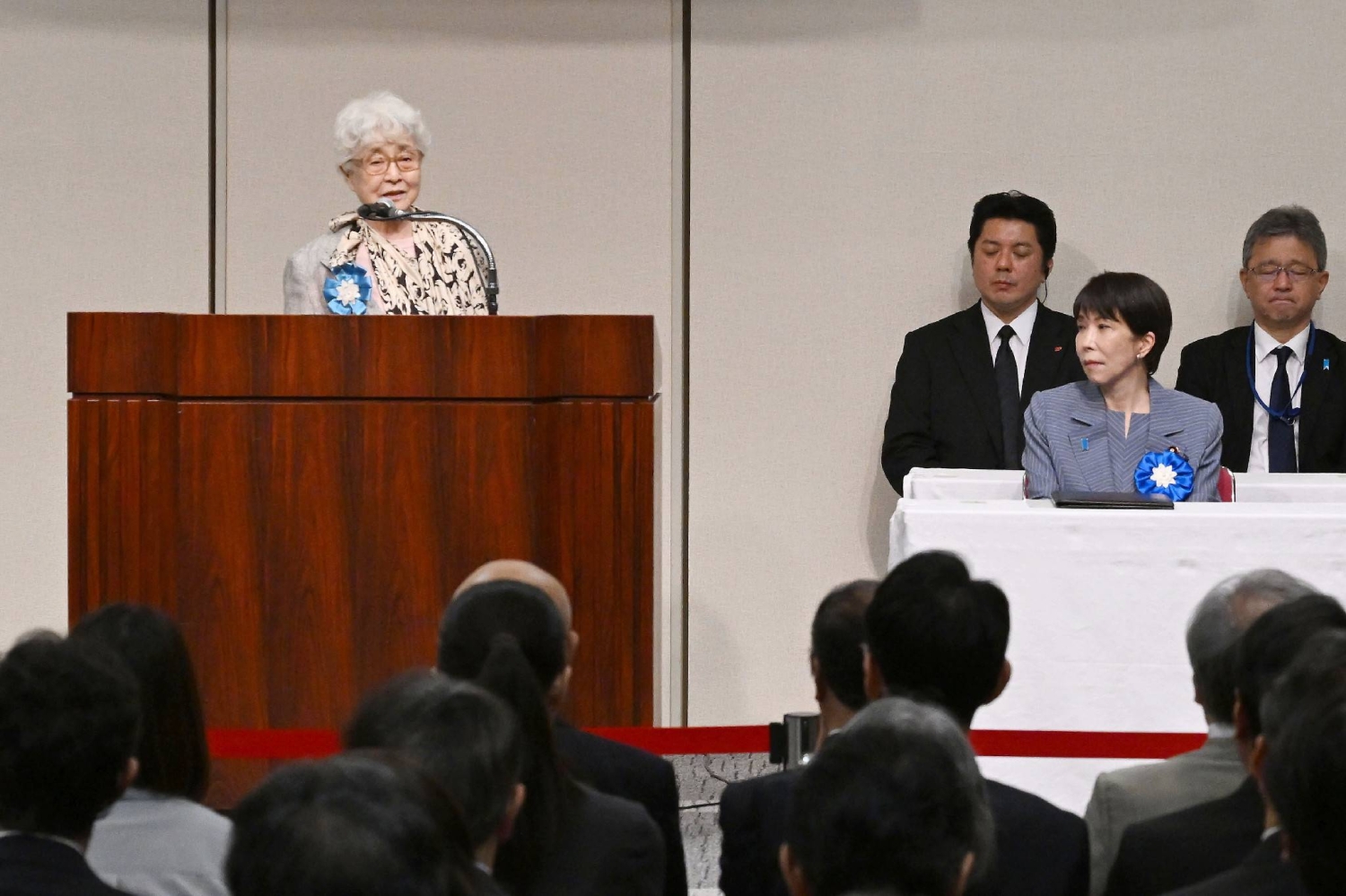
Takaichi Calls for Direct Dialogue
Prime Minister Takaichi stated that she is willing to take what she described as a courageous step toward direct talks with Kim Jong Un. According to her remarks, such a meeting would aim to break years of diplomatic deadlock and create an opportunity for meaningful progress.
The issue of Japanese citizens allegedly abducted by North Korean agents has remained unresolved for decades despite numerous diplomatic efforts and international attention.
Takaichi stressed that time is an important factor, particularly for the families of those who have waited many years for information about their loved ones.
Importance of Face-to-Face Diplomacy
Direct meetings between national leaders can sometimes help overcome barriers that lower-level negotiations fail to address.
Supporters of a potential summit argue that:
- Personal diplomacy can create new opportunities for dialogue.
- Humanitarian concerns can receive greater attention.
- Both countries may identify areas for future cooperation.
- Long-standing disputes can be discussed more openly.
Takaichi indicated that Japan remains prepared to explore diplomatic solutions while maintaining its position on the abduction issue.
A Long-Standing National Concern
The abduction issue continues to hold significant emotional and political importance in Japan.
For decades, families of missing individuals have sought answers regarding relatives believed to have been taken to North Korea during the 1970s and 1980s.
Many advocacy groups continue to organize public events and awareness campaigns, urging the government to keep the issue at the forefront of diplomatic discussions.
Japan Demands the Return of All Victims
One of the key messages from the Tokyo rally was Japan’s commitment to seeking the return of all abducted citizens.
Takaichi emphasized that the government’s efforts extend beyond individuals officially recognized as abduction victims.
The administration has repeatedly stated that unresolved cases and suspected abductions also deserve attention during any future negotiations.
Recognized and Unrecognized Cases
The Japanese government officially recognizes a number of abduction victims whose cases have been investigated and documented.
However, many families and advocacy organizations believe additional cases remain unresolved.
These include:
- Individuals suspected of being abducted but not formally recognized.
- Missing persons whose circumstances remain unclear.
- Cases requiring further investigation and verification.
Japan’s position has consistently been that all possible victims should be considered in discussions with North Korea.
Families Continue to Seek Answers
For relatives of the missing, the issue is deeply personal.
Many parents and family members have spent decades campaigning for information regarding their loved ones. As time passes, concerns continue to grow among families hoping to see progress during their lifetimes.
The government has repeatedly acknowledged these concerns and pledged continued support for affected families.
Understanding the Japan-North Korea Abduction Issue
The Japan North Korea abduction issue dates back several decades and remains one of the most complex disputes between the two countries.
Japanese authorities maintain that North Korean agents abducted multiple Japanese citizens during the 1970s and 1980s.
According to various investigations, victims were allegedly taken to North Korea for purposes that included language training and cultural education for intelligence operatives.
Historical Background
The issue gained significant international attention after North Korea acknowledged in 2002 that it had abducted Japanese citizens.
That admission marked a major turning point in relations between the two countries.
Following diplomatic discussions, several abductees were permitted to return to Japan, but many cases remained unresolved.
The question of what happened to other missing individuals continues to be a central point of disagreement.
Diplomatic Challenges Over the Years
Successive Japanese governments have attempted to address the issue through various diplomatic channels.
Efforts have included:
- Bilateral negotiations.
- International advocacy campaigns.
- Economic and diplomatic pressure measures.
- Cooperation with allies and international organizations.
Despite these initiatives, significant breakthroughs have been limited.
Potential Impact of a Sanae Takaichi Kim Jong Un Summit
A Sanae Takaichi Kim Jong Un summit could represent a major development in regional diplomacy.
Although no formal meeting has been confirmed, the possibility of direct engagement has generated discussion among analysts and observers.
A summit could potentially provide a platform to address multiple issues affecting relations between Japan and North Korea.
Humanitarian Considerations
The return of abducted citizens remains the primary humanitarian objective for Japan.
Many observers believe that direct leader-to-leader communication may create an opportunity to revisit unresolved cases and seek additional information.
For families of missing individuals, any progress would carry enormous significance.
Broader Regional Implications
Beyond the abduction issue, improved communication between Tokyo and Pyongyang could have wider implications for regional stability.
Northeast Asia remains one of the world’s most strategically important regions, involving major powers and complex security concerns.
Any diplomatic engagement between Japan and North Korea is likely to attract close attention from neighboring countries and the international community.
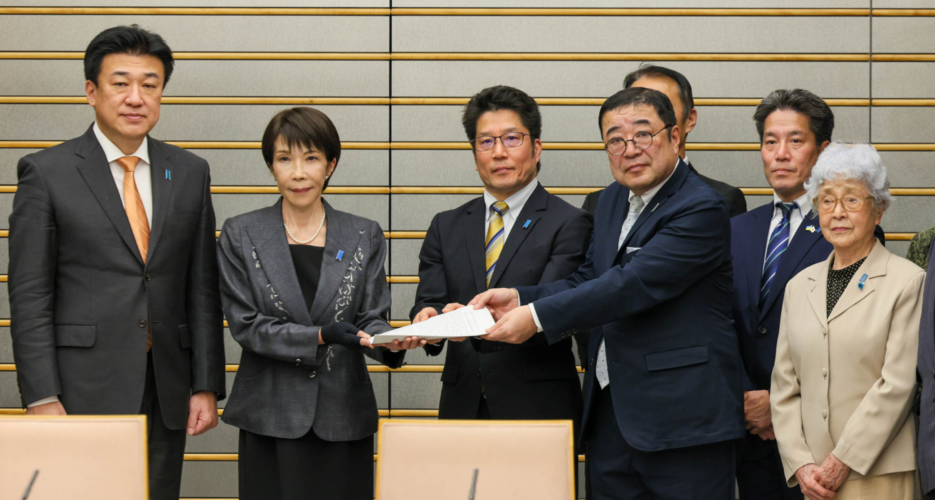

Obstacles That Remain
Despite renewed discussion of a summit, substantial challenges remain.
Key obstacles include:
- Long-standing distrust between both governments.
- Disagreements regarding historical claims.
- Security concerns in the region.
- Differing expectations about diplomatic outcomes.
These factors may complicate efforts to achieve a breakthrough.
Public Support and Political Significance
The issue continues to receive strong public attention in Japan.
National rallies and awareness campaigns frequently draw support from citizens who believe the government should maintain pressure for answers and accountability.
Political leaders across different administrations have generally treated the abduction issue as a national priority.
Takaichi’s recent remarks reinforce that commitment and signal the government’s intention to continue seeking solutions through diplomatic channels.
Why the Issue Remains Relevant Today
Several factors explain why the matter remains significant:
- Families are still seeking answers.
- Many cases remain unresolved.
- The issue affects diplomatic relations between Japan and North Korea.
- It carries humanitarian, political, and security implications.
As a result, the topic continues to influence policy discussions and international engagement efforts.
Future Prospects for Negotiations
Whether a meeting between Takaichi and Kim Jong Un ultimately takes place remains uncertain.
However, the Japanese government has made clear that it remains open to dialogue if such discussions can help advance the goal of resolving the abduction issue.
Future developments will likely depend on diplomatic conditions, political considerations, and the willingness of both sides to engage in meaningful negotiations.
For now, Japan continues to emphasize that securing information about missing citizens and pursuing the return of all victims remains a central objective.

FAQ
What is the Sanae Takaichi Kim Jong Un summit proposal?
The proposal refers to Prime Minister Sanae Takaichi’s stated willingness to meet North Korean leader Kim Jong Un directly in an effort to address the long-standing abduction issue involving Japanese citizens.
Why is the Japan North Korea abduction issue important?
The issue involves Japanese citizens believed to have been abducted by North Korean agents during the 1970s and 1980s. It remains a major humanitarian and diplomatic concern for Japan.
Has North Korea acknowledged the abductions?
North Korea acknowledged abducting Japanese citizens during diplomatic discussions in 2002, leading to the return of several individuals. However, many cases remain unresolved.
What could a Takaichi and Kim Jong Un meeting achieve?
A summit could create an opportunity for direct dialogue, potentially helping both sides discuss unresolved abduction cases and broader diplomatic issues affecting bilateral relations.
In conclusion, the possibility of a Sanae Takaichi Kim Jong Un summit highlights Japan’s continued determination to resolve the abduction issue. While significant diplomatic challenges remain, Japanese officials maintain that direct engagement may offer a pathway toward progress. Families of missing citizens continue to hope that future negotiations can provide answers and, ultimately, bring closure to one of Japan’s most enduring humanitarian concerns.
Click here for more news


