


The Russian economy oil revenue impact has become a central topic of economic debate following a new analysis suggesting that rising oil and gas income may not be enough to restore long-term economic stability. Despite a temporary surge in state revenues, structural weaknesses continue to limit meaningful recovery across key sectors of the economy.
Recent trends show that while Russia’s budget position has improved due to high global energy prices, broader economic indicators such as investment, consumption, and business confidence remain under pressure. Analysts argue that the system resembles a “dry sponge,” absorbing financial inflows without producing sustainable growth.

Rising Oil Revenues Strengthen State Budget Temporarily
Russia has recently experienced a significant increase in oil and gas revenues, driven largely by sustained global energy prices above $100 per barrel. This has provided short-term relief for government finances.
Monthly Revenue Gains and Budget Stability
According to recent estimates:
- Oil and gas revenues reached over 1 trillion rubles in a single month
- The federal budget is approaching temporary balance
- External energy conditions remain unexpectedly favorable
These factors have strengthened fiscal stability in the short term, reinforcing expectations of improved budget execution in 2026.
Global Energy Market Influence
The Russian economy oil revenue impact is closely tied to international developments, including:
- Ongoing geopolitical tensions affecting supply routes
- Uncertainty around major shipping corridors
- Reduced global oil supply expectations
These conditions have helped maintain elevated energy prices, supporting Russia’s export income.
Economic Growth Forecasts Show Mixed Signals
Despite improved state revenues, economic forecasts remain cautious and uneven.
IMF and Institutional Revisions
Recent projections indicate:
- Initial GDP contraction in early 2026
- Upward revision of annual growth forecasts to around 1%
- Mixed outlooks from financial institutions and think tanks
However, these revisions reflect external revenue improvements rather than internal economic strength.
Weak Domestic Economic Indicators
Key internal challenges include:
- Sluggish investment activity
- Declining business confidence
- Reduced consumer spending power
- Uneven sectoral performance
The Russian economy oil revenue impact appears limited in addressing these structural weaknesses.
Structural Weaknesses in the Russian Economy
Economists highlight long-term imbalances that continue to restrict growth despite strong fiscal inflows.
Shift Toward State-Driven Growth
Over time, the economy has become more dependent on state spending, especially after major geopolitical disruptions.
Key characteristics include:
- Increased reliance on federal budget support
- Expanded state influence in major industries
- Reduced foreign investment participation
Declining Private Sector Activity
The private sector has faced mounting pressure due to:
- Higher tax burdens
- Regulatory restrictions
- Reduced access to international markets
- Rising operational uncertainty
These factors weaken the effectiveness of oil-driven revenue gains.
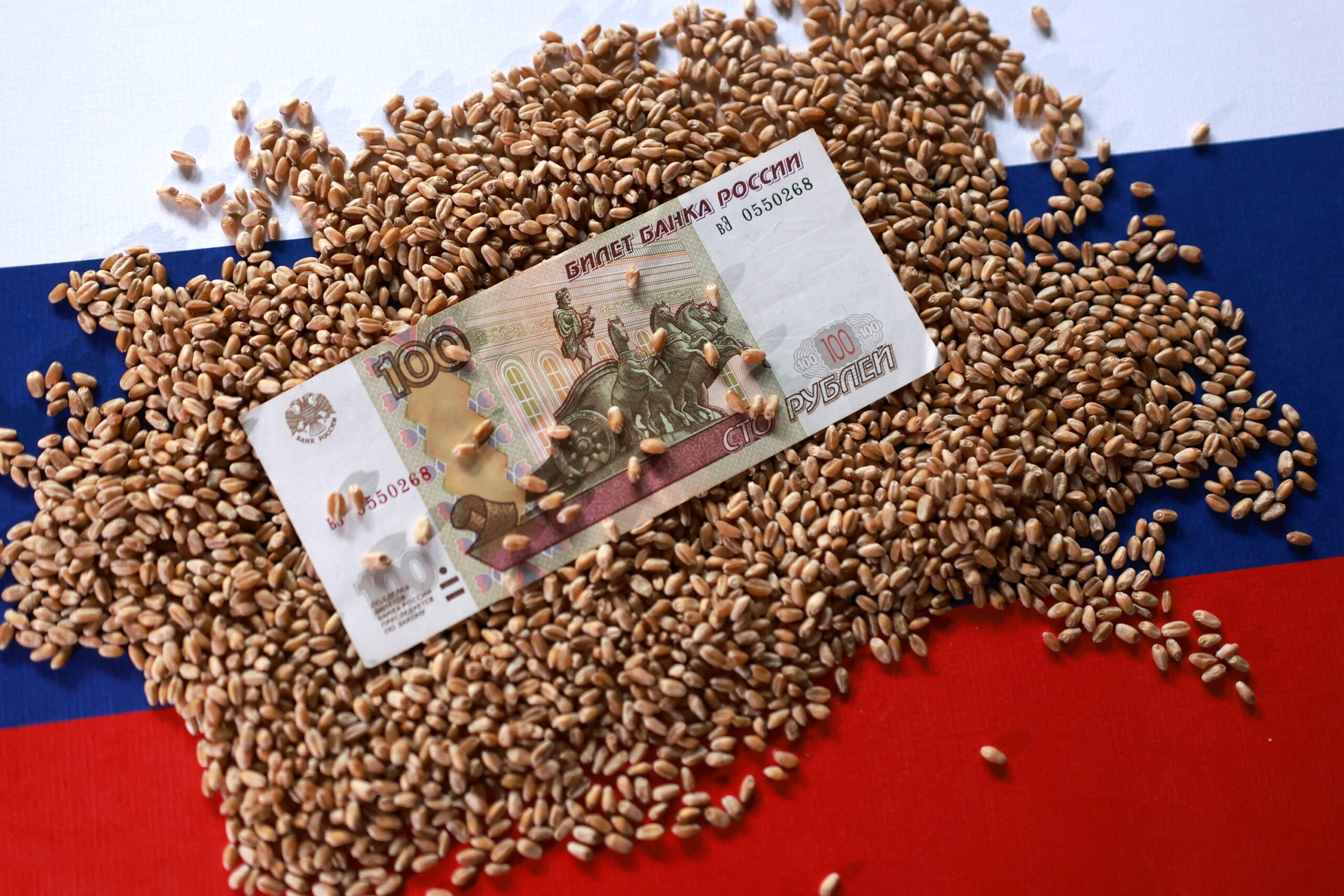

Fiscal Expansion and Its Limitations
Government spending has increased significantly in recent years, but its impact on long-term growth remains limited.
Rising Budget Expenditures
Recent data shows:
- Sharp increase in federal spending since 2021
- Large cumulative budget deficits over recent years
- Increased state borrowing and financial intervention
Why Spending Has Limited Impact
Despite expansion, economic growth remains constrained due to:
- Inefficient allocation of resources
- Focus on non-productive sectors
- Limited multiplier effects in the civilian economy
The Russian economy oil revenue impact is therefore absorbed into financial stabilization rather than expansion.
Corporate and Household Financial Pressure
One of the most important challenges is the growing financial strain on businesses and households.
Rising Corporate Debt Levels
Companies face:
- High levels of outstanding debt
- Increased reliance on bank financing
- Pressure to prioritize debt repayment over investment
Household Financial Behavior
Consumers are showing cautious financial behavior:
- Higher savings rates
- Preference for bank deposits
- Reduced discretionary spending
These patterns limit domestic demand growth even when oil revenues increase.
Why Oil Windfalls Fail to Stimulate Real Growth
Despite strong external income, economic transmission into productive sectors remains weak.
Financial Circulation Bottlenecks
New revenues tend to circulate in limited cycles:
- Government absorbs oil income
- Funds used for budget balancing
- Businesses repay existing loans
- Banks hold deposits or invest in bonds
Weak Investment Conversion
Instead of fueling expansion, revenues often result in:
- Debt reduction rather than new projects
- Financial stabilization instead of growth
- Limited capital investment increases
This weakens the overall Russian economy oil revenue impact.
Business Confidence and Economic Sentiment Decline
Sentiment indicators suggest continued caution across both businesses and consumers.
Declining Confidence Levels
Recent trends show:
- Multi-year lows in business optimism
- Reduced willingness to expand operations
- Increased risk aversion among entrepreneurs
Policy and Regulatory Pressure
Factors affecting sentiment include:
- Higher taxation policies
- Regulatory tightening in key sectors
- Restrictions affecting digital and service industries
- Increased operational uncertainty
Short-Term Relief vs Long-Term Challenges
Experts argue that current improvements in revenue do not resolve deeper economic challenges.
Temporary Stability from Oil Income
Short-term benefits include:
- Budget deficit reduction
- Improved fiscal planning
- Stabilized government finances
Persistent Structural Risks
Long-term issues remain:
- Heavy dependence on energy exports
- Weak diversification of the economy
- Limited private sector expansion
- Reduced foreign investment participation
Future Outlook for Russia’s Economy
The outlook remains uncertain, with both risks and limited recovery opportunities.
Possible Short-Term Stabilization
If conditions remain stable, analysts expect:
- Gradual normalization of financial flows
- Temporary improvement in liquidity
- Slight recovery in business activity
Long-Term Stagnation Risks
However, challenges persist:
- Weak investment climate
- External market volatility
- Structural economic inefficiencies
- Dependence on geopolitical developments
The Russian economy oil revenue impact is therefore unlikely to trigger sustained transformation without broader reforms.
Frequently Asked Questions (FAQ)
How does oil revenue affect the Russian economy?
Oil revenue improves state budget stability but has limited impact on long-term economic growth due to structural inefficiencies.
Why is Russia’s economy called a “dry sponge”?
It refers to the economy absorbing financial inflows without generating proportional productive growth.
Can high oil prices fix Russia’s economic problems?
High oil prices provide temporary relief but do not resolve issues like low investment and weak private sector growth.
What are the main risks for Russia’s economy in 2026?
Key risks include declining business confidence, heavy reliance on energy exports, and persistent structural imbalances.
Conclusion
The Russian economy oil revenue impact shows that while rising energy prices can temporarily stabilize government finances, they are insufficient to drive broad-based economic recovery. Structural weaknesses, cautious consumer behavior, and limited investment activity continue to restrain growth.
Without deeper economic reforms and improved business confidence, the economy is likely to remain in a prolonged period of stagnation, where short-term revenue gains mask longer-term challenges.
Click here for more news


