



Russia ship-to-ship oil transfers sanctions 2026 have increased significantly as Moscow adapts to restrictions and harsh winter conditions, raising concerns about environmental risks and regulatory oversight.

Surge in Ship-to-Ship Oil Transfers
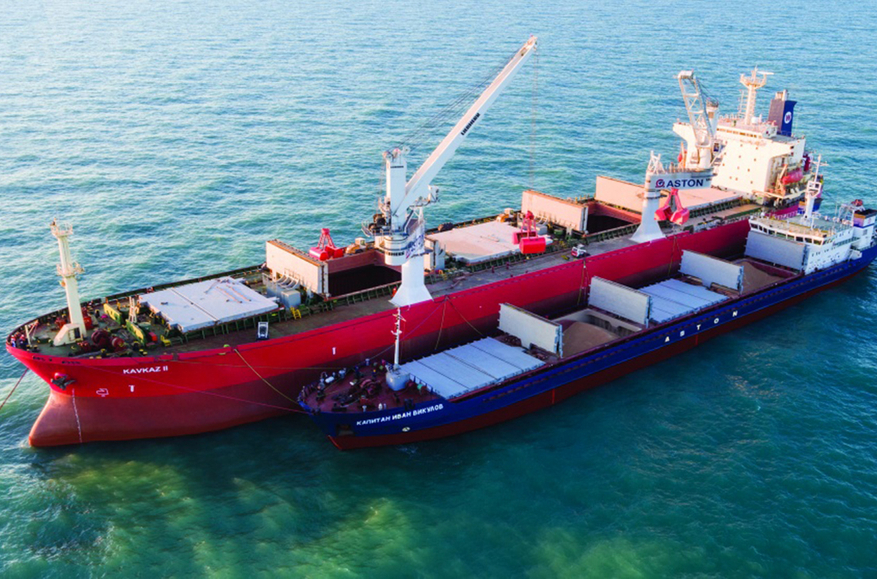
Recent data indicates that Russia has expanded the use of offshore ship-to-ship (STS) oil transfers to maintain exports despite sanctions.
These operations involve:
- Moving petroleum products between vessels at sea
- Using smaller or ice-class tankers for initial transport
- Transferring cargo to larger ships for long-distance delivery
Why Russia Is Increasing STS Transfers
Several factors are driving the trend:
- Western sanctions limiting direct shipping routes
- Shortage of suitable tankers
- Need to maintain export volumes
According to market data from London Stock Exchange Group, the volume of such transfers has risen in early 2026.
Impact of Sanctions on Oil Logistics
The Russia ship-to-ship oil transfers sanctions 2026 trend is closely tied to international restrictions imposed on Russian energy exports.
Shift in Export Destinations
After the European Union embargo in 2023:
- Asian countries became primary buyers
- Shipping routes grew longer and more complex
- Alternative logistics strategies were required
Role of the “Shadow Fleet”
Experts have pointed to the increasing use of:
- Older or less regulated vessels
- Complex ownership structures
- Indirect shipping routes to obscure origin
These methods are often associated with efforts to bypass sanctions.

Harsh Winter Conditions Add Pressure
Severe cold weather in early 2026 has compounded logistical challenges.
Baltic Sea Restrictions
Authorities introduced stricter rules in the Baltic Sea:
- Only ice-class tankers allowed access to certain ports
- Mandatory icebreaker escorts for some vessels
- Increased operational costs and delays
Effect on Shipping Operations
- Reduced number of available ships
- Slower turnaround times
- Greater reliance on offshore transfers
These factors have accelerated the adoption of STS operations.
Key Locations of Recent Transfers
The Russia ship-to-ship oil transfers sanctions 2026 operations have taken place across multiple international waters.
Notable Transfer Points
- Off Port Said
- Near Togo coastline
- Offshore areas near Morocco
- Close to Augusta
Cargo Volumes
- January: Around 240,000 tons of naphtha transferred
- February: Over 200,000 tons in offshore operations
- March: Additional shipments scheduled for transfer
These figures illustrate the scale of the logistical shift.
Rising Environmental and Safety Risks
Experts warn that the increased use of STS transfers poses significant risks.
Key Concerns
- Higher likelihood of oil spills
- Increased risk of ship collisions
- Potential harm to marine ecosystems
Expert Analysis
Isaac Levi from the Centre for Research on Energy and Clean Air highlighted that:
- Operations are occurring more frequently
- Transfers are happening in harsher weather
- Oversight is becoming weaker
These conditions increase the probability of accidents.
Historical Warnings and Policy Discussions
The risks associated with offshore transfers are not new.
Previous Government Considerations
In 2020, Russia’s Natural Resources Ministry proposed restrictions on such operations.
- The proposal was submitted to Vladimir Putin
- Concerns focused on environmental damage
- Large tanker incidents were identified as high-risk
Past Incident Data
Officials cited:
- Hundreds of emergency incidents in the Black Sea
- Cases involving oil spills and marine life damage
- Risks linked to chemical releases
These historical concerns remain relevant today.
Economic Implications of the Strategy
The Russia ship-to-ship oil transfers sanctions 2026 approach allows continued exports but comes with trade-offs.
Benefits for Russia
- Maintains flow of petroleum products
- Adapts to sanctions constraints
- Supports revenue generation
Associated Costs
- Increased logistical complexity
- Higher insurance and operational risks
- Potential legal exposure
This balance reflects the challenges of operating under sanctions.
Global Market Impact
The rise in STS transfers has implications beyond Russia.
Effects on Oil Markets
- Increased volatility in supply chains
- Greater uncertainty in shipping routes
- Influence on global oil prices
Regulatory Challenges
- Difficulty tracking origin of shipments
- Reduced transparency in trade flows
- Challenges for enforcement agencies
These factors complicate global energy governance.
FAQ Section
What are ship-to-ship oil transfers?
They involve transferring oil between vessels at sea, often used to manage logistics or obscure cargo origins.
Why is Russia increasing ship-to-ship transfers in 2026?
Sanctions, tanker shortages, and harsh weather conditions have made this method more necessary.
What are the risks of ship-to-ship oil transfers?
They include environmental hazards such as oil spills, as well as safety risks like collisions.
Where are these transfers taking place?
Recent operations have occurred near Port Said, Togo, Morocco, and parts of the Mediterranean.
Conclusion
The Russia ship-to-ship oil transfers sanctions 2026 trend reflects a significant shift in global energy logistics under pressure from sanctions and environmental conditions. While the strategy allows continued exports, it also introduces heightened risks that could have lasting environmental, economic, and regulatory consequences.
PLEASE CLICK HERE FOR MORE NEWS


