 0
0
 0
0
Russia Sahel juntas alliances 2026 are redefining the political and security landscape across West Africa, particularly in Mali, Burkina Faso, and Niger, where military governments have taken control and shifted away from Western partnerships.
This transformation reflects a broader geopolitical realignment marked by increased cooperation with Moscow, growing insecurity, and significant economic and political consequences for the region.

Russia Sahel Juntas Alliances 2026 and Regional Power Shift
The emergence of military juntas in the Sahel has reshaped governance structures and alliances across the region.
Mali, Burkina Faso, and Niger are now led by military figures who came to power through coups over the past five years. These leaders have moved away from democratic systems and embraced centralized authority.
Rise of Military Leadership in the Sahel
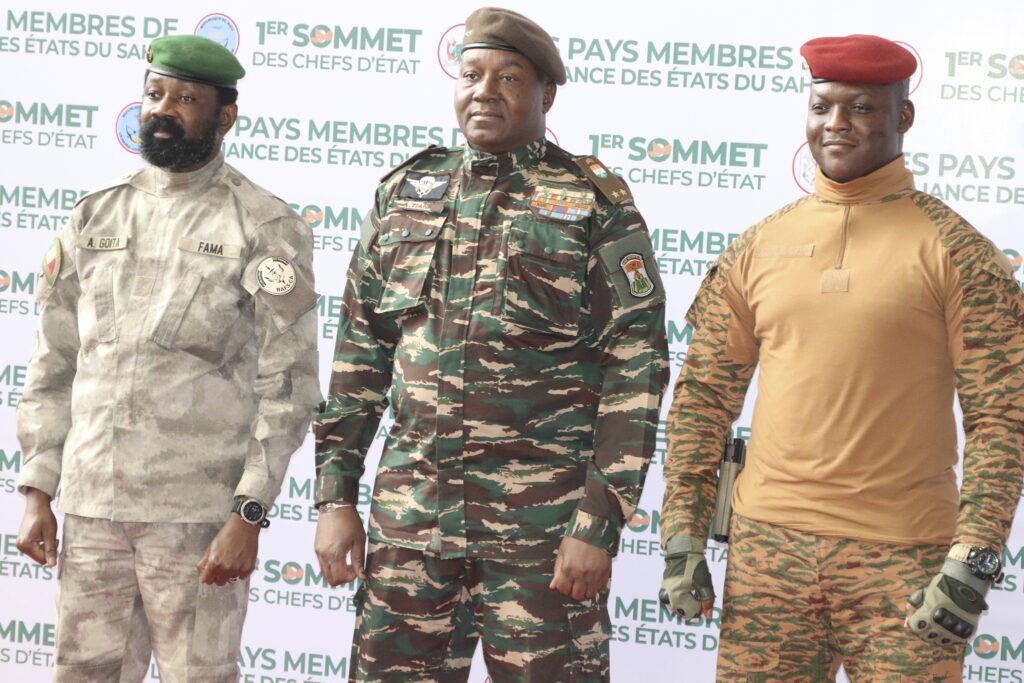
The three key leaders driving this shift include:
- Colonel Assimi Goita in Mali
- Captain Ibrahim Traore in Burkina Faso
- General Abdourahamane Tchiani in Niger
Despite their current anti-Western stance, all three previously worked closely with Western military programs.
From Western Training to Strategic Realignment
Each leader had extensive exposure to:
- U.S. military cooperation initiatives
- European Union training missions
- French-led counterterrorism operations
However, their governments have now pivoted toward Russia, marking a significant geopolitical shift under the Russia Sahel juntas alliances 2026 framework.
Break from ECOWAS and Formation of New Bloc
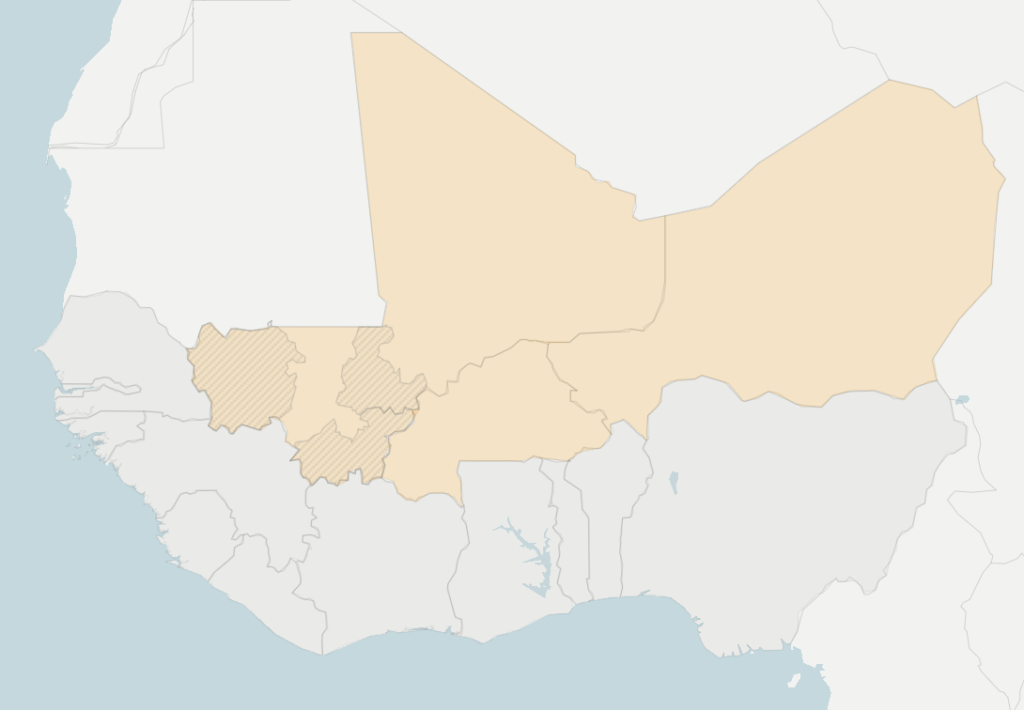
A defining moment in the Russia Sahel juntas alliances 2026 trend was the withdrawal of the three countries from the Economic Community of West African States (ECOWAS) in 2024.
This decision followed escalating tensions after a coup in Niger and threats of military intervention by regional powers.
Creation of the Alliance of Sahel States
The three nations formed a new bloc known as the Alliance of Sahel States (AES), aiming to:
- Assert sovereignty
- Reduce foreign influence
- Build a unified regional strategy
The alliance represents a clear departure from traditional West African cooperation frameworks.
Economic Consequences of the Exit
Leaving ECOWAS has had serious economic implications:
- Loss of access to regional markets
- Restrictions on free movement of goods and people
- Rising inflation and shortages
These challenges have intensified the difficulties faced by already fragile economies.
Russia Sahel Juntas Alliances 2026 Strengthen Moscow’s Influence
With the withdrawal of Western forces, Russia has stepped in to fill the security and political vacuum in the Sahel.
Expansion of Russian Security Presence
Russia’s involvement includes:
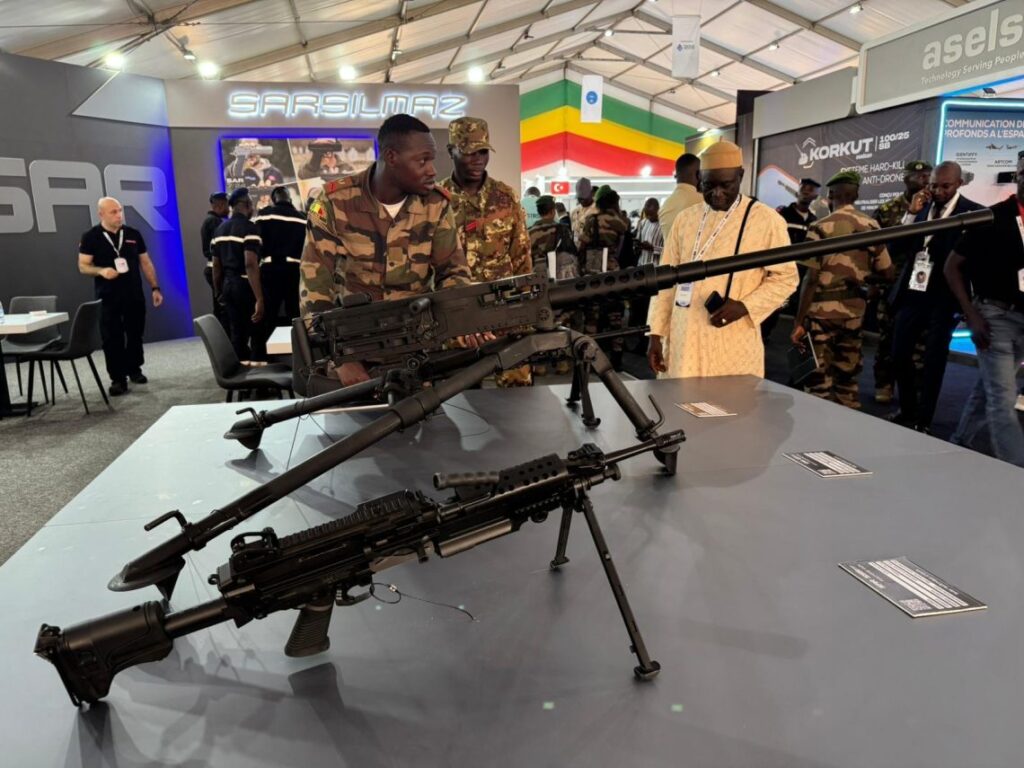
- Deployment of private military contractors
- Security cooperation agreements
- Military training and logistical support
This growing presence has made the region strategically important for Moscow, especially in the context of global sanctions.
Key Agreements and Strategic Cooperation
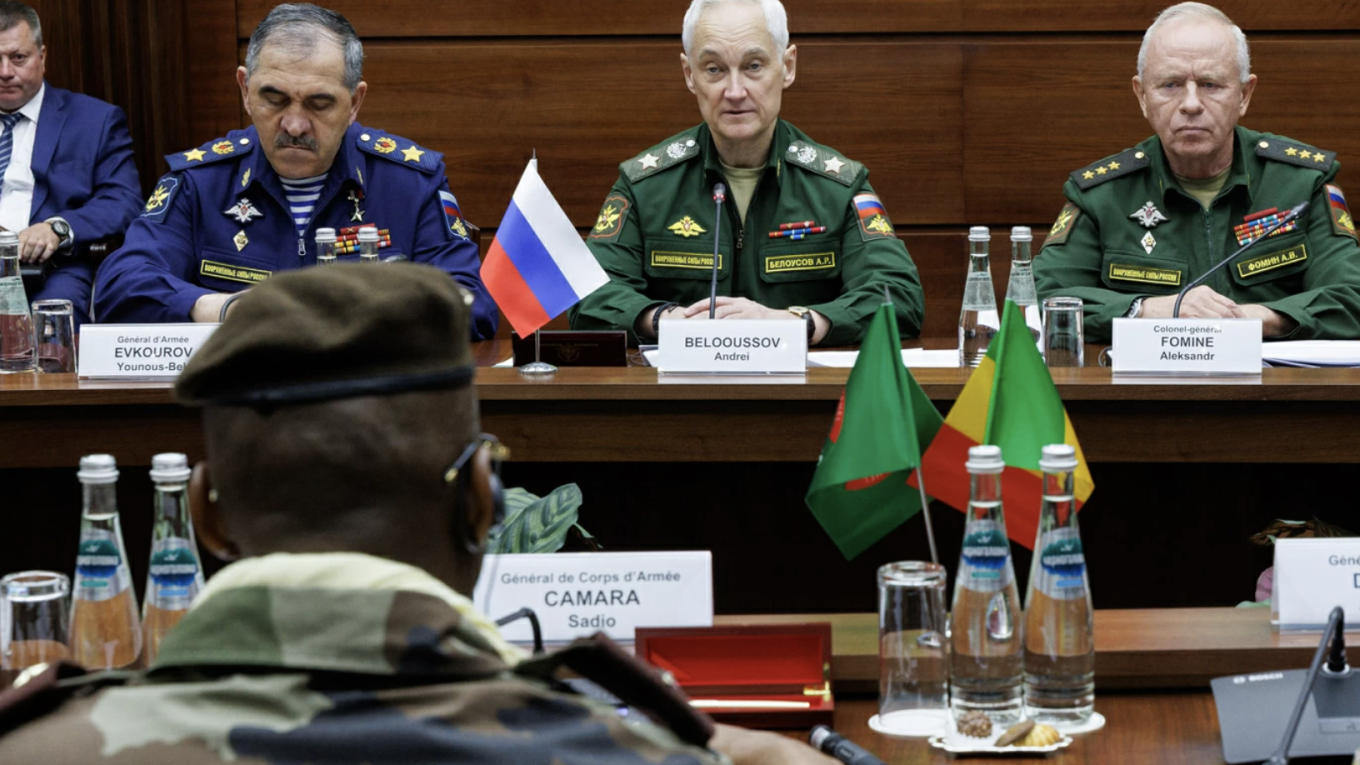
In 2025, Mali and Russia signed multiple agreements covering:
- Economic and technical collaboration
- Development of civil nuclear energy
- Expanded security partnerships
These agreements highlight the depth of Russia Sahel juntas alliances 2026 and their long-term implications.
Withdrawal of Western Forces Alters Security Landscape
The departure of Western military forces has significantly impacted the region’s ability to combat insurgency.
End of Major Western Operations
Key developments include:
- France withdrawing from Mali, Burkina Faso, and Niger
- The United Nations ending its mission in Mali
- The United States closing its drone base in Niger
This has left a gap in intelligence, logistics, and counterterrorism operations.
Impact on Counterterrorism Efforts
Without Western support, local forces face challenges such as:
- Limited resources and coordination
- Increased reliance on external partners
- Difficulty controlling vast rural territories
These factors contribute to ongoing instability under the Russia Sahel juntas alliances 2026 scenario.
Rising Violence and Jihadist Expansion
The Sahel remains one of the most violent regions globally, with militant groups expanding their reach.
Persistent Threat from Armed Groups
Groups linked to extremist ideologies continue to:
- Launch attacks on civilians and military targets
- Control rural areas
- Disrupt trade routes
This has made it difficult for juntas to establish full territorial control.
Human Rights Concerns and Crackdowns
Reports indicate:
- Crackdowns on media and opposition voices
- Allegations of abuses by security forces and allied groups
- Restrictions on press freedom
These developments raise concerns about governance and human rights.
Russia Sahel Juntas Alliances 2026 and Media Control
Information control has become a key aspect of governance in the region.
Restrictions on Independent Media
Authorities have taken steps such as:
- Banning international publications
- Limiting press access
- Promoting state-aligned narratives
This approach supports the political objectives of the juntas.
Role of State Media and Messaging
The AES has introduced initiatives like:
- A joint television channel
- Coordinated messaging across member states
These efforts aim to shape public perception and strengthen political legitimacy.
Future Scenarios for the Sahel Region
The trajectory of Russia Sahel juntas alliances 2026 could follow different paths depending on political and security developments.
Likely Scenario: Increased Instability
In the more probable outcome:
- Violence remains high
- Jihadist groups expand influence
- Economies struggle under isolation
The juntas may consolidate power but face ongoing governance challenges.
Less Likely Scenario: Regional Stabilization
In a more optimistic scenario:
- The AES becomes economically viable
- Security cooperation improves
- External partnerships diversify
However, this would require significant improvements in coordination and governance.
FAQ
What are Russia Sahel juntas alliances 2026?
They refer to the growing political and military cooperation between Sahel military governments and Russia, reshaping regional alliances.
Why did Sahel countries leave ECOWAS?
They cited disagreements over foreign influence and opposition to military intervention following political coups.
How has Russia influenced the Sahel region?
Russia has provided military support, security partnerships, and economic cooperation to junta-led governments.
What are the main challenges facing the Sahel today?
Key challenges include rising violence, economic instability, weak governance, and limited territorial control.
Conclusion
The Russia Sahel juntas alliances 2026 trend represents a major shift in West Africa’s geopolitical landscape. As Mali, Burkina Faso, and Niger deepen ties with Russia and distance themselves from Western partners, the region faces a complex mix of security challenges, economic pressures, and political transformation. While the new alliances offer alternative pathways for cooperation, the long-term outcomes remain uncertain, with stability and development still difficult to achieve.
PLEASE CLICK HERE FOR MORE NEWS