


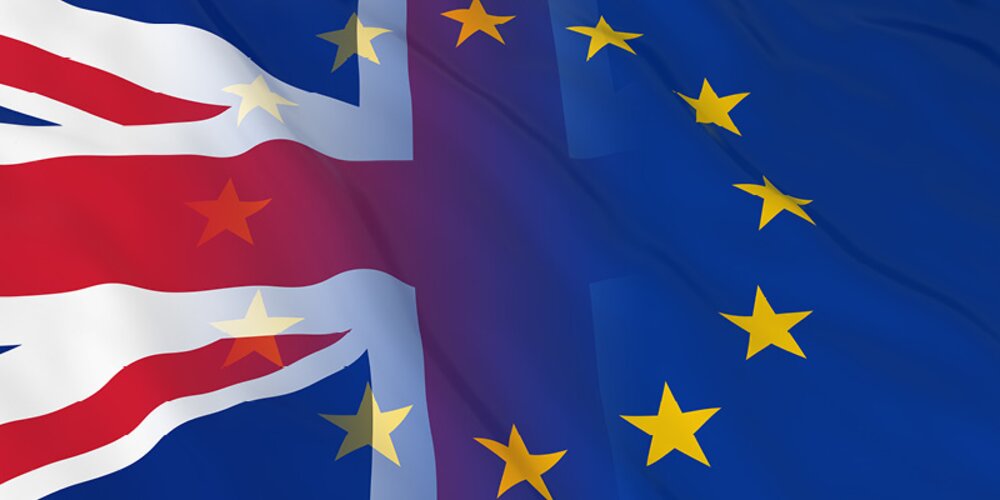
The Russia blacklists EU officials after sanctions move signals a fresh escalation in tensions between Moscow and the European Union following the bloc’s latest round of restrictive measures.
Russia Expands Blacklist in Direct Response
Russia confirmed that it has expanded its blacklist to include multiple European officials shortly after the European Union introduced its 20th sanctions package. The Foreign Ministry stated that the individuals targeted were linked to actions and policies viewed as hostile toward Russia.
According to the statement, those affected were involved in:
- Promoting anti-Russian policies
- Supporting military assistance to Ukraine
- Undermining Russia’s diplomatic relations
- Restricting Russian maritime operations
This Russia blacklists EU officials after sanctions development reflects an ongoing pattern of reciprocal measures between both sides.

Categories of Individuals Targeted
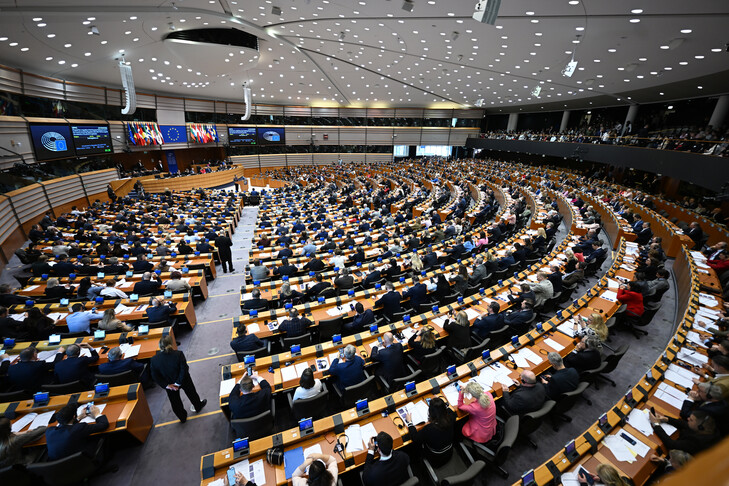
The blacklist reportedly spans a wide range of individuals across European institutions and national governments, including:
- Senior government officials involved in foreign and defense policy
- Members of EU national parliaments
- Representatives of the European Parliament
- Civil activists and academic figures
Authorities indicated that these individuals were selected due to their roles in shaping or supporting policies seen as unfavorable to Russia.
Focus on Policy Influence and Legal Actions
Russian officials also pointed to specific actions that contributed to the decision, including:
- Advocacy for tribunals targeting Russian leadership
- Calls for the seizure of Russian assets or profits
- Legislative support for sanctions and legal restrictions
These factors played a key role in shaping the Russia blacklists EU officials after sanctions response.

EU’s 20th Sanctions Package Overview
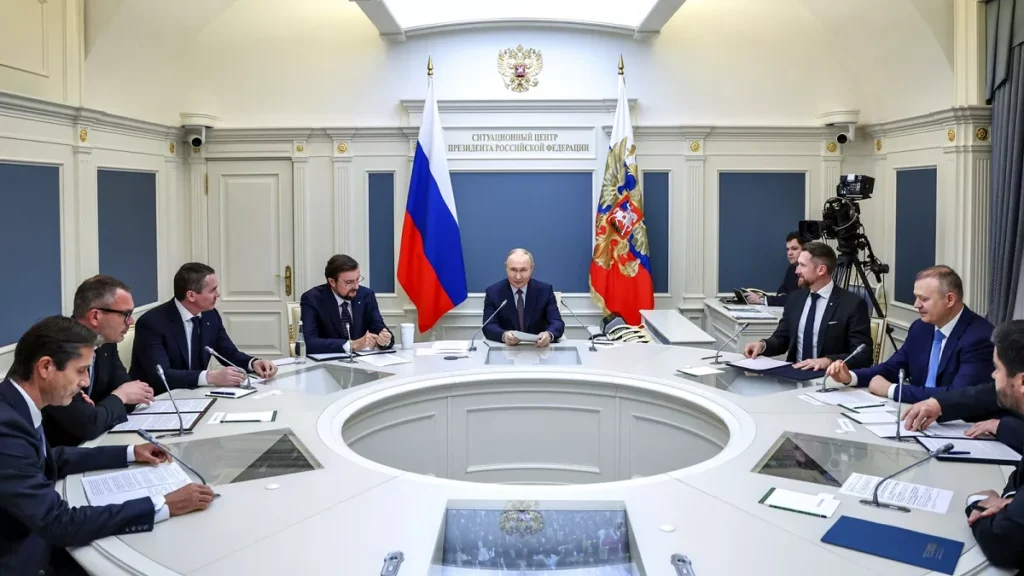
The Russia blacklists EU officials after sanctions decision comes days after the European Union formally adopted its 20th sanctions package on April 23, 2026. The package is considered one of the most extensive introduced in recent years.
Key Measures Introduced
The EU’s latest sanctions include several major actions:
- 120 new designations targeting individuals and entities
- Restrictions on the energy sector and military-industrial complex
- Financial measures affecting banking and cryptocurrency services
In addition, the EU implemented:
- Transaction bans on 20 Russian banks
- Service restrictions for Russian LNG tankers and icebreakers
- Sanctions on 46 additional vessels linked to a “shadow fleet”
This brings the total number of affected vessels to 632.
Strategic Sectors Under Pressure
The sanctions are designed to apply pressure on critical sectors of the Russian economy, such as:
- Energy exports, especially liquefied natural gas (LNG)
- Financial systems and cross-border transactions
- Defense production and supply networks
By targeting these areas, the EU aims to limit operational capacity and economic resilience.
Russia’s Position on the Sanctions
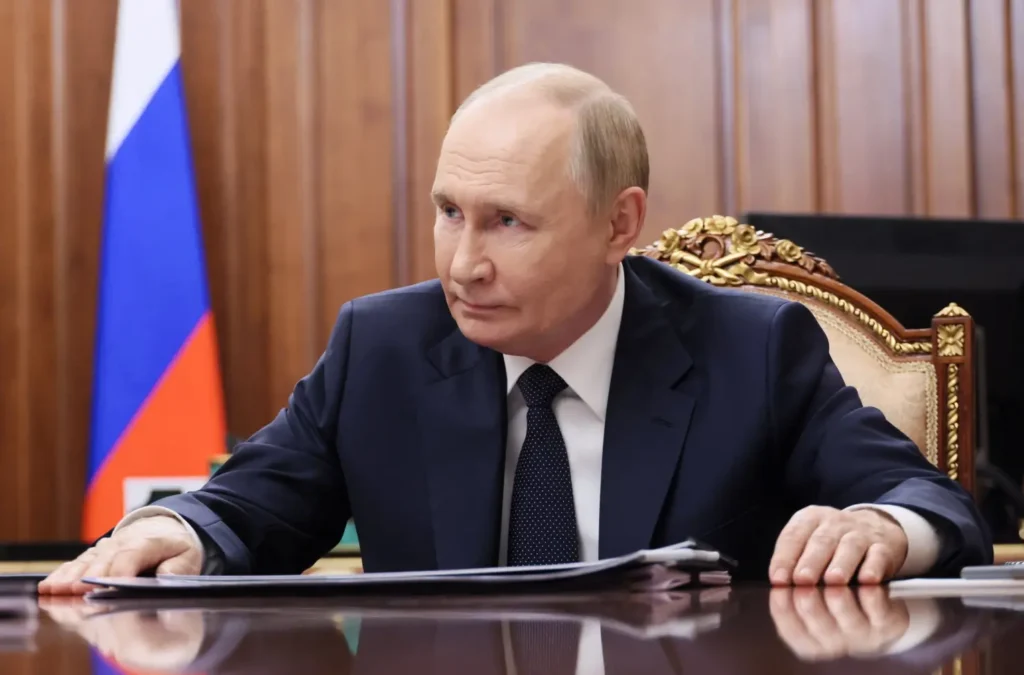
In its official response, Russia maintained that the EU’s actions would not alter its strategic direction. The Foreign Ministry emphasized that the country remains focused on protecting its national interests.
Key Statements from Officials
Russian authorities highlighted several core positions:
- The country will continue to defend its sovereignty
- External sanctions will not influence long-term policy decisions
- Russia remains committed to a multipolar global order
The Russia blacklists EU officials after sanctions move was described as a necessary and proportionate response.
View on Global Relations
Officials also noted that attempts to isolate Russia through sanctions would not succeed in reshaping its international partnerships. Instead, the country aims to strengthen ties in other regions while maintaining its strategic priorities.

Ongoing EU-Russia Tensions
The Russia blacklists EU officials after sanctions action is part of a broader pattern of escalating measures between both sides.
Cycle of Sanctions and Countermeasures
In recent years, EU-Russia relations have followed a recurring cycle:
- The EU introduces sanctions targeting key sectors or individuals
- Russia responds with countermeasures such as blacklists
- Both sides expand restrictions over time
This cycle has contributed to a steady increase in diplomatic and economic tensions.
Global Impact of the Dispute
The ongoing exchange of sanctions affects multiple areas beyond Europe, including:
- International trade and investment flows
- Energy supply and pricing across global markets
- Diplomatic relations among major global powers
These developments continue to shape the broader geopolitical landscape.
Potential Implications of the Latest Moves
The Russia blacklists EU officials after sanctions decision could have several immediate and long-term effects.
Political Consequences
- Reduced engagement between Russian and EU officials
- Increased divisions in international organizations
- Limited cooperation on global challenges
Economic Effects
- Disruptions in financial transactions and banking operations
- Increased uncertainty in energy markets
- Rising operational costs for international businesses
Future Outlook
With both sides maintaining firm positions, further sanctions or countermeasures remain possible. The situation continues to evolve, with potential implications for global stability and economic conditions.
FAQ
Why did Russia blacklist EU officials after sanctions?
Russia implemented the blacklist as a response to the EU’s 20th sanctions package, targeting individuals linked to policies seen as hostile.
What does the EU’s latest sanctions package include?
The package includes 120 new designations, banking restrictions, energy sector measures, and sanctions on vessels linked to Russian operations.
Who is affected by Russia’s blacklist?
The blacklist includes European officials, lawmakers, activists, and academics involved in policy decisions or actions related to sanctions.
How could this impact global markets?
Sanctions and countermeasures can influence energy prices, financial systems, and international trade flows.
Conclusion
The Russia blacklists EU officials after sanctions development underscores the ongoing strain between Moscow and the European Union. As both sides continue to respond with new measures, the situation reflects a broader geopolitical divide with far-reaching consequences for diplomacy, trade, and global stability.
PLEASE CLICK HERE FOR MORE NEWS


