


The Russia Baltic states warning has drawn renewed attention after Poland’s Foreign Intelligence Agency said it is assessing scenarios in which Russia could use unmarked troops to stage provocations against NATO’s Baltic members.
Speaking in an interview with Polish newspaper Rzeczpospolita, the agency’s head, Colonel Paweł Szota, said Poland considers the possibility of hybrid operations similar to those carried out during Russia’s annexation of Crimea in 2014.

Poland Highlights Potential Hybrid Threat
According to Szota, Poland views Russia as the country’s primary military threat, arguing that Moscow continues to test NATO’s resolve through increasingly bold actions.
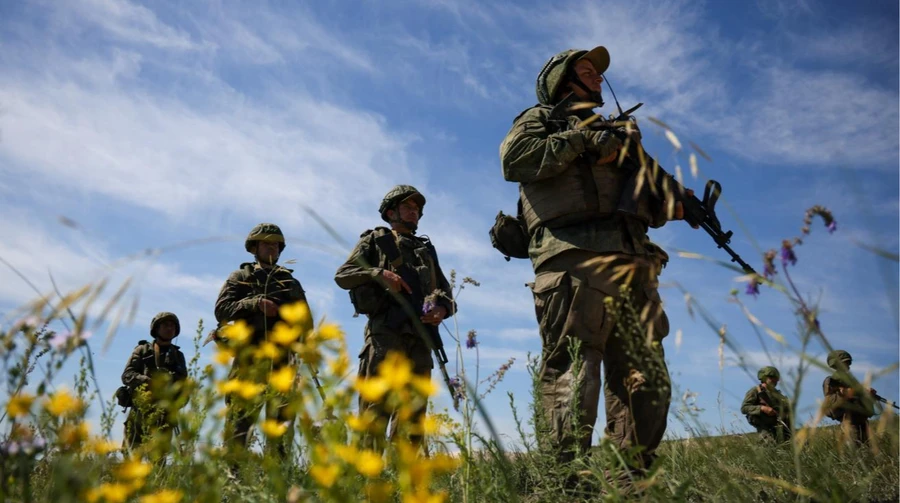
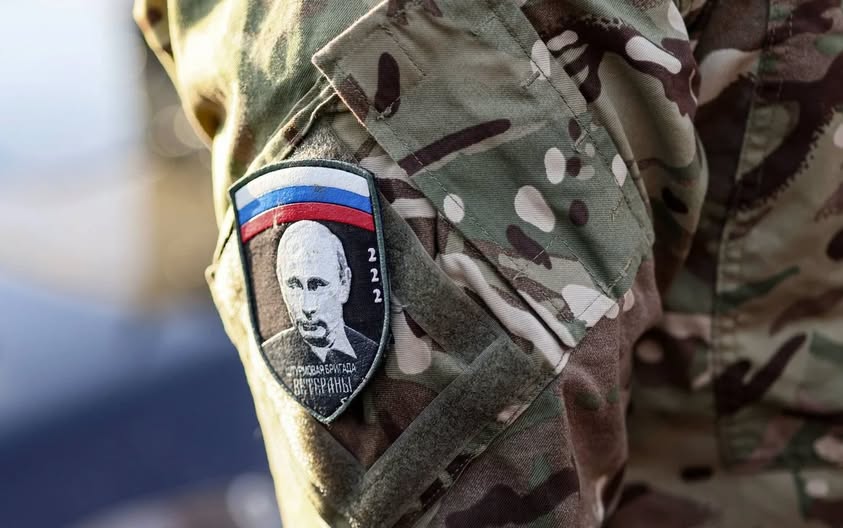
He warned that Russia could employ troops without national insignia—often referred to as “little green men”—to create instability in the Baltic region while attempting to deny direct involvement.
Reference to the 2014 Crimea Tactics
The Russia Baltic states warning is based on tactics used during Russia’s 2014 seizure of Crimea, when armed personnel without official insignia took control of key facilities before Moscow formally acknowledged its involvement.
Security analysts believe similar operations could be designed to test NATO’s collective defence commitments under Article 5.
NATO’s Eastern Flank Remains on Alert
Polish intelligence said Russia has repeatedly tested NATO’s response by gradually increasing pressure along the alliance’s eastern border.
Szota argued that limited political responses to previous incidents have encouraged further escalation, making continued vigilance essential.

Concerns Over Belarus
The intelligence chief also pointed to Russia’s growing military cooperation with Belarus.
He said Belarus now hosts infrastructure capable of supporting advanced missile systems, while joint military exercises involving nuclear-capable assets have increased regional security concerns.
Russia’s War in Ukraine Shapes Security Outlook
The Russia Baltic states warning comes as Russia’s ongoing war in Ukraine continues to influence NATO’s strategic planning.
Szota suggested that President Vladimir Putin may seek additional forms of pressure if the conflict in Ukraine remains unresolved, arguing that Moscow is prepared to sustain the war despite economic challenges.
He also stated that Poland is strengthening its intelligence capabilities, including cyber operations, to respond to potential hybrid threats.
NATO Reinforces Regional Defence
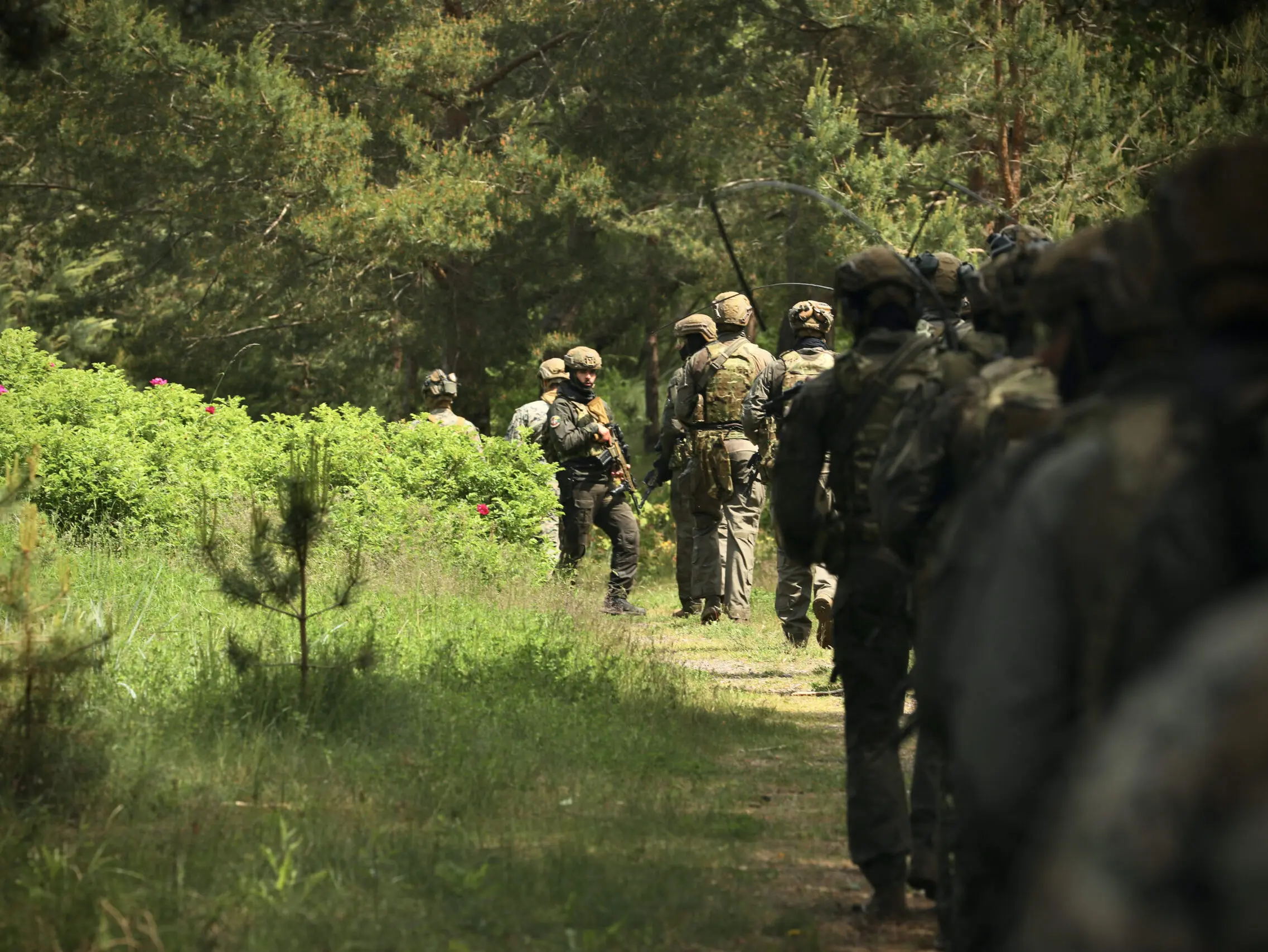
Several NATO members have already increased military deployments across Eastern Europe in response to heightened regional tensions.
Alliance officials have also discussed plans to improve rapid reinforcement capabilities for the Baltic states should security conditions deteriorate.
Hybrid Threats Continue to Concern Allies
The Russia Baltic states warning follows repeated alerts from NATO governments regarding cyberattacks, electronic warfare, disinformation campaigns and other forms of hybrid activity.
Recent reports have also highlighted incidents involving electronic interference affecting aircraft and drones operating near NATO territory.
While officials continue to monitor the situation closely, no evidence has been presented indicating that such an operation is currently underway.

What Happens Next?
Poland and its NATO allies are expected to continue reviewing defence plans while monitoring military developments across Eastern Europe.
The alliance has repeatedly stated that it remains committed to defending all member states under Article 5, while intelligence agencies continue assessing potential risks posed by hybrid warfare.
Frequently Asked Questions
What is the Russia Baltic states warning?
The Russia Baltic states warning refers to concerns raised by Poland’s Foreign Intelligence Agency that Russia could use unmarked troops in potential hybrid operations targeting NATO’s Baltic members.
What are “little green men”?
The term describes armed personnel without military insignia who appeared during Russia’s 2014 annexation of Crimea, allowing Moscow to initially deny direct involvement.
Why are NATO countries concerned?
Officials believe hybrid tactics, including cyberattacks, electronic warfare and covert operations, could be used to test NATO’s collective defence commitments.
Has Russia announced plans to target the Baltic states?
No. The warning reflects an intelligence assessment of possible future scenarios rather than confirmation of an imminent operation.
Conclusion
The Russia Baltic states warning highlights growing concerns among NATO members over the possibility of future hybrid operations in Eastern Europe. While Polish intelligence has urged continued preparedness, officials have stressed that the assessment is based on contingency planning rather than evidence of an imminent attack. As regional tensions persist, NATO is expected to maintain close coordination and strengthen its defensive posture.
PLEASE CLICK HERE FOR MORE NEWS


