 0
0
 0
0
Russia and Saudi Arabia relations are marking a historic milestone as the two nations celebrate 100 years of diplomatic ties. On February 19, both countries commemorate the centenary of official relations that began in 1926, when the Soviet Union became the first country to formally recognize the Kingdom of Hejaz and Nejd. That political entity later became the modern Kingdom of Saudi Arabia under its founding monarch, King Abdulaziz.
This early diplomatic recognition laid the foundation for a century of cooperation built on mutual respect, sovereign equality, and strategic dialogue. Over the decades, Russia and Saudi Arabia relations have evolved from early diplomatic contact into a broad strategic partnership covering energy, trade, culture, and international diplomacy.
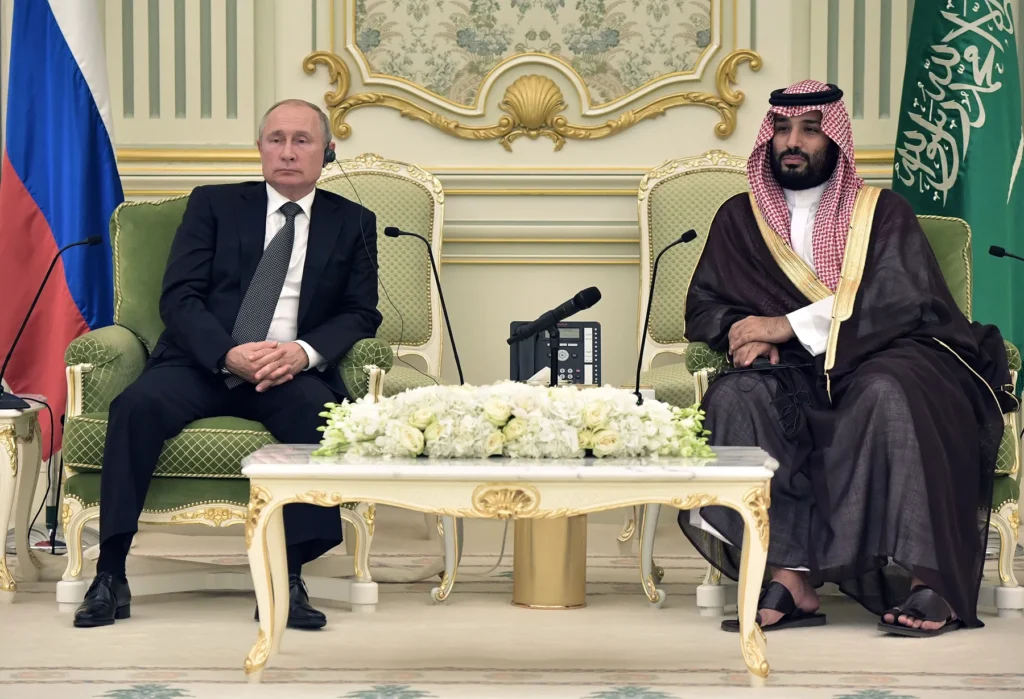
Early Foundations of Russia and Saudi Arabia Relations
The diplomatic milestone of 1926 represented a significant geopolitical development at the time. By recognizing the Kingdom of Hejaz and Nejd, the Soviet Union demonstrated early engagement with emerging states in the Middle East.
Following that recognition, Russia and Saudi Arabia relations gradually developed despite shifting global political dynamics. Throughout the twentieth century, both nations navigated complex international landscapes, yet maintained diplomatic communication and a foundation for future cooperation.
The modern phase of engagement accelerated in the early twenty first century, when high level visits helped establish renewed momentum in bilateral ties.
Leadership Visits Strengthen Strategic Dialogue
A major turning point in Russia and Saudi Arabia relations came in 2003, when Crown Prince Abdullah bin Abdulaziz visited Moscow. This was followed by Russian President Vladimir Putin’s historic visit to Saudi Arabia in 2007, marking the first time a Russian head of state visited the Kingdom.
Since 2015, cooperation has expanded significantly under King Salman bin Abdulaziz and Crown Prince Mohammed bin Salman. Russian officials have publicly acknowledged the Kingdom’s modernization efforts and economic transformation initiatives.
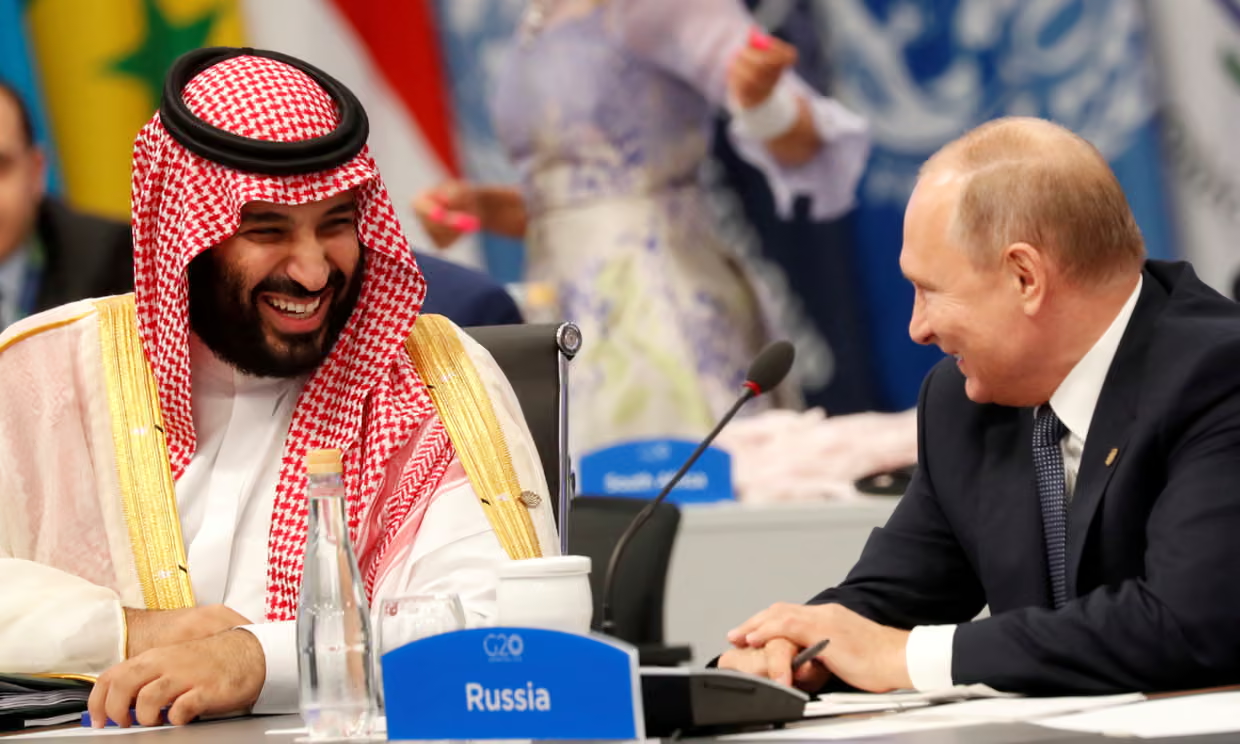
Further high level engagement followed with King Salman’s landmark visit to Moscow in October 2017. President Putin later reciprocated with visits to the Kingdom in October 2019 and December 2023. These diplomatic exchanges reinforced confidence and elevated Russia and Saudi Arabia relations to a deeper strategic level.
Expanding Economic and Trade Cooperation
Economic collaboration has become a central pillar of Russia and Saudi Arabia relations. The Joint Russian Saudi Intergovernmental Commission on Trade, Economic, Scientific and Technical Cooperation serves as the primary framework guiding bilateral engagement.
Through this platform, both countries have expanded cooperation in key sectors including:
-
Industry
-
Agriculture
-
Infrastructure
-
Investment
-
Scientific research
The Russian Saudi Business Council has also facilitated direct interaction between private sector leaders, strengthening commercial ties. As a result, bilateral trade volumes have steadily increased in recent years, with new joint projects emerging across multiple industries.
Economic diversification efforts in Saudi Arabia, combined with Russia’s industrial and technological capabilities, have created new opportunities for collaboration.
Energy Cooperation and the Role of OPEC Plus
Energy remains one of the most significant components of Russia and Saudi Arabia relations. As two of the world’s largest oil producers, both countries play a crucial role in maintaining global market stability.
Together, Russia and Saudi Arabia were instrumental in launching OPEC Plus, an expanded coalition bringing together members of OPEC and other major oil producing countries. Through coordinated production adjustments, OPEC Plus has aimed to reduce volatility and increase predictability in global energy markets.
The close energy coordination between Moscow and Riyadh has strengthened their shared influence within the international oil sector. Their collaboration demonstrates how Russia and Saudi Arabia relations extend beyond bilateral interests and impact the broader global economy.
Visa Exemptions and Air Connectivity Boost Engagement
Recent agreements have further deepened people to people engagement under Russia and Saudi Arabia relations. Direct flights between Moscow and Riyadh began operating regularly in August 2025, with additional flights to Jeddah introduced in December 2025.
A major diplomatic development occurred on December 1, 2025, when both governments signed a mutual visa exemption agreement in Riyadh during the ninth session of the intergovernmental commission. Once implemented, the agreement will allow Russian citizens visa free entry into Saudi Arabia, making them the first non Gulf Cooperation Council nationals to receive this privilege.
These measures are expected to boost tourism, business exchanges, and scientific cooperation. They also support religious travel, which remains an important dimension of Russia and Saudi Arabia relations. Each year, approximately 25,000 Russian Muslims travel to Saudi Arabia to perform Hajj, while tens of thousands undertake Umrah pilgrimages.
Cultural Cooperation and Intervision Participation
Cultural diplomacy has also grown as part of Russia and Saudi Arabia relations. In September 2025, Saudi Arabia participated in the revived international music competition Intervision, hosted in Russia.
Following the event, Saudi authorities announced plans to host Intervision 2026 in the Kingdom. Russian officials expressed readiness to share organizational experience and provide support to ensure the event’s success.
Such cultural initiatives strengthen mutual understanding and highlight the expanding scope of Russia and Saudi Arabia relations, which now extend beyond politics and economics into the cultural sphere.
Coordination in Global Diplomacy
Another key dimension of Russia and Saudi Arabia relations is foreign policy coordination. Both countries engage within international institutions such as the United Nations and the G20.
Officials have stated that their positions on many global and regional issues either coincide or closely align. Both emphasize adherence to the principles of the UN Charter, respect for cultural diversity, and support for national sovereignty.
This diplomatic coordination reflects a shared interest in promoting stability and multilateral dialogue. As global political shifts continue to reshape international relations, Russia and Saudi Arabia relations are positioned within a broader context of strategic cooperation.
A Century of Partnership and Future Outlook
The centenary celebration underscores the durability of Russia and Saudi Arabia relations. From early diplomatic recognition in 1926 to modern cooperation in energy, trade, aviation, and culture, the relationship has steadily evolved.
Both nations now describe their engagement as a strategic partnership grounded in mutual respect and shared interests. The anniversary not only marks past achievements but also signals future ambitions.
As geopolitical challenges emerge and global markets fluctuate, Russia and Saudi Arabia relations are expected to remain an important factor in regional and international stability.
With expanding economic ties, enhanced travel agreements, and continued energy coordination, the partnership appears set to deepen further in the coming years.
Key Highlights
-
1926 marked the beginning of official diplomatic recognition
-
High level visits strengthened strategic trust
-
Energy cooperation through OPEC Plus remains central
-
Trade and investment continue to expand
-
Visa exemptions and direct flights increase connectivity
-
Cultural initiatives enhance bilateral understanding
-
Foreign policy coordination supports global stability
For More News, Please Visit Our Homepage