 0
0
 0
0
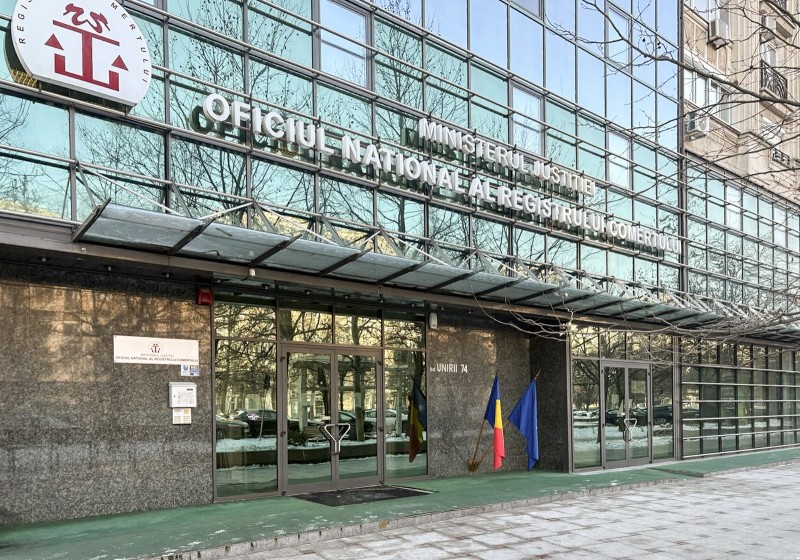
Romania business registry IT scandal has triggered an anti corruption investigation into a failed 38 million euro digital platform at the National Trade Registry Office. The system, launched in summer 2024, caused widespread service disruptions and exposed personal data, prompting scrutiny from prosecutors and auditors.
Romanian anti corruption authorities are now examining how the high value project was managed and whether public funds were misused.
System Failure Disrupted 130,000 Registrations
The IT platform, implemented at the National Trade Registry Office, reportedly blocked more than 130,000 business registrations for weeks after its launch. The agency operates under Romania’s Ministry of Justice and maintains records for more than 1.7 million individuals and companies.
According to reporting by Public Record, a member center of the Organized Crime and Corruption Reporting Project, the platform malfunctioned shortly after going live, halting company formation nationwide.
The Romania business registry IT scandal has drawn attention due to the scale of disruption and the financial value of the contract.
Audit Findings Reveal Serious Irregularities
Draft audits conducted by the National Court of Auditors and Romania’s Justice Ministry identified multiple issues with the project.
Auditors found that the system was launched before undergoing proper testing. They also reported that the agency allegedly never received the platform’s source code, limiting its ability to independently review, modify, or secure the software.
Security checks and functionality testing were described as incomplete. Investigators estimated financial losses exceeding 12 million lei due to penalties that were not enforced for delays and faulty implementation.
The Romania business registry IT scandal deepened after auditors concluded that the project had been signed off nine months before its official launch, raising concerns about oversight and compliance.
Data Breach and Security Concerns
The failed system also led to a data breach affecting more than 3,000 individuals. The Justice Ministry reported that the platform was unstable and insufficiently tested at the time it was introduced.
Officials from the registry acknowledged early disruptions but attributed them to an unusually high volume of user requests. However, auditors indicated that structural weaknesses in the system contributed to the breakdown.
Experts cited in the investigation noted that withholding source code could create dependency on contractors and potentially conceal vulnerabilities. The Romania business registry IT scandal therefore raises broader concerns about digital governance and cybersecurity standards in public institutions.
Contractors Under Scrutiny
The primary IT contract was awarded to Vodafone Romania, which subcontracted software development to Total Soft SA.
Auditors reported uncertainty about whether Total Soft provided the complete source code as required. Without it, the registry may face limitations in addressing technical flaws independently.
Vodafone Romania stated that it fulfilled its contractual obligations and that implementation was coordinated by registry management. Total Soft referred inquiries back to Vodafone. Neither company directly addressed questions regarding the alleged security vulnerabilities.
The Romania business registry IT scandal continues to raise questions about procurement oversight and contractor accountability.
Former Director and Conflict of Interest Concerns
Former registry director Valentina Burdescu, who was dismissed in 2024 following audit findings but remains employed at the agency, is also under scrutiny. Reports indicate that her husband holds a senior position within the institution, prompting concerns about potential conflicts of interest.
Auditors additionally flagged what they described as improperly granted financial benefits linked to the project.
The Romania business registry IT scandal has therefore expanded beyond technical failures to include governance and ethical questions.
Ongoing Investigation
Romanian anti corruption prosecutors have formally opened an investigation into the matter. The Court of Accounts audit remains ongoing, and further findings are expected as authorities continue reviewing documentation and contracts.
The registry did not respond to requests for comment cited in investigative reporting.
As the Romania business registry IT scandal unfolds, the case underscores the importance of transparency, accountability, and rigorous testing in large scale public IT projects.
This remains a developing story.
For more news, please visit our homepage