 0
0
 0
0
Republican skepticism $200 billion war funding has intensified as lawmakers question the Pentagon’s latest request for an additional $200 billion to support operations in Iran. Many Republicans want more clarity, detailed audits, and assurances that taxpayer money will be spent responsibly.
Republican Skepticism $200 Billion War Funding Grows in Congress Debate
The Pentagon has asked Congress for an additional $200 billion, nearly a quarter of the annual U.S. defense budget. This follows over a trillion dollars already approved, including a $150 billion supplemental in late 2025. Critics argue the funds lack clear allocation or objectives.

Transparency Demands Reflect Republican Skepticism $200 Billion War Funding
Republicans, including members of the Freedom Caucus, have expressed concern over accountability and strategy. Rep. Thomas Massie (R-KY) asked whether the $200 billion is the first installment or part of a larger plan. Rep. Lauren Boebert (R-CO) highlighted domestic spending priorities, emphasizing the need for America First policies.
Key Republican Voices Driving Skepticism $200 Billion War Funding
Rep. Eric Burlison (R-PA) insisted the Pentagon pass an audit before he would consider supporting the funds, noting the department has historically failed audits. Rep. Chip Roy (R-TX) emphasized understanding the full scope and intended outcomes of the supplemental funding. Republican skepticism $200 billion war funding highlights the tension between executive action and fiscal responsibility.
Senate Republicans Address Republican Skepticism $200 Billion War Funding Concerns
Moderate Republican Senators, such as Lisa Murkowski (R-AK) and Susan Collins (R-ME), are asking for detailed explanations regarding the need for the $200 billion supplemental. Fiscal hawks Sens. Josh Hawley (R-MO) and Rick Scott (R-FL) also demand transparency before committing their support.
Legal and Fiscal Concerns Fuel Republican Skepticism $200 Billion War Funding
Republican skepticism $200 billion war funding is fueled by concerns over the legality of the war. Lawmakers question why the administration conducted operations without explicit Congressional authorization and whether additional funding aligns with national interests.
Experts Weigh In on Republican Skepticism $200 Billion War Funding
Policy analysts argue the $200 billion request far exceeds current war costs. Steve Kosiak of the Quincy Institute estimates the war has cost around $15 billion to date. Gabe Murphy of Taxpayers for Common Sense warns that approving this supplemental could enable long-term, unaccountable military spending.
Long-Term Budget Implications
Republicans stress that funding should be tied to clear objectives and audits. Republican skepticism $200 billion war funding underscores lawmakers’ insistence on accountability for taxpayer dollars and war expenditures.

Presidential Pressure Meets Republican Skepticism $200 Billion War Funding
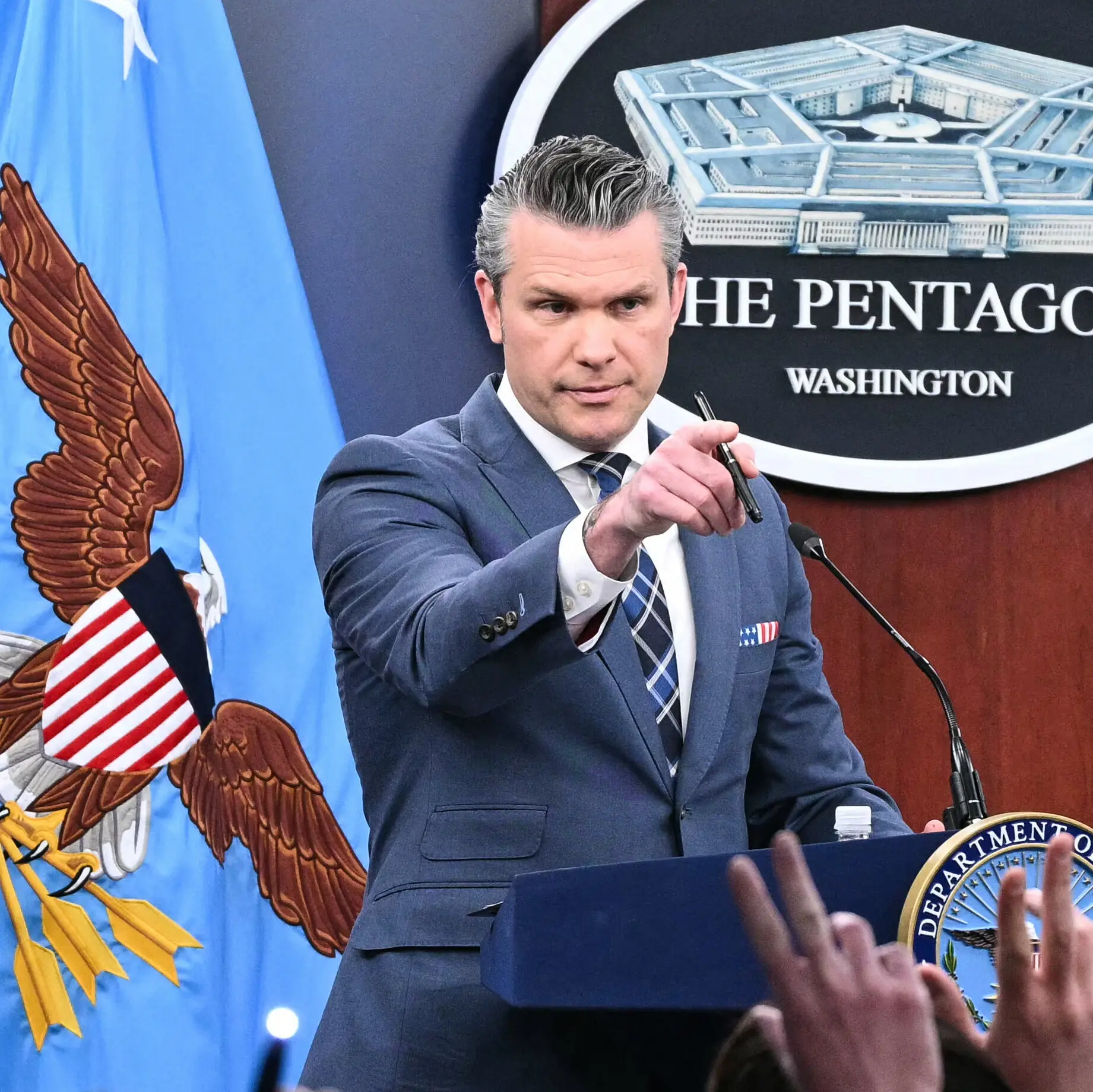
President Trump and Defense Secretary Pete Hegseth have emphasized the need for sufficient funding for operations in Iran. Hegseth framed the request as essential to maintain military readiness, increasing pressure on Republican lawmakers to support the supplemental despite concerns.
Political Dilemma
Republicans must balance fiscal responsibility, public opinion, and executive pressure. Republican skepticism $200 billion war funding reflects broader debates over the proper role of Congress in authorizing and funding military operations abroad.
Outlook for Supplemental Funding
Currently, the $200 billion request appears unlikely to pass without significant revisions or added transparency measures. Republican skepticism $200 billion war funding demonstrates the growing demand for audits, clear allocation, and public accountability before approval.
FAQ Section
What is the $200 billion war funding request for?
The supplemental request is intended to cover Pentagon operations in Iran, but lawmakers question the lack of clarity on how the money will be spent.
Why are some Republicans skeptical of the war funding?
Republicans are concerned about audits, transparency, domestic priorities, and the legality of the war.
How could the $200 billion affect U.S. taxpayers?
Approval could significantly increase defense spending, potentially adding to the national debt without clear accountability.
What conditions are Republicans demanding before supporting funding?
Lawmakers want Pentagon audits, clear explanations of objectives, and oversight mechanisms to ensure funds are properly used.
Conclusion
Republican skepticism $200 billion war funding illustrates concerns over fiscal responsibility, transparency, and strategic clarity. Lawmakers insist on audits, detailed allocation plans, and accountability before approving supplemental funds, highlighting tension between executive military action and Congressional oversight.
PLEASE CLICK HERE FOR MORE NEWS