 0
0
 0
0
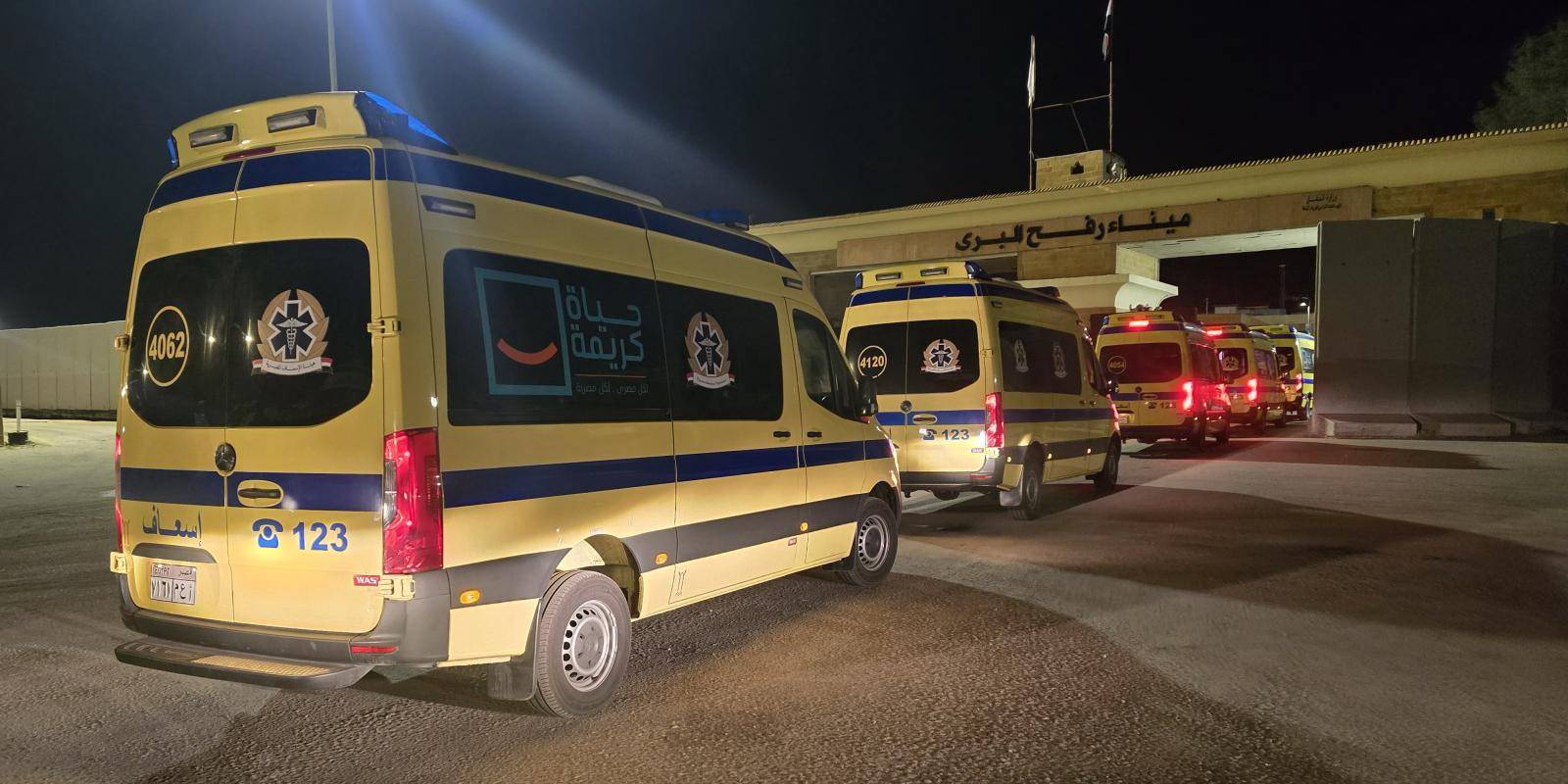
Rafah crossing Gaza reopening 2026 is set to begin this week as Israel announced that the key border terminal between Gaza and Egypt will resume limited movement of people starting Wednesday.
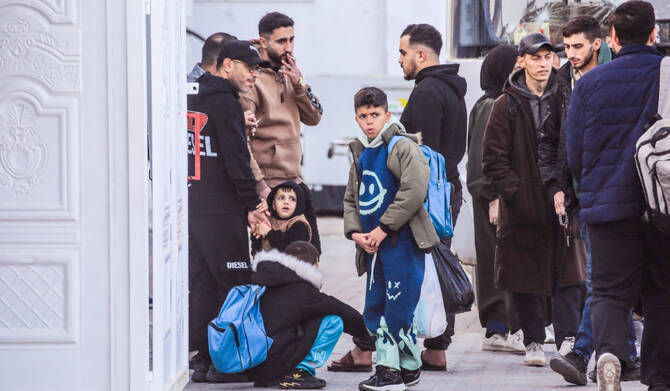
The decision marks a significant development for residents of the Gaza Strip who have faced severe travel restrictions during the ongoing conflict and humanitarian crisis. Officials confirmed that the crossing will operate under strict security conditions and international supervision.
Israel Announces Limited Reopening of Rafah Crossing
Israeli authorities confirmed the Rafah crossing Gaza reopening 2026 after conducting a security assessment and reviewing operational conditions at the border terminal.
The announcement came from the Israeli government body responsible for coordinating activities in Palestinian territories.
Limited Passenger Movement
According to the statement, the crossing will initially allow restricted travel of people in both directions.
However, movement will remain limited because of ongoing security concerns in the region.
Key conditions include:
-
Limited numbers of passengers allowed daily
-
Strict security checks before travel approval
-
Continued monitoring of the border environment
Officials emphasized that operations will proceed cautiously while evaluating the security situation.
Security Restrictions Remain in Place
Despite the reopening, authorities stressed that strict security restrictions will remain active.
The Rafah crossing Gaza reopening 2026 will operate under the same framework that existed prior to its most recent closure, while also incorporating updated security procedures.
These restrictions are intended to reduce potential risks in the area surrounding the border terminal.
Coordination With Egypt and European Union Supervision
A central element of the Rafah crossing Gaza reopening 2026 is international coordination involving Egypt and European authorities.
Egypt’s Role in Border Operations
Passenger movement through the crossing will take place in coordination with Egypt, which controls the southern side of the Rafah border.
Travelers will need prior security approval before being allowed to cross.
Egypt has historically played a major role in managing border operations and facilitating humanitarian movement between Gaza and the outside world.
European Union Monitoring
The reopening will also occur under the supervision of a European Union monitoring mission.
EU observers are expected to oversee aspects of the crossing’s operation to help ensure transparency and compliance with international agreements governing border management.
Additional Security Screening Procedures
Authorities confirmed that additional screening procedures will be implemented during the Rafah crossing Gaza reopening 2026.
The “Regavim” Route
Passengers traveling through the crossing will undergo identification and verification procedures along the route known as “Regavim.”
This route passes through areas under Israeli military control and will be used to conduct:
-
Identity verification checks
-
Security inspections
-
Travel documentation reviews
Officials stated that these measures are necessary due to the ongoing security threats in the region.
Previous Closures of Gaza Border Crossings
The Rafah crossing Gaza reopening 2026 follows several months of closures and partial operations at border terminals around Gaza.
February Partial Reopening
On February 2, Israeli authorities partially reopened the Palestinian side of the Rafah crossing.
However, the reopening was extremely limited and took place under strict restrictions after Israel took control of the crossing in May 2024.
Only a small number of travelers were allowed to pass through at the time.
Full Closure After Regional Conflict Escalation
Later, on February 28, Israel announced the closure of all crossings in Palestinian territories following the escalation of conflict involving Iran.
The shutdown halted most movement of people and goods across Gaza’s borders.
Gradual Reopening of Kerem Shalom Crossing
On March 3, Israeli authorities began gradually reopening the Kerem Shalom crossing.
This terminal is primarily used for the entry of humanitarian aid and goods into Gaza.
Officials said aid deliveries would be based on needs identified by:
-
The United Nations
-
International humanitarian organizations
Rafah crossing Gaza reopening 2026
Growing Humanitarian Needs in Gaza
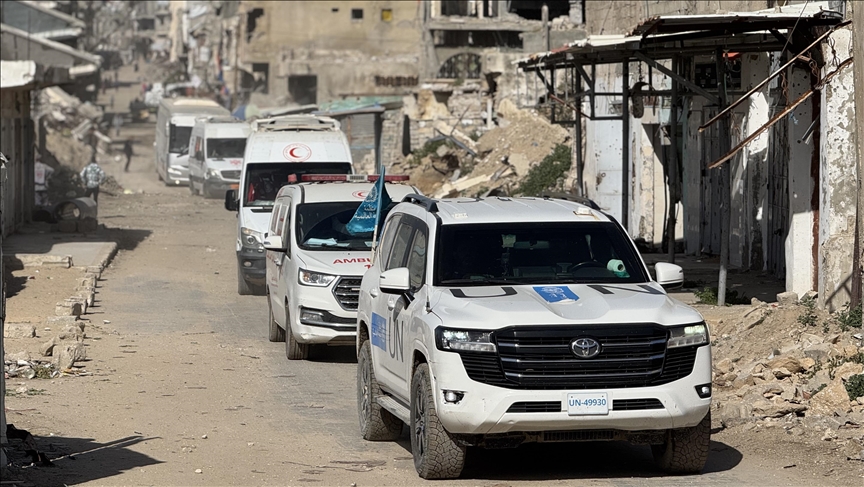
The Rafah crossing Gaza reopening 2026 comes at a time when Gaza faces severe humanitarian challenges.
Medical Evacuation Needs
Local Palestinian estimates suggest that approximately 22,000 wounded people and patients currently need to leave Gaza for medical treatment abroad.
This urgent need has intensified after major damage to Gaza’s healthcare system.
Hospitals across the territory have struggled with shortages of:
-
Medical supplies
-
Specialized equipment
-
Operating capacity
Allowing patients to travel through Rafah could help reduce pressure on the local healthcare infrastructure.
Impact of Infrastructure Destruction
The war in Gaza has caused widespread destruction across the enclave.
Reports indicate that about 90% of Gaza’s civilian infrastructure has been damaged or destroyed.
The United Nations estimates that rebuilding the territory could cost around $70 billion.
This level of devastation has significantly affected hospitals, schools, housing, and public services.
How Rafah Crossing Operated Before the War
Before the conflict, the Rafah crossing served as Gaza’s primary gateway to the outside world.
Daily Movement of Travelers
Hundreds of Palestinians used the crossing daily to travel to Egypt for:
-
Medical treatment
-
Education
-
Business and trade
-
Family visits
At the same time, hundreds of travelers returned to Gaza through the terminal.
Previous Management System
Prior to the war, the crossing was managed by Gaza’s Interior Ministry in coordination with Egyptian authorities.
Israel did not directly oversee the day-to-day operation of the crossing during that period.
Ceasefire and Ongoing Regional Developments
The Rafah crossing Gaza reopening 2026 occurs several months after a ceasefire agreement took effect.
Gaza Ceasefire Agreement
A ceasefire entered into force on October 10, 2025, bringing an end to a prolonged conflict that caused extensive casualties and destruction across the region.
According to estimates:
-
More than 72,000 Palestinians were killed
-
Over 171,000 people were injured
-
Large sections of Gaza’s infrastructure were destroyed
The ceasefire has allowed limited humanitarian operations and diplomatic efforts to continue.
Continued International Attention
Global organizations and humanitarian groups continue to monitor developments related to border crossings, aid delivery, and reconstruction efforts in Gaza.
The reopening of Rafah is expected to be closely watched as part of broader efforts to stabilize the situation in the territory.
FAQ
When will the Rafah crossing reopen in 2026?
The Rafah crossing Gaza reopening 2026 is scheduled to begin on Wednesday, allowing limited movement of people between Gaza and Egypt.
Who will supervise the Rafah crossing operations?
The crossing will operate under coordination between Israel and Egypt, with monitoring by a European Union mission.
Why is Rafah crossing important for Gaza residents?
Rafah crossing serves as Gaza’s main gateway to the outside world, enabling travel for medical care, education, and humanitarian needs.
How many patients in Gaza need treatment abroad?
Estimates indicate around 22,000 wounded people and patients currently need to leave Gaza for medical treatment outside the territory.
Conclusion
The Rafah crossing Gaza reopening 2026 represents a significant development for residents of Gaza after months of severe restrictions on movement. While travel will remain limited and heavily monitored, the reopening could provide critical access for patients and civilians needing to leave the enclave. As regional tensions and humanitarian challenges persist, international coordination and security oversight will remain key factors shaping the future of border operations.