


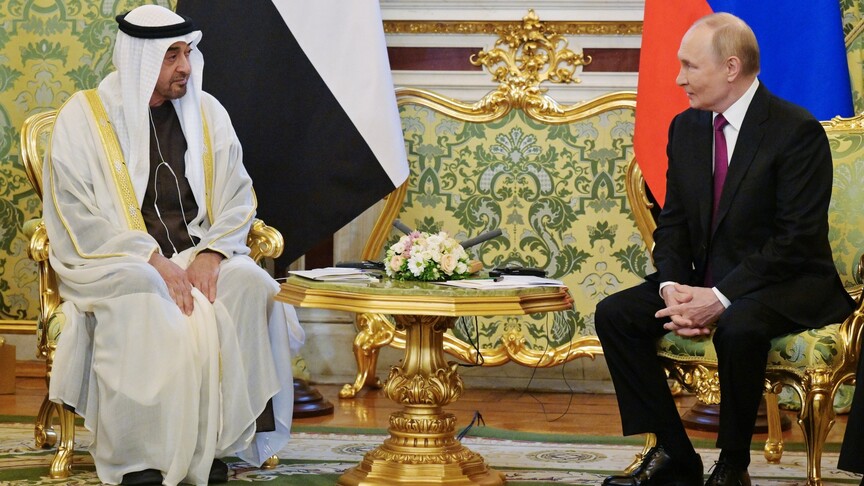
Putin UAE Iran crisis talks moved into focus after Russian President Vladimir Putin and UAE President Sheikh Mohammed bin Zayed Al Nahyan held a phone conversation centered on growing tensions in the Middle East and the ongoing Iran crisis.
According to a statement released by the Kremlin on Saturday, both leaders discussed regional developments and stressed the importance of political and diplomatic efforts aimed at achieving compromise-based peace agreements across the Middle East.
The phone call comes at a time of heightened instability in the region following months of military escalation involving Iran, Israel, and the United States.
Putin and UAE President Stress Diplomacy
During the Putin UAE Iran crisis talks, both leaders agreed that diplomacy remains essential for reducing tensions and maintaining regional stability.
The Kremlin said Putin and Al Nahyan emphasized the need for continued political dialogue while considering the interests and security concerns of all countries in the region.
The leaders reportedly discussed possible pathways toward broader peace arrangements amid concerns over future military escalation.

Focus on Regional Stability
The Middle East has experienced significant instability in recent months following a series of military confrontations involving Iran, Israel, and US allies in the Gulf region.
Russia and the UAE both maintain strategic interests in regional stability, particularly regarding:
- Energy security
- Maritime trade routes
- Regional economic cooperation
- Counterterrorism efforts
- Diplomatic negotiations
The latest conversation reflects ongoing international concern about the potential for renewed conflict despite recent ceasefire agreements.
UAE Continues Active Regional Diplomacy
The UAE has increasingly positioned itself as a diplomatic player in regional conflicts over recent years.
Abu Dhabi has maintained communication channels with multiple global and regional powers, including Russia, the United States, Iran, and European nations.
The phone call between Putin and Al Nahyan highlights the UAE’s continued role in diplomatic discussions surrounding Middle East security issues.
Russia and UAE Discuss Bilateral Cooperation
Beyond the regional crisis, the Putin UAE Iran crisis talks also covered bilateral cooperation between Moscow and Abu Dhabi.
According to the Kremlin, both presidents expressed satisfaction with the continued growth of Russian-UAE relations in trade and economic sectors.
Expanding Economic Relations
Russia and the UAE have strengthened economic ties in recent years despite broader geopolitical tensions involving Moscow and Western countries.
Areas of cooperation reportedly include:
- Trade
- Investment
- Energy
- Infrastructure
- Tourism
- Financial partnerships
The UAE has become an increasingly important economic partner for Russia following Western sanctions related to the Ukraine conflict.
Officials from both countries have repeatedly emphasized their interest in maintaining active economic and diplomatic engagement.
Putin Thanks UAE for Humanitarian Support
The Kremlin statement also noted that Putin thanked the UAE for providing assistance in resolving humanitarian issues linked to the ongoing war in Ukraine.
The UAE has previously participated in mediation efforts involving prisoner exchanges and humanitarian negotiations connected to the Russia-Ukraine conflict.
Abu Dhabi has sought to maintain balanced diplomatic relations with both Russia and Western countries throughout the war.
Middle East Tensions Escalated Earlier This Year
The Putin UAE Iran crisis talks follow months of heightened tensions in the Middle East that began escalating earlier in 2026.
US and Israel Launched Strikes on Iran
Regional instability intensified after the United States and Israel launched coordinated strikes against Iranian targets on February 28.
The attacks significantly increased fears of a wider regional conflict involving Gulf states and international powers.
Iran later responded with retaliatory strikes targeting:
- Israeli locations
- US allies in the Gulf
- Strategic regional infrastructure
The escalation raised concerns about global energy supplies and shipping security.

Strait of Hormuz Closure Raised Global Alarm
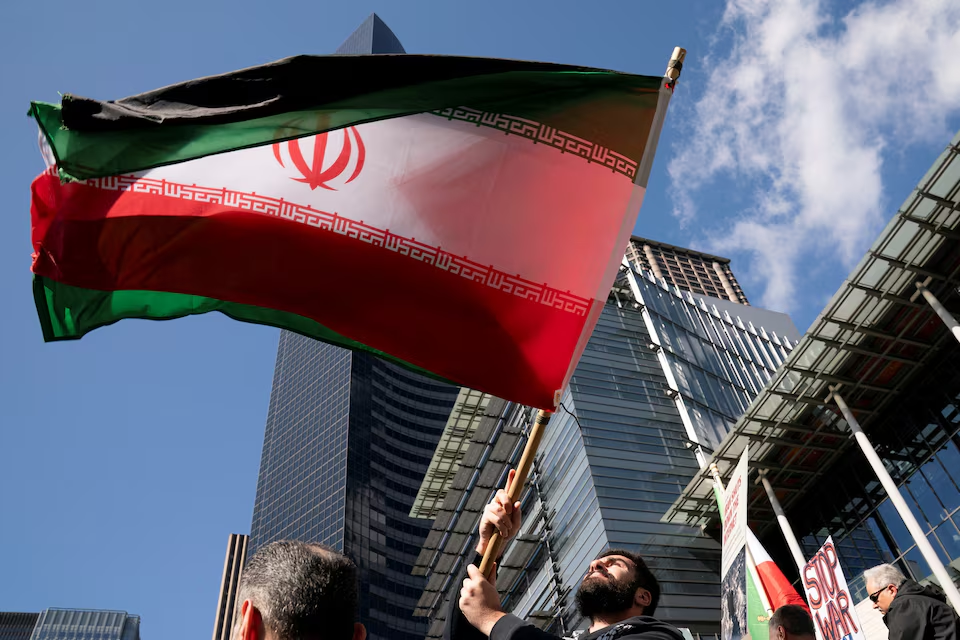
One of the most significant developments during the crisis involved Iran’s closure of the Strait of Hormuz.
The Strait of Hormuz is considered one of the world’s most important maritime routes for oil transportation. Any disruption in the area has the potential to affect global energy markets and shipping operations.
The temporary closure heightened international fears of broader economic disruption.
Ceasefire Reduced Immediate Conflict Risks
A ceasefire agreement eventually took effect on April 8 following mediation efforts led by Pakistan.
Pakistan Played Key Mediation Role
Pakistani officials reportedly facilitated negotiations aimed at reducing military tensions between the parties involved.
Although the ceasefire helped reduce immediate hostilities, talks in Islamabad failed to produce a permanent political settlement.
The region has remained tense despite the reduction in active military exchanges.
Trump Extended Truce Indefinitely
US President Donald Trump later announced that the truce would be extended indefinitely in an effort to prevent renewed fighting.
However, analysts continue to warn that the situation remains fragile due to unresolved political and security disputes involving Iran and regional actors.
Diplomatic contacts between world leaders have continued amid concerns that any new military incident could trigger another escalation.

Russia Maintains Strategic Middle East Role
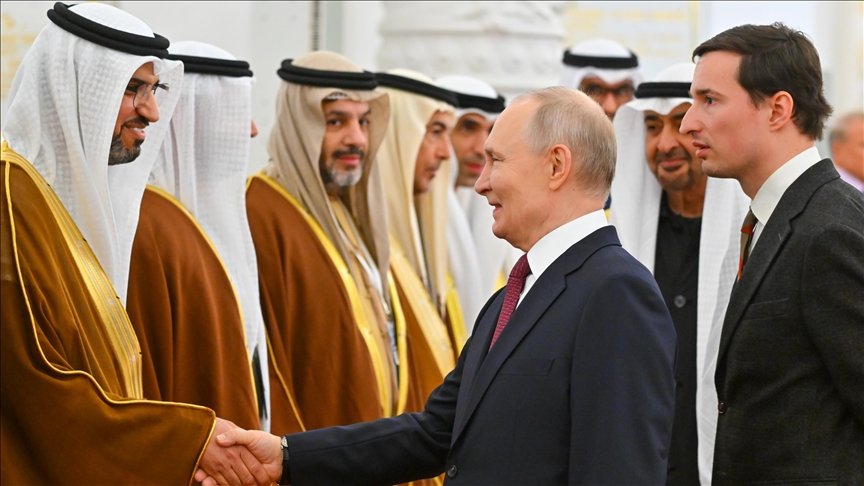
The Putin UAE Iran crisis talks also underscore Russia’s continued involvement in Middle East affairs.
Moscow has long maintained relationships with multiple regional governments, including:
- Iran
- Israel
- Gulf Arab states
- Syria
- Turkey
Russia frequently presents itself as a mediator capable of maintaining dialogue with opposing sides in regional disputes.
UAE Balances Relations with Major Powers
Similarly, the UAE has continued pursuing a balanced foreign policy approach by maintaining relations with both Western allies and countries such as Russia and China.
Analysts say Abu Dhabi’s diplomatic flexibility has allowed it to expand its role in international mediation efforts.
The latest call between Putin and Al Nahyan reflects broader attempts to prevent further instability across the Middle East.
Global Attention Remains on Iran Crisis
International attention remains focused on the Iran crisis due to its potential impact on:
- Oil prices
- Regional security
- Global shipping
- Military alliances
- International diplomacy
World leaders continue monitoring developments closely as diplomatic efforts attempt to stabilize the region.
The recent communication between Russia and the UAE suggests ongoing international engagement aimed at preventing further escalation.
FAQ
What did Putin and the UAE president discuss?
They discussed the Middle East crisis, tensions involving Iran, regional diplomacy, and bilateral cooperation between Russia and the UAE.
Why is the Iran crisis important globally?
The crisis affects regional security, oil supplies, global shipping routes, and international diplomatic relations.
What role did the UAE play in recent diplomacy?
The UAE has remained active in regional diplomacy and humanitarian discussions related to both the Middle East crisis and the Ukraine conflict.
What happened with the Strait of Hormuz?
Iran temporarily closed the Strait of Hormuz during the crisis, raising concerns about disruptions to global oil shipments.
The Putin UAE Iran crisis talks highlight continuing diplomatic efforts to manage instability in the Middle East while maintaining broader economic and political cooperation between Russia and the UAE. Although a ceasefire has reduced immediate fighting, international leaders remain focused on preventing further escalation in the region.
PLEASE CLICK HERE FOR MORE NEWS


