 0
0
 0
0
For more than a decade, US strategic policy gradually emphasized the Indo-Pacific region. Successive administrations highlighted Asia as central to future economic growth and security interests. However, recent policy changes suggest a significant shift away from that approach.
A renewed focus on domestic priorities and the Western Hemisphere is raising concerns among long standing US partners in Asia. As a result, several Indo-Pacific countries are questioning Washington’s long term commitment to the region.
Background of the US Pivot to Asia
After years of heavy involvement in the Middle East, US policy began shifting toward Asia in the early 2010s. This approach aimed to strengthen military, diplomatic, and economic ties across the Indo-Pacific.
The strategy included deeper engagement with Southeast Asian nations, stronger alliances with Japan, South Korea, and Australia, and expanded defense cooperation. Trade initiatives and regular participation in regional summits also formed part of this effort.
Although some goals were not fully achieved, the Indo-Pacific focus became a consistent element of US foreign policy across administrations.
Continuity and Change Under Different Administrations
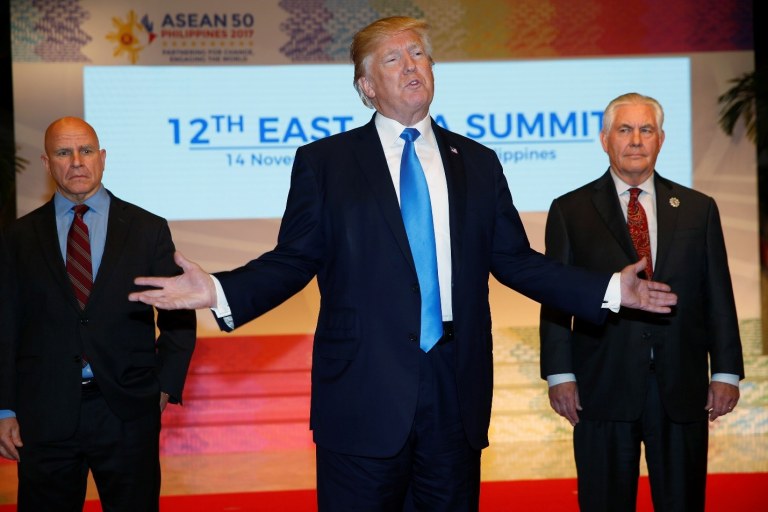
During Donald Trump’s first term, the US reinforced some Asia focused policies. The administration revived the Quadrilateral Security Dialogue involving the United States, Japan, India, and Australia. It also identified China as a strategic competitor and tightened export controls on sensitive technologies.
The Biden administration later continued and expanded many of these policies. It strengthened defense ties with regional allies, increased restrictions on technology exports to China, and publicly reaffirmed commitments to partners in East and Southeast Asia.
Together, these moves suggested a broad bipartisan consensus on the importance of the Indo-Pacific.
Recent Policy Signals Raise Doubts
That consensus now appears under strain. The latest US National Security Strategy places greater emphasis on the Western Hemisphere while giving less attention to Asia.
China receives limited coverage in the document, and the Indo-Pacific plays a reduced role compared to earlier strategies. At the same time, strained relations with European allies have further diverted attention away from Asia.
This shift has led to uncertainty among Indo-Pacific partners who rely on clear US engagement.
Strained Ties With Key Asian Partners
Recent developments have raised concerns among major US allies. Relations with Japan have come under scrutiny as questions emerge about the reliability of defense commitments.
Ties with India have also weakened. Trade disputes and changing diplomatic priorities have affected a relationship that previous administrations worked to strengthen. These tensions have unsettled regional balance and cooperation.
Meanwhile, unpredictable tariff policies have disrupted supply chains and raised fears of slower economic growth across Asia.
Taiwan Policy Adds to Regional Uncertainty
Taiwan remains one of the most sensitive issues in the Indo-Pacific. Changes in US policy language regarding the Taiwan Strait have increased uncertainty in the region.
Recent strategy documents appear less explicit about US opposition to unilateral changes in the status quo. This shift has drawn attention from regional observers who view clarity on Taiwan as critical to stability.
In addition, new defense planning documents place less emphasis on Asia focused deterrence, further adding to regional concerns.
Regional Responses Begin to Emerge
Asian countries are already adjusting to the changing environment. Japan and South Korea are increasing discussions about self defense capabilities. India is expanding ties with other global powers to balance uncertainty.
Across the region, governments are reassessing how much they can rely on US support. While partnerships remain in place, confidence has weakened.
Why the Shift Matters
The Indo-Pacific plays a vital role in global trade, security, and economic growth. Reduced US engagement could reshape regional alliances and influence long term stability.
As Asian partners adapt to shifting US priorities, the future of Indo-Pacific cooperation remains uncertain.