 0
0
 0
0
China to Build 7MW Floating Solar Power Station at UNILAG

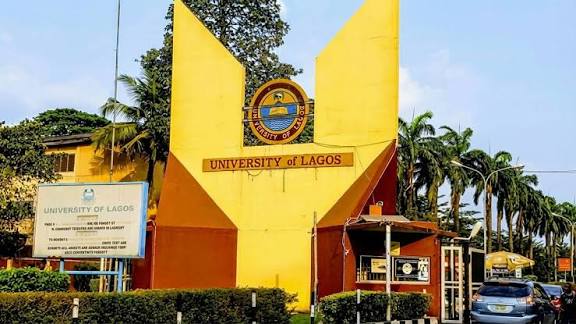
The China Civil Engineering Construction Corporation (CCECC) will build a 7-megawatt floating solar power station at the Federal University of Lagos (UNILAG). This project supports Nigeria’s renewable energy expansion and provides sustainable electricity for educational institutions.
UNILAG officials confirmed that CCECC, a global engineering and construction firm, will lead the design, installation, and commissioning of the station. Once finished, the project will reduce the university’s dependence on the national grid and lower its carbon footprint.
About the Floating Solar Project
Floating solar, or floatovoltaics, places solar panels on water surfaces such as lakes or reservoirs. At UNILAG, the panels will be installed on campus water bodies, saving space and generating clean power. Moreover, the system reduces water evaporation and keeps the panels cooler, which improves efficiency.
A UNILAG spokesperson said the project aligns with the university’s sustainability goals and Nigeria’s national energy strategy. “This initiative shows our commitment to renewable energy. The floating solar station will generate clean power and serve as a research and learning platform for students and faculty,” the spokesperson said.
CCECC will manage the project from planning to installation and testing. The 7MW capacity will cover a large portion of UNILAG’s electricity needs, including lighting, offices, and research facilities.

Impact and Significance
Nigeria is increasing solar energy projects to address power shortages and support sustainable development. Floating solar technology is gaining global attention because it maximizes space and improves efficiency—especially important in crowded cities like Lagos.
Experts say the UNILAG project could inspire other universities and institutions in Nigeria. By integrating renewable energy into campus operations, it demonstrates how educational institutions can help drive national energy transformation. Additionally, it provides students with hands-on learning in clean technology.
The announcement received positive feedback from social media users and industry analysts. Many said the project strengthens Nigeria’s clean energy portfolio and could create local jobs in installation, maintenance, and research support.