 0
0
 0
0
UK blocks US Iran attack plans after reportedly denying Washington permission to use key British military bases for a potential strike on Tehran. The decision, if confirmed, signals a significant diplomatic moment between London and Washington.
The reported move that UK blocks US Iran attack operations centers on Britain’s refusal to authorize the use of strategic military facilities, including Diego Garcia and RAF Fairford.
Why UK Blocks US Iran Attack From Key Bases
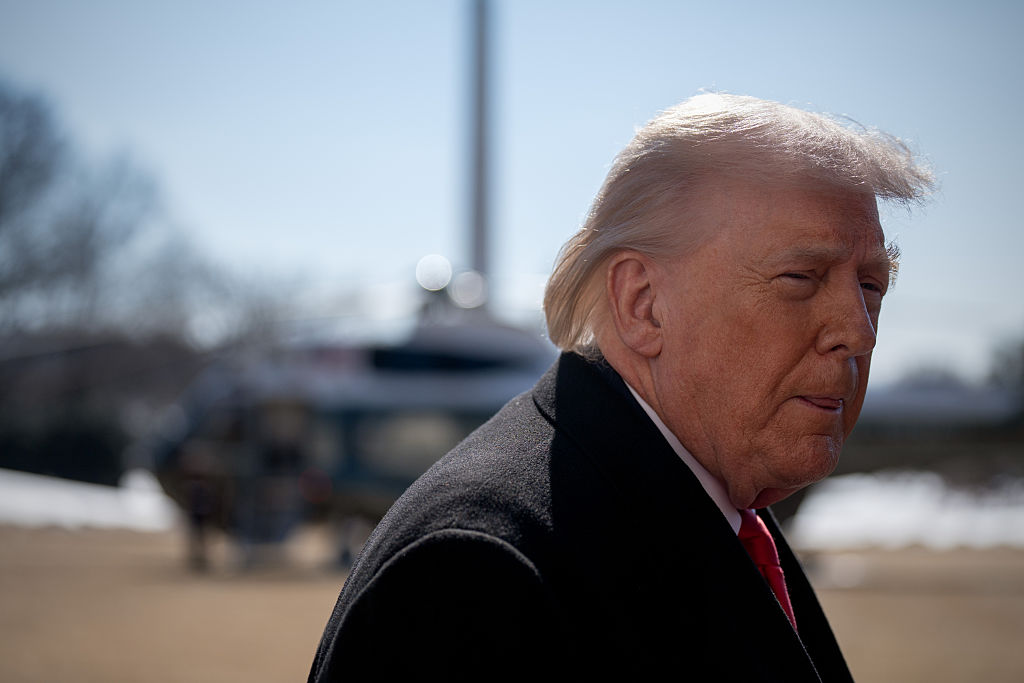
Reports indicate that Prime Minister Keir Starmer informed President Donald Trump that Britain would not approve the use of certain sovereign bases for offensive military action.
The decision that UK blocks US Iran attack activity is said to be rooted in legal concerns. British officials reportedly fear that supporting a pre-emptive strike without clear international legal backing could expose the UK to diplomatic and legal risks.
Strategic Bases at the Center of the Dispute
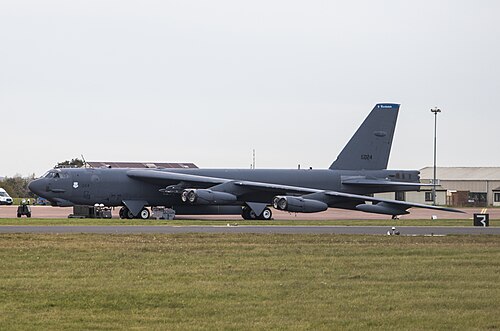
The installations involved include Diego Garcia and RAF Fairford.
Diego Garcia, located in the Indian Ocean, plays a crucial role in long-range US bomber operations. RAF Fairford has historically supported American air missions in Europe and the Middle East.
Under existing agreements, the United States must obtain British consent before launching operations from UK sovereign territory. In this case, reports suggest UK blocks US Iran attack access under those legal arrangements.
Legal and Political Implications
The stance that UK blocks US Iran attack missions reflects Britain’s cautious approach toward military escalation in the Middle East.
The UK has previously declined participation in certain US-led military actions when legal justifications were debated domestically.
Officials reportedly believe that enabling a strike without a UN mandate or clear defensive grounds could breach international law.
Impact on US-UK Relations
The development that UK blocks US Iran attack options may introduce strain into the longstanding US-UK security partnership.
While the two countries maintain close military ties, policy differences have occasionally surfaced, particularly over Middle East interventions.
Analysts suggest the decision could complicate broader strategic discussions, including sovereignty talks over the Chagos Islands.
Iran Issues Warning
Following rising tensions, Iran warned that American bases and assets in the region would be considered legitimate targets if military action proceeds.
In a letter addressed to Antonio Guterres, Iranian officials stated they remain committed to diplomacy but would respond defensively to aggression.
The warning comes as discussions over Iran’s nuclear program continue.
Trump’s Position on Military Action
President Trump has repeatedly stated that military action remains an option if negotiations fail.
He recently suggested that bases such as Diego Garcia could be used if Iran does not reach an agreement within a specified timeframe.
However, reports that UK blocks US Iran attack preparations indicate Britain may not align with that strategy.
Broader Geopolitical Consequences
The situation underscores the complexity of transatlantic relations. The United Kingdom and the United States maintain one of the closest military alliances globally, often described as the “special relationship.”
However, policy differences occasionally emerge, particularly regarding Middle East strategy.
If confirmed, the UK blocks US Iran attack stance could signal a more cautious British approach toward escalating military conflict in the region.
Security analysts note that any strike on Iran would carry significant regional consequences, potentially affecting energy markets, global shipping routes, and broader geopolitical stability.
Investigation and Official Silence
As of now, neither Washington nor London has publicly confirmed the reported refusal.
Officials on both sides have declined detailed comment, leaving the situation largely shaped by media reports and political statements.
Nevertheless, the developments highlight growing pressure surrounding Iran’s nuclear negotiations and the delicate balance between diplomacy and military deterrence.
For more news, please visit our homepage