 0
0
 0
0
Tinubu govt counters US Congress allegation of religious persecution as the Federal Government of Nigeria rejects claims made by lawmakers in the United States regarding the treatment of Christians in the country. Officials insist there is no state sponsored policy targeting any religious group and reaffirm constitutional protections for all citizens.
Federal Government Responds to US Report
The Nigerian government has formally disputed a recent report submitted by members of the United States Congress alleging widespread persecution of Christians in Nigeria. According to the Minister of Information and National Orientation, Mohammed Idris, Nigeria has never adopted or implemented any policy aimed at suppressing religious groups.
Idris stated that the nation’s security challenges are rooted in terrorism, organised crime, and long standing communal tensions rather than religious discrimination endorsed by the state. He emphasized that violence affecting different regions impacts citizens of various faiths.
The minister reiterated that the Federal Government remains committed to ensuring equal protection under the law for all Nigerians, regardless of religious affiliation.
Background to the US Congress Allegation
The controversy followed a report submitted by the US House Committees on Appropriations and Foreign Affairs to the White House. The submission came after President Donald Trump redesignated Nigeria as a Country of Particular Concern over religious freedom issues.
The report directed Congressman Riley Moore and Committee Chairman Tom Cole to investigate alleged persecution of Christians in Nigeria. Lawmakers claimed that incidents of violence in certain parts of the country reflect systemic religious targeting.
Moore indicated that the US delegation gained further insight into Nigeria’s security situation during discussions and encouraged stronger diplomatic ties between Washington and Abuja.
Government Denies Religious Bias
In response, the Nigerian government firmly rejected the characterization of violence as religious persecution driven by official policy. Authorities maintain that Nigeria’s constitution guarantees freedom of religion and worship for all citizens.
Officials argue that terrorist groups and criminal networks exploit local grievances to fuel unrest. These groups, according to government statements, target communities irrespective of faith and seek to destabilize affected regions for financial and political gains.
The administration stressed that allegations suggesting state backed persecution undermine the integrity of Nigeria’s security institutions. It added that security forces operate under the rule of law and are tasked with protecting all citizens equally.
Constitutional Protections and Security Efforts
The Federal Government highlighted constitutional provisions safeguarding religious freedom. These protections ensure that individuals can practice their faith without interference from the state.
Authorities also pointed to ongoing efforts aimed at improving humanitarian response mechanisms for internally displaced persons. Programs focused on safe community returns and peacebuilding initiatives are being implemented to address the impact of violence across various states.
The government maintains that it continues to strengthen intelligence operations and security coordination to tackle insurgency and communal clashes. Officials argue that the complexity of Nigeria’s security challenges requires international understanding and cooperation rather than unilateral conclusions.
Diplomatic Implications
The disagreement between Nigeria and US lawmakers comes at a time of evolving diplomatic relations between both nations. While the US Congress report raised concerns, Nigerian authorities have reiterated their willingness to engage in dialogue.
Analysts note that security cooperation between Nigeria and the United States has historically included counterterrorism collaboration and humanitarian support. The current dispute may shape future conversations on human rights monitoring and bilateral security partnerships.
Broader Context of Security Challenges
Nigeria faces multiple security threats, including insurgency in the northeast, banditry in the northwest, and communal conflicts in parts of the Middle Belt. Government representatives argue that these crises stem from economic, political, and environmental pressures rather than religious ideology endorsed by the state.
They further emphasize that victims of violence include Christians, Muslims, and adherents of other faiths, reinforcing the position that insecurity is not targeted exclusively at one group.
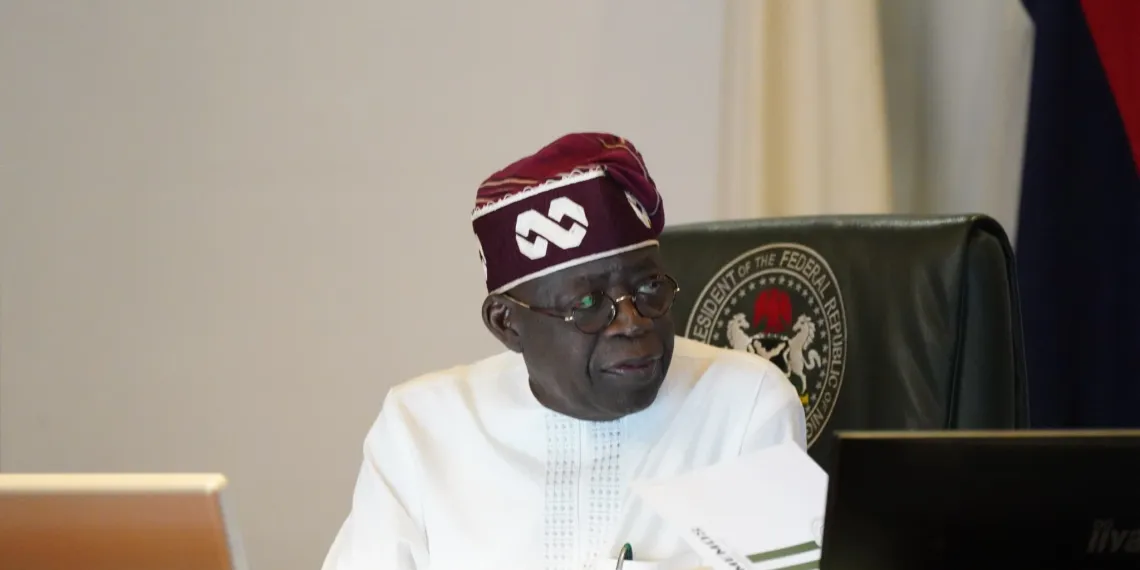
Conclusion as Tinubu govt counters US Congress allegation
As Tinubu govt counters US Congress allegation of religious persecution, the Federal Government continues to defend its record on religious freedom and constitutional rights. Officials maintain that while Nigeria grapples with serious security challenges, there is no evidence of a state policy aimed at persecuting Christians or any other religious community.
The development underscores ongoing discussions between Nigeria and the United States regarding human rights, security cooperation, and diplomatic engagement as Tinubu govt counters US Congress allegation
Click here for more nigeria news