 0
0
 0
0
Britain Under Pressure From Its Closest Ally
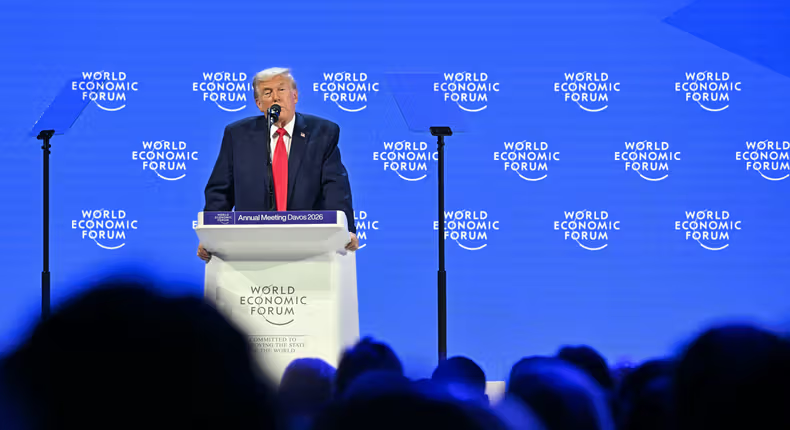
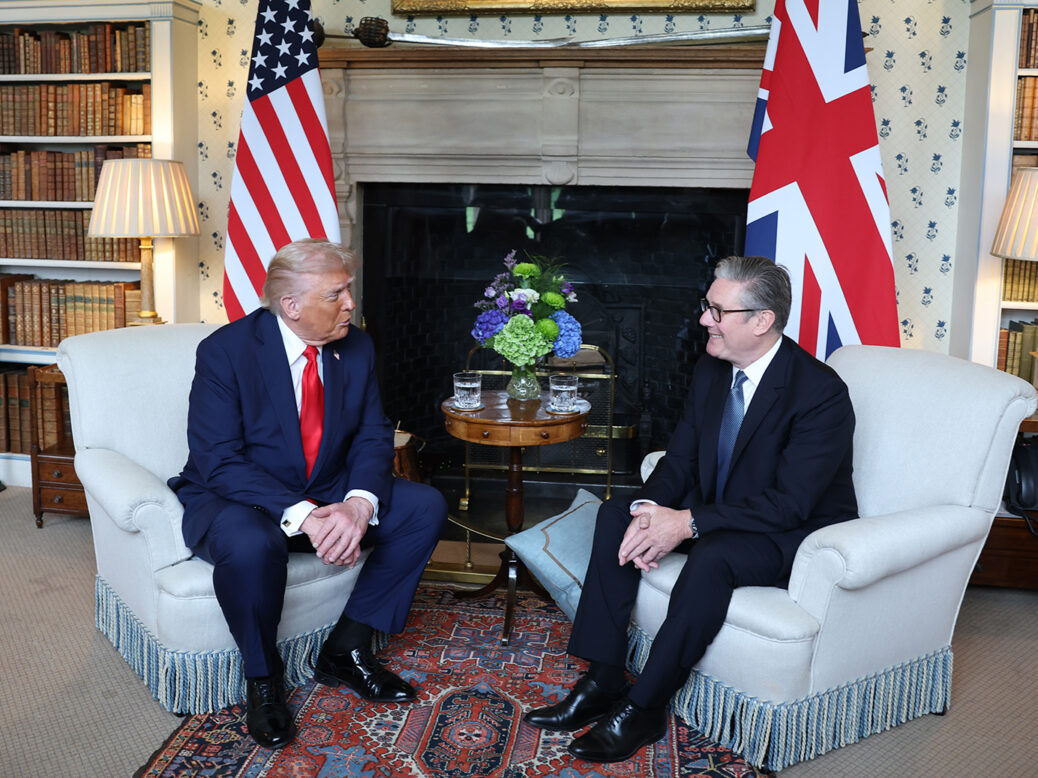
The relationship between Britain and the United States is facing its most serious test in decades. Recent threats of trade tariffs over Britain’s stance on Greenland have raised questions about the balance of power within NATO.
The US president has warned that British exports could face new tariffs unless London supports Washington’s position. The comments have alarmed policymakers and revived debate over Britain’s reliance on American power.
Greenland Dispute Exposes NATO Tensions
The dispute over Greenland highlights deeper issues inside NATO. The alliance presents itself as a partnership of equals. However, pressure on allies over territorial ambitions challenges that idea.
European leaders have voiced concern, but the episode shows how quickly unity can fracture when US interests take priority. For Britain, the situation raises doubts about whether NATO can protect smaller members from political and economic pressure.
NATO and the Structure of Dependence
NATO was designed to ensure collective defense. Over time, it has also tied member states closely to US military systems. Command structures, weapons standards, and procurement policies all center on American technology.
As defense spending rises, much of the money flows to US arms manufacturers. European arms imports from the United States have grown sharply in recent years. Britain follows the same pattern.
Costly Defense Choices
Britain’s reliance on US equipment has proven expensive. Major defense programs rely on American supply chains and long term contracts. Audits have shown rising costs and limited returns.
This dependence means that increased defense spending often benefits foreign firms rather than domestic industry. Critics argue that this reduces investment in public services that directly support national security and social stability.
Sovereignty and Military Footprint
The United States maintains a large military presence in Britain. These bases form part of a global network that supports US operations. While officials stress cooperation, questions remain about how much control Britain truly holds.
Even the nuclear deterrent depends on US systems for maintenance and deployment. This reality complicates claims of full strategic independence.
Foreign Policy and Public Consent
Britain’s alignment with US foreign policy has shaped major conflicts over the past decades. Many of these decisions faced strong public opposition. Despite this, the policy direction remained unchanged.
Public opinion continues to favor a more cautious approach to arms exports and military involvement. However, decision making often reflects elite consensus rather than popular demand.
Economic Influence Beyond Defense
US influence extends beyond security into Britain’s economy. American investors hold large shares of UK assets across infrastructure, housing, and utilities. Profits often flow overseas, while domestic costs rise.
This economic dependence reinforces political alignment and limits policy flexibility. Critics argue that it weakens long term national resilience.
Rethinking Britain’s Global Role
The pressure over Greenland has renewed calls for Britain to reassess its alliances. Some argue that true security requires stronger domestic investment and more balanced international partnerships.
This approach would not replace one dominant power with another. Instead, it would aim for cooperation based on mutual respect and shared interests.
A Moment of Choice
The current dispute offers a clear signal. Dependence can create vulnerability. Britain now faces a choice between maintaining the status quo or redefining its role on the global stage.
The outcome may shape its security, economy, and sovereignty for decades to come.