 0
0
 0
0
Spanish train drivers began a nationwide strike on Monday over safety concerns following two deadly rail accidents last month.
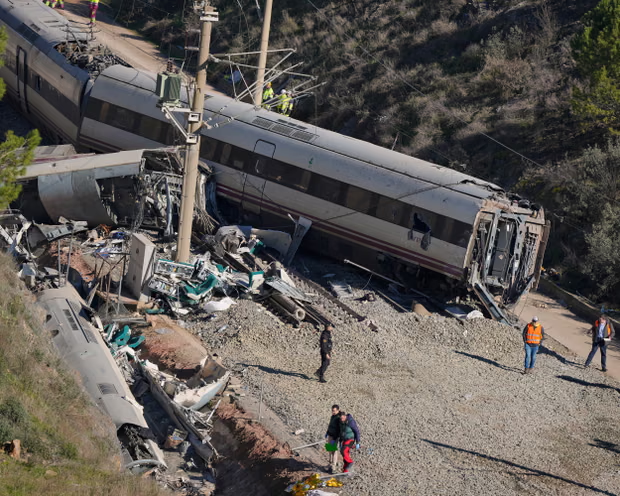
On January 18, two high-speed trains collided after one derailed, killing 46 people, including the driver. Authorities believe the crash may have been caused by a track issue.
Two days later, part of a retaining wall collapsed onto tracks in front of a commuter train in Barcelona during a storm, killing the driver.
Strike Disrupts Services Across Spain
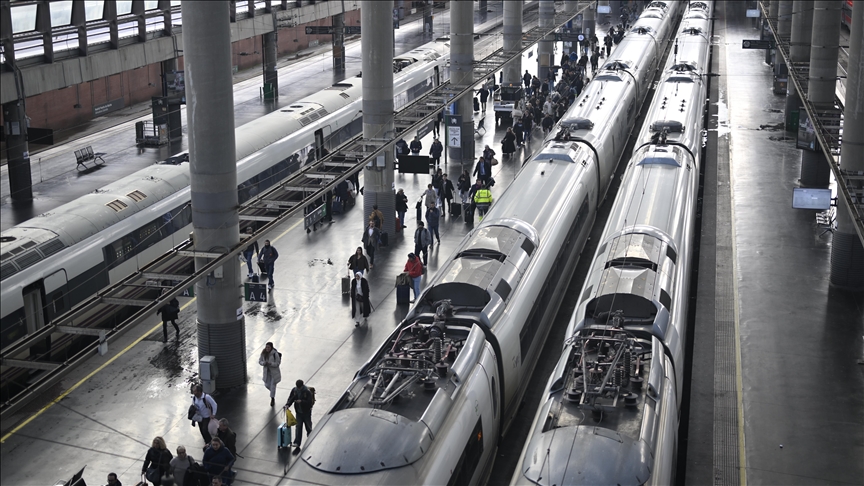
The three-day strike, organized by rail unions across Renfe and other state-owned operators, has caused widespread cancellations and delays. Long-distance routes and commuter services, especially in Catalonia, are most affected.
Around 350 high-speed trains are canceled through Wednesday, according to El Pais. Minimum service levels for commuter lines range from 50% to 75%, with Catalonia operating at 33% to 66%.
Renfe reported that about 12% of its workforce joined the strike during the morning shift. Unions said participation among drivers not required to work minimum services was nearly 100%.
Safety Demands and Negotiations
Unions are calling for increased investment in rail safety and maintenance, along with new diagnostic and prevention measures across Spain’s national rail network.
Authorities urged travelers to use alternative transport as delays grow at major stations. Union representatives and the Transport Ministry are scheduled to hold further talks to reach an agreement.