 0
0
 0
0
The Russia Ukraine Geneva talks have concluded without a breakthrough, leaving both sides far apart on political and military issues as the war approaches its fourth anniversary. The negotiations, organized by the United States in Switzerland, were the third round of direct talks following previous meetings in Abu Dhabi earlier this year that officials described as constructive but ultimately inconclusive.
Ukrainian President Volodymyr Zelensky described the talks as “difficult” during a phone call with his delegation after the negotiations ended. He accused Russia of attempting to prolong discussions while continuing its military offensive. Kremlin adviser Vladimir Medinsky, leading the Russian delegation, called the meetings “difficult but businesslike,” and Kremlin spokesman Dmitry Peskov said it was “too early” to discuss outcomes.
Both sides confirmed a new round of talks will take place, signaling that diplomacy, while slow, remains active.
Progress on Military Issues Despite Political Stalemate
While the Russia Ukraine Geneva talks failed to produce a political breakthrough, some progress was reportedly made on military issues. Discussions focused on potential mechanisms for monitoring a ceasefire and ensuring compliance on the front lines.
President Zelensky noted that Ukrainian and Russian armed forces considered how a future truce might be observed, with participation from the United States to monitor operations. U.S. envoy Steve Witkoff tweeted that Washington’s peace efforts have “brought about meaningful progress” over the past year, though he did not elaborate.
For more on U.S. involvement in Ukraine negotiations, see our coverage of international diplomatic efforts.
Ongoing Military Clashes and Civilian Impact
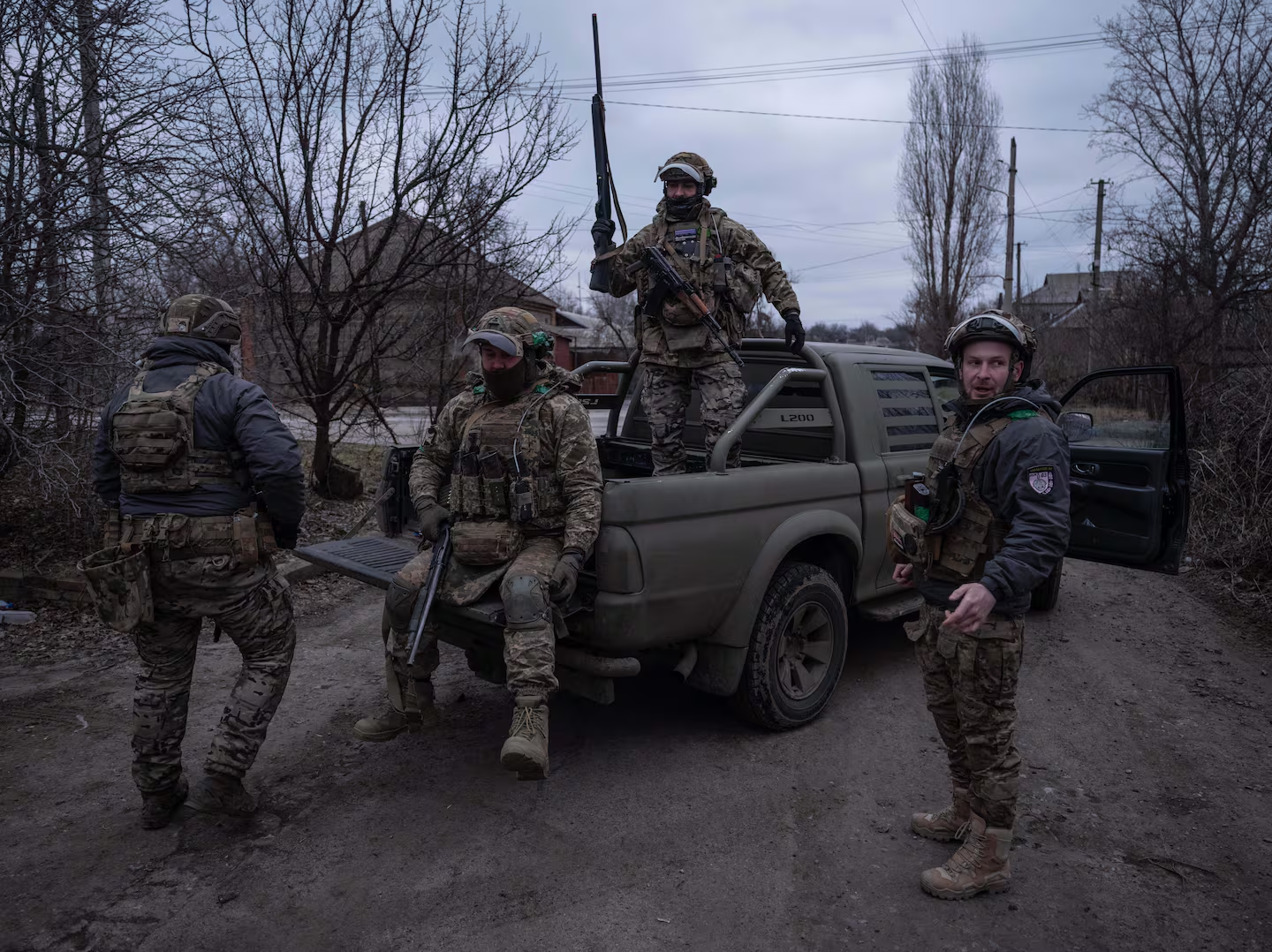
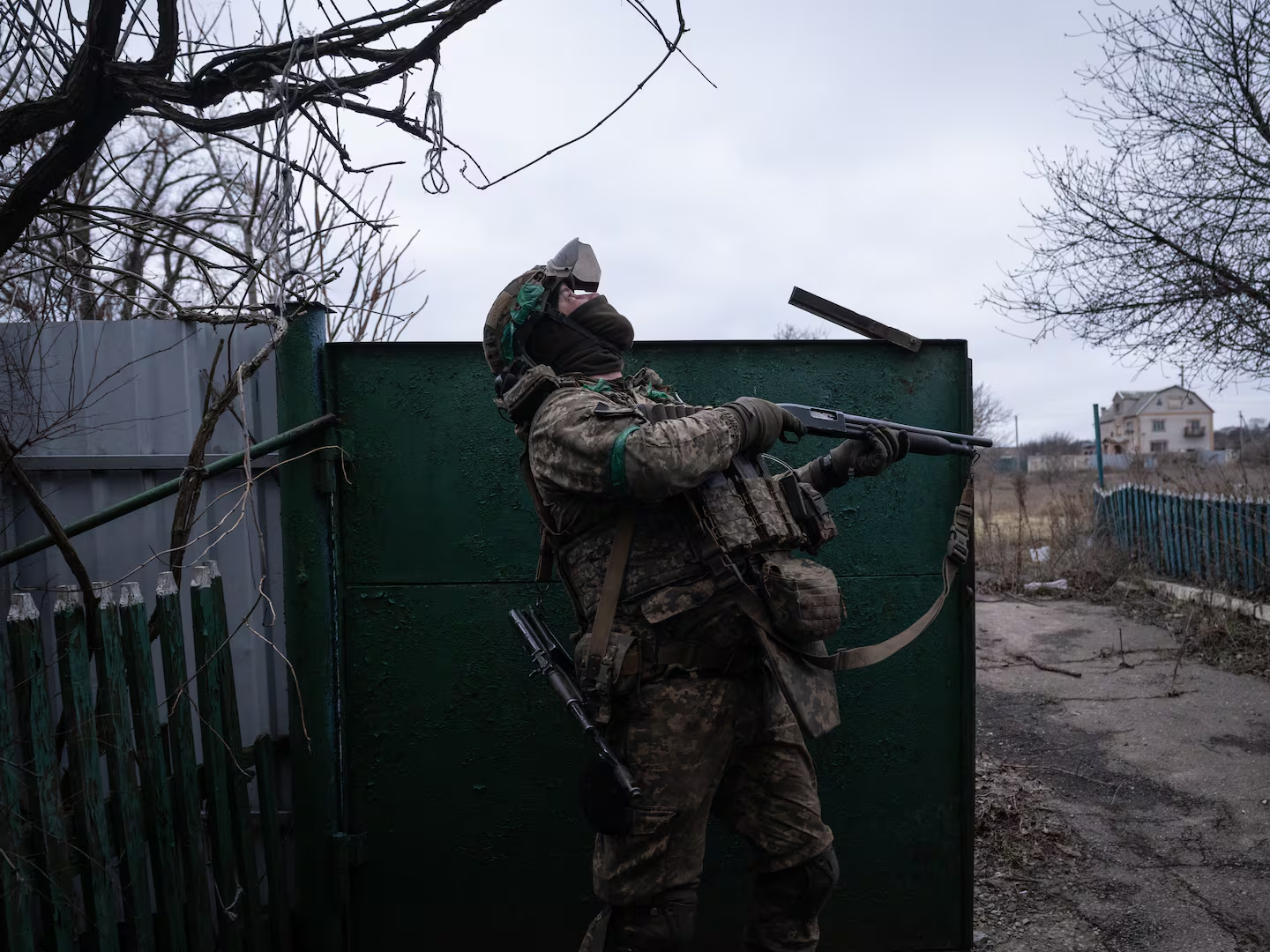
The Geneva talks took place amid ongoing hostilities. Russian forces continue shelling civilian areas and frontline positions, underscoring the fragile situation. Hours after the first day of negotiations, Russian drones killed a woman and injured two children in the southern city of Zaporizhzhia.
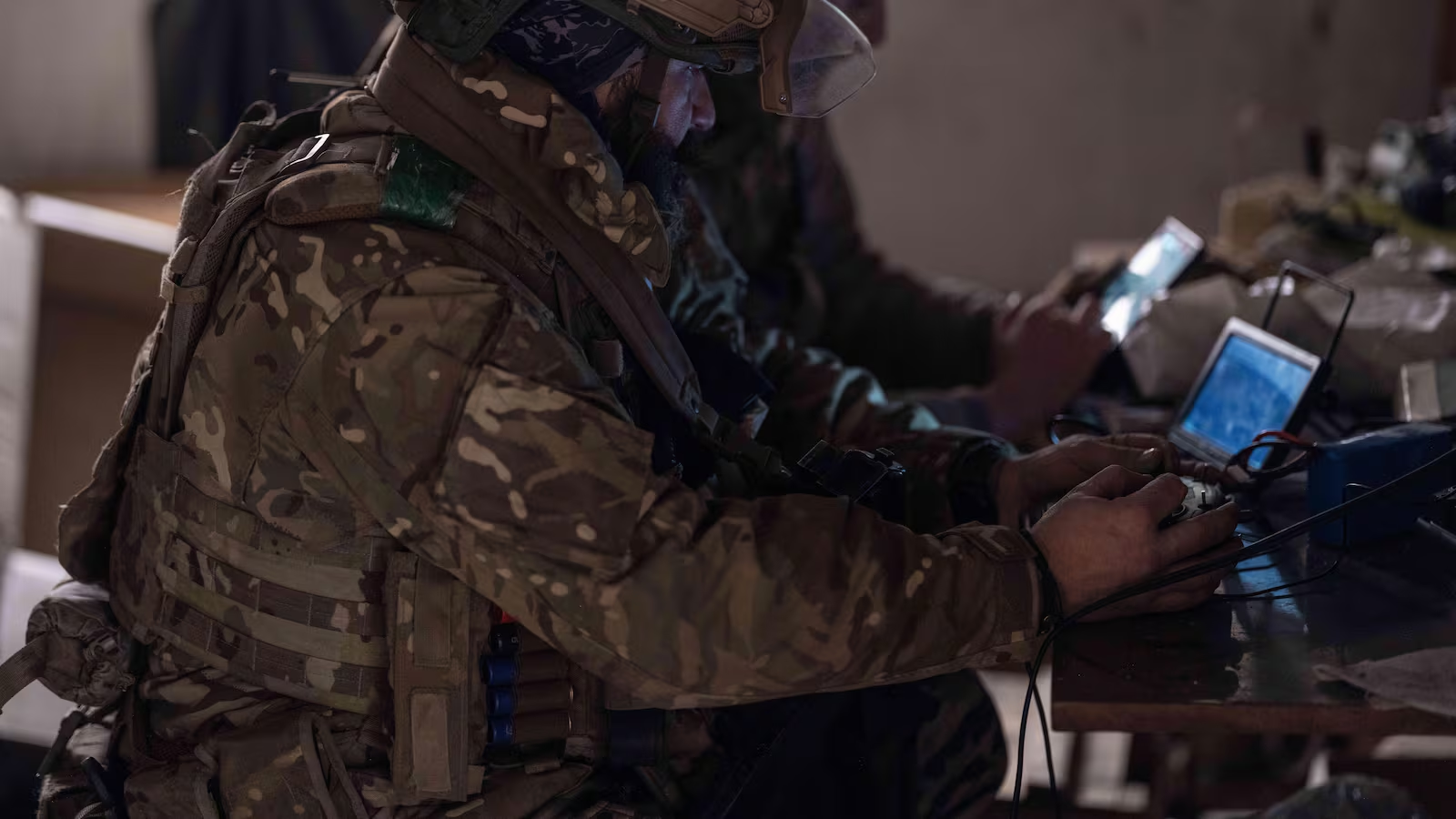
The Ukrainian Air Force reported overnight attacks, including one ballistic missile and 126 long-range drones. Ukrainian soldiers continue to operate under hazardous conditions near Kostyantynivka in the Donetsk region, using drones to resupply troops on the front line.
For further details on the front-line situation, see our article on Ukraine military updates.
Political Disagreements Stall Talks
A key factor preventing a breakthrough in the Russia Ukraine Geneva talks is disagreement over political and territorial issues. Moscow continues to demand that Ukraine:
-
Renounce NATO membership
-
Reduce the size of its armed forces
-
Protect Russian language and cultural influence in occupied regions
-
Withdraw Ukrainian forces from four Russian-occupied territories
Zelensky reaffirmed that Ukraine will not surrender territory and offered both a ceasefire and a face-to-face meeting with Vladimir Putin. However, Moscow insists on a broader settlement before considering a truce.
The political divide highlights the challenge of achieving a lasting settlement. For historical context, see our analysis of Russia’s objectives in Ukraine.
Multilateral Involvement and European Role
European nations actively participated in Geneva, including representatives from the United Kingdom, France, Germany, Italy, and Switzerland. President Zelensky emphasized that Europe’s involvement is “indispensable” due to the broader implications for regional security.
Ukrainian envoy Rustem Umerov said working groups were focused on clarifying the parameters and mechanisms for implementing decisions, covering both military and political tracks. Discussions also addressed prisoner-of-war exchanges and the release of civilian detainees.
Europe’s engagement reflects the importance of a coordinated approach, with leaders mindful of Russian ambitions. For more on European diplomacy, see our article on EU responses to the Ukraine crisis.
Civilian and Humanitarian Concerns
The ongoing conflict, coupled with stalled negotiations, continues to take a toll on civilians. Infrastructure damage, energy shortages, and casualties remain widespread. Humanitarian agencies have called for the protection of civilians, particularly in regions under frequent bombardment.
The Geneva talks included discussions on humanitarian corridors and prisoner exchanges, but the broader political disagreements overshadow these efforts. Our report on humanitarian impact in Ukraine highlights the daily challenges faced by civilians.
Historical Context of Ukraine-Russia Negotiations
The Russia Ukraine Geneva talks are part of a long line of diplomatic efforts that have taken place since Russia’s full-scale invasion on February 24, 2022. Previous rounds, including meetings in Abu Dhabi and international forums, have produced minor agreements on prisoner exchanges but failed to resolve core territorial and security issues.
Historically, the conflict has seen attempts at ceasefires, many of which have collapsed under renewed military pressure. The Geneva talks continue this pattern of challenging diplomacy, reflecting the deep mistrust between Kyiv and Moscow. For more, see our timeline of Ukraine peace negotiations.
Outlook for Future Talks
Despite the lack of a breakthrough, both sides have signaled willingness to continue negotiations. Analysts note that bridging differences over territorial control, security guarantees, and political recognition will remain the most significant challenges.
President Zelensky and his team emphasized ongoing consultations with international partners to ensure any potential agreements are feasible and enforceable. Moscow’s demands, however, remain fundamentally at odds with Ukraine’s territorial integrity, suggesting that future talks may also face limited immediate success.
Key Takeaways
-
Russia Ukraine Geneva talks ended without political breakthrough
-
Military discussions included potential ceasefire monitoring with U.S. involvement
-
Frontline clashes and drone attacks continue to affect civilians and troops
-
Core disagreements remain over NATO membership, territorial control, and political settlements
-
European nations played an active role in facilitating negotiations
-
Both sides agreed to continue talks, but substantial gaps remain
The Russia Ukraine Geneva talks illustrate the complexity of diplomacy amid ongoing conflict, with progress limited by deep political differences and continuing hostilities.
For More News, Please Visit Our Homepage