 0
0
 0
0
RSF Commanders US Sanctions were announced this week as the United States intensified pressure on Sudan’s paramilitary Rapid Support Forces over alleged atrocities committed during the 18 month siege of El Fasher in North Darfur.
The US Treasury Department and State Department confirmed sanctions against three senior commanders accused of war crimes, ethnic killings, torture and widespread sexual violence during the prolonged battle for the city. The move comes amid growing international scrutiny of the conflict in western Sudan.
According to US officials, the sanctioned individuals are members of the Rapid Support Forces whose units were involved in grave human rights abuses during the siege and eventual takeover of El Fasher in October.
Background to the El Fasher Siege
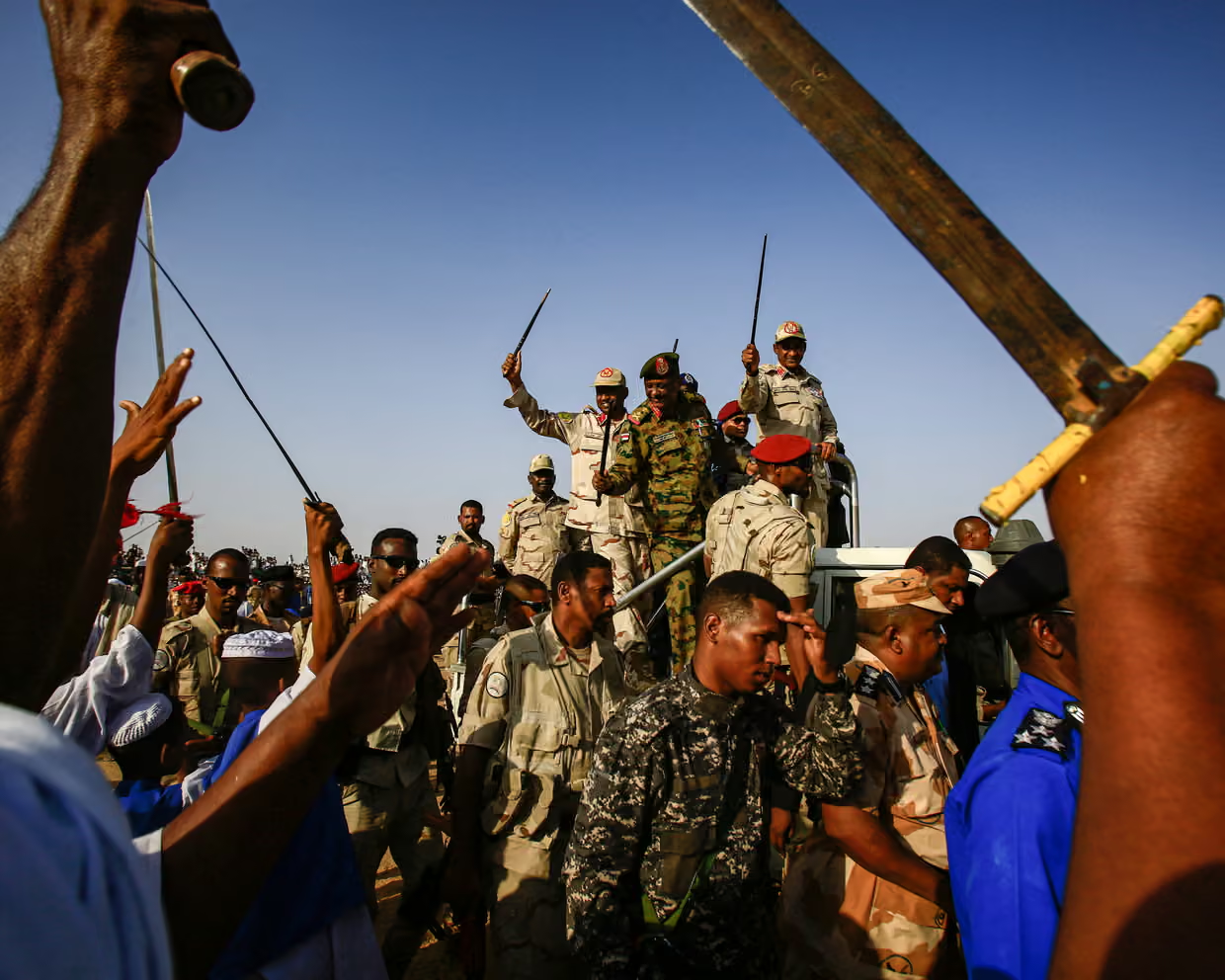
El Fasher, the capital of North Darfur, became a major battleground after fighting erupted in April 2023 between Sudan’s army and the Rapid Support Forces. Over the following months, RSF fighters surrounded the city, leading to heavy clashes, bombardment and severe humanitarian consequences.
The siege ended in late October when RSF forces seized control of El Fasher after months of encirclement. Local and international organizations reported widespread civilian casualties and displacement.
United Nations investigators later warned that actions by RSF fighters during the takeover bore what they described as the hallmarks of genocide, further intensifying calls for accountability.
What the Sanctions Mean
Under the RSF Commanders US Sanctions, any assets belonging to the designated individuals that fall under US jurisdiction are frozen. American citizens and entities are prohibited from conducting financial transactions with them.
The sanctions also apply to companies or organizations owned at least 50 percent by the listed commanders. These measures are designed to isolate individuals accused of serious human rights violations and limit their access to international financial systems.
The US Treasury, through its Office of Foreign Assets Control, stated that the three commanders played central roles in directing operations during the siege. Officials cited reports of ethnically targeted killings, starvation tactics, torture and sexual violence.
Al Fateh Abdullah Idris Adam Known as Abu Lulu
One of the individuals named under the RSF Commanders US Sanctions is Al Fateh Abdullah Idris Adam, widely known as Abu Lulu.
US officials accused him of personally participating in executions during the El Fasher siege. According to Treasury statements, he allegedly interrogated captured Sudanese soldiers, demanded disclosure of tribal affiliations and forced detainees to chant pro RSF slogans before executing them.
The US government also referenced allegations that he was involved in the March 2024 execution of detainees at the Al Jaili refinery north of Khartoum.
Videos that circulated during the Darfur conflict reportedly showed Abu Lulu celebrating battlefield killings and claiming responsibility for numerous deaths. In late October, the RSF announced that he had been detained for investigation following the takeover of El Fasher, although no public findings have been released.
Maj Gen Jedo Hamdan Ahmed Mohammed Known as Abu Shouk
The second commander sanctioned under the RSF Commanders US Sanctions is Maj Gen Jedo Hamdan Ahmed Mohammed, commonly referred to as Abu Shouk.
He has served as RSF commander in North Darfur since 2021. According to US authorities, fighters under his leadership were directly involved in the siege and capture of El Fasher.
Treasury officials accused forces under his command of mass killings, abductions, torture and gender based violence. Reports indicate that he was filmed at a former Sudanese Armed Forces base after RSF forces took control of the city, a presence US officials said connected him to operational command in the area.
Al Tijani Ibrahim Musa Mohammed Known as Al Zeir Salem
The third individual targeted in the RSF Commanders US Sanctions is Al Tijani Ibrahim Musa Mohammed, also known as Al Zeir Salem.
He emerged as a prominent RSF field commander after conflict broke out in April 2023. The US Treasury stated that he directed forces attacking El Fasher from the southern axis of the city.
Officials accused him of overseeing operations that included killings, torture, abductions and sexual violence against civilians. Footage released during the final days of the battle reportedly showed him wounded but publicly declaring that RSF forces would enter the city.
Broader US Sanctions on RSF Leadership
The RSF Commanders US Sanctions are part of a broader pattern of US measures targeting RSF leadership. Since the start of the war between the Sudanese army and the Rapid Support Forces, Washington has sanctioned senior figures including RSF leader Mohamed Hamdan Dagalo, known as Hemedti, along with members of his inner circle.
US officials have repeatedly stated that accountability for war crimes and crimes against humanity remains a priority.
Humanitarian Crisis Deepens
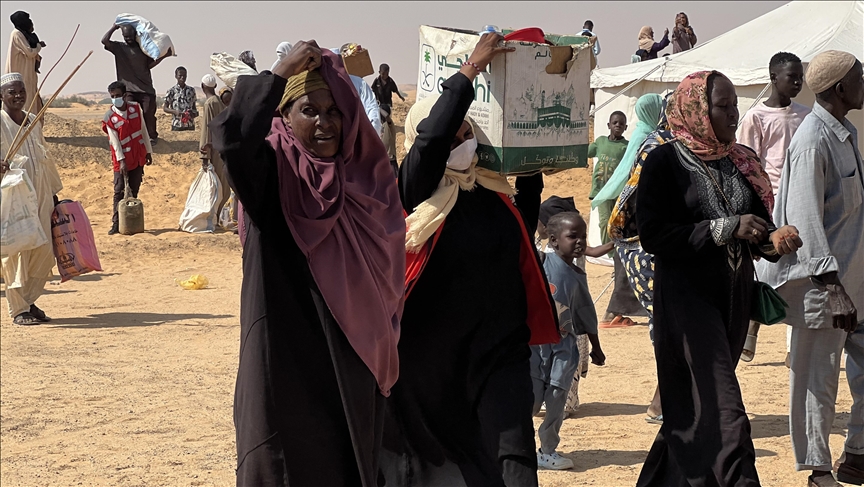
Beyond Darfur, fighting has intensified in Sudan’s Kordofan states in recent weeks. Aid agencies report that tens of thousands have been displaced as violence spreads.
The conflict between the Sudanese Armed Forces and the RSF has created what humanitarian organizations describe as one of the world’s most severe crises. Displacement camps continue to expand, and access to food, medical care and clean water remains limited in many areas.
The RSF Commanders US Sanctions signal increased international pressure amid ongoing instability. However, observers note that the impact of sanctions on the ground remains uncertain as clashes continue across multiple regions.
International Scrutiny and Future Outlook
The United States has emphasized that the sanctions are intended to promote accountability and deter further abuses. International investigators and human rights organizations continue documenting alleged violations committed during the El Fasher siege and in other parts of Sudan.
As diplomatic efforts attempt to address the conflict, the humanitarian situation remains critical. The coming months are expected to determine whether increased international measures, including sanctions, can influence developments on the ground.
For now, the RSF Commanders US Sanctions represent one of the strongest recent actions taken by Washington in response to the violence in Sudan.
For more news pls visit our homepage