
 0
0
 0
0
Nigeria green cooling systems are gaining strong policy attention as the Federal Government intensifies efforts to address ozone layer depletion through the adoption of energy efficient and environmentally friendly cooling technologies. The initiative focuses on promoting green procurement practices and reducing the environmental impact of refrigeration and air conditioning systems across the country.
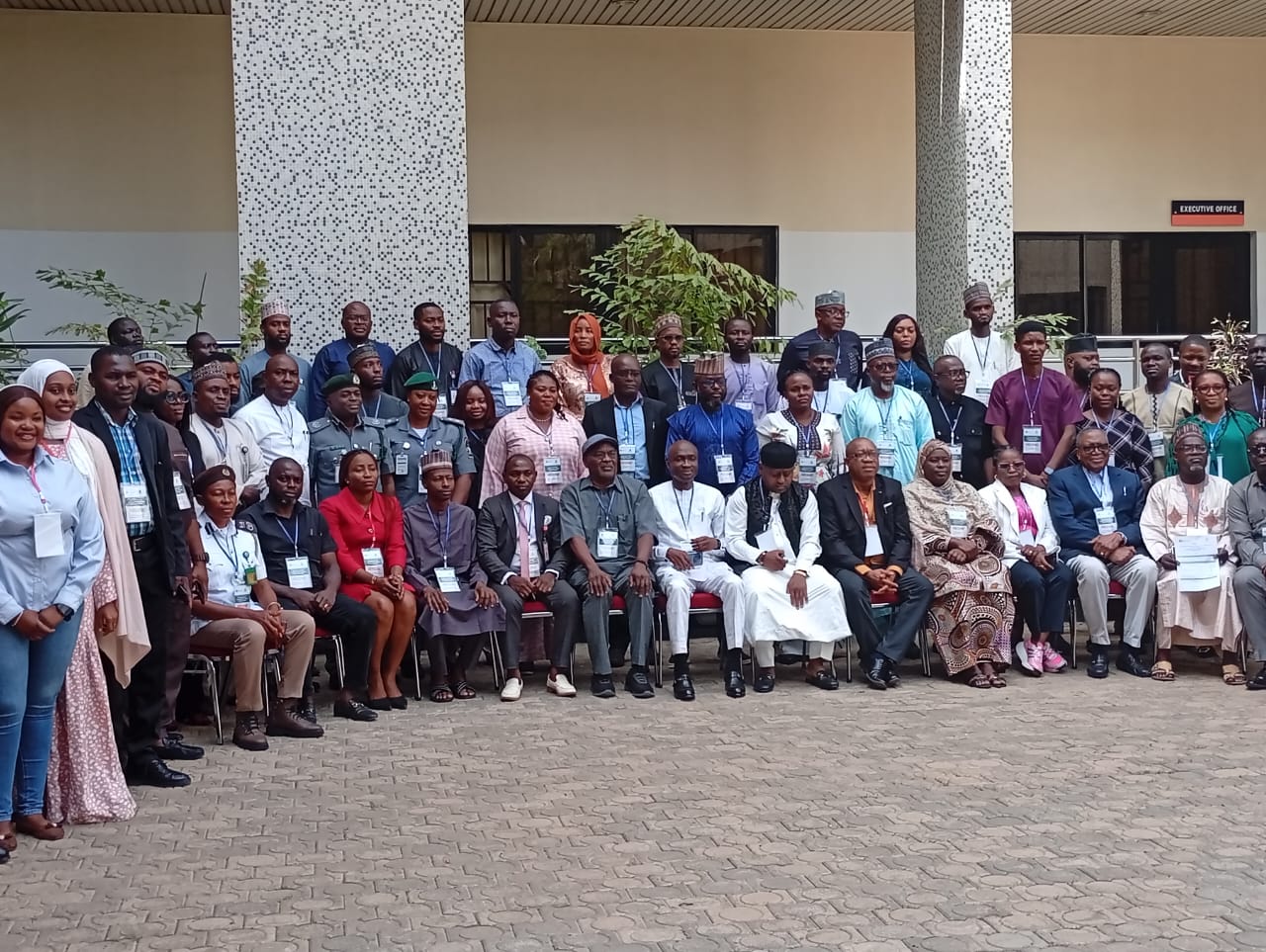
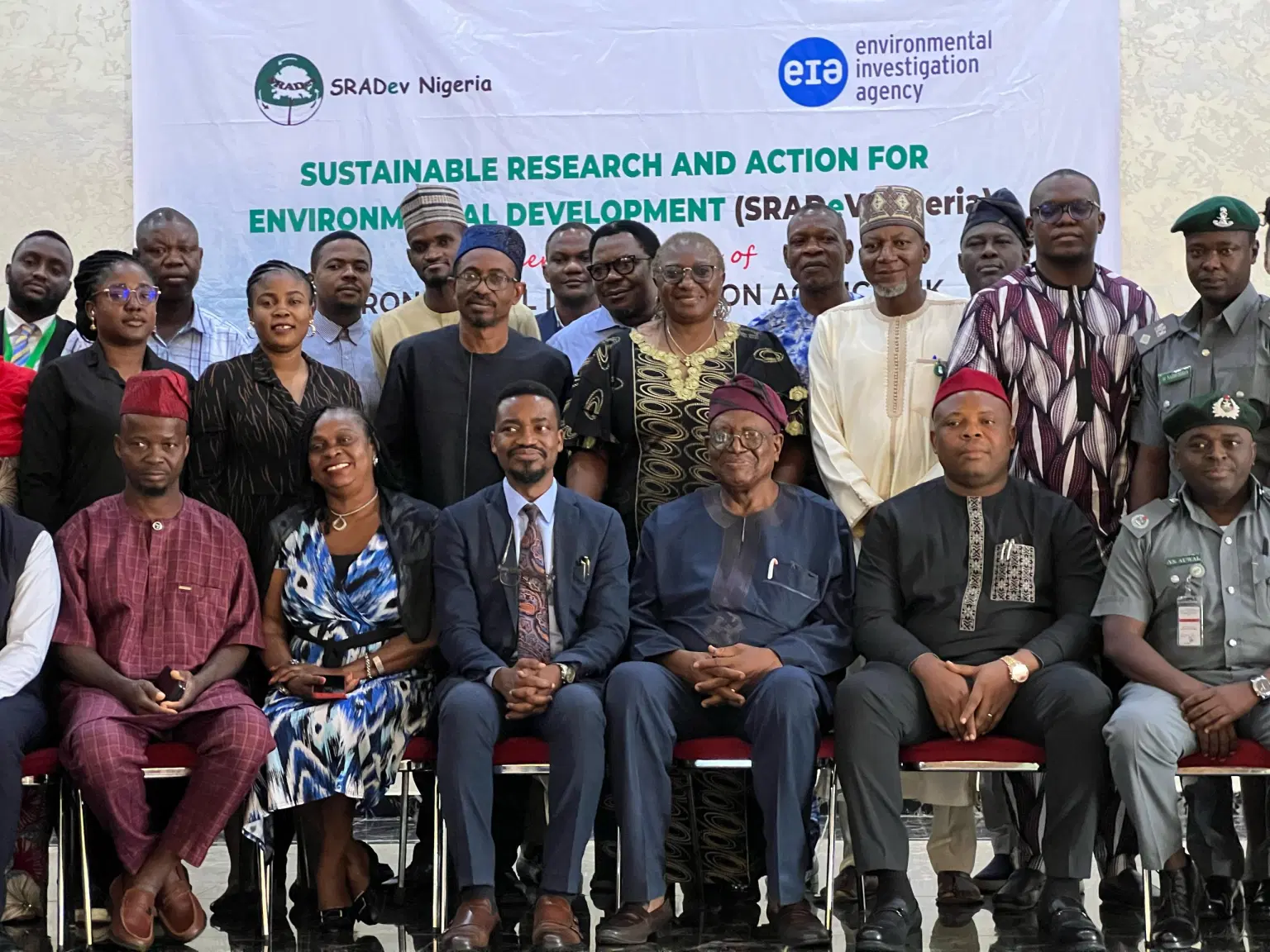
The development was announced by Nigeria’s Minister of Environment, Balarabe Lawal, during a two day Capacity Building Workshop on Green Procurement for Sustainable Cooling Systems held in Abuja. The minister was represented by Idris Abdullahi, Director of the National Ozone Office.
Nigeria Green Cooling Systems and Environmental Protection
According to the Ministry of Environment, green procurement involves purchasing goods and services that have reduced environmental effects throughout their lifecycle compared with conventional alternatives. The approach encourages energy conservation, environmental protection, and sustainable public sector spending.
The minister explained that cooling systems are essential for modern economic and social activities. Facilities such as hospitals, laboratories, schools, offices, and food preservation systems rely heavily on refrigeration and air conditioning to function effectively.
However, existing cooling technologies often consume excessive electricity and use refrigerants that contribute to ozone depletion and climate change. In many buildings, refrigeration and air conditioning systems account for between 40 and 60 percent of total electricity consumption, making them a significant contributor to energy demand.
The Federal Government’s strategy focuses on replacing inefficient equipment with energy efficient alternatives that use low Global Warming Potential refrigerants. These changes are expected to reduce emissions, improve energy efficiency, and support national climate goals.
International Climate Commitments and Policy Direction
Nigeria’s transition toward sustainable cooling aligns with global environmental agreements such as the United Nations Environment Programme backed Montreal Protocol, which Nigeria has ratified. The treaty is widely recognised for its role in protecting the ozone layer by phasing out harmful substances.
The minister also highlighted the Kigali Amendment, which provides a framework for reducing the use of hydrofluorocarbons. These chemicals, commonly used in cooling systems, are known for their high global warming impact.
Officials noted that implementing these international commitments requires strong policy reforms and the integration of green procurement principles into government purchasing decisions. Public sector procurement is viewed as a powerful tool for influencing market behaviour and encouraging environmentally responsible production.
Role of Partnerships in Sustainable Cooling
The initiative involves collaboration between the Federal Ministry of Environment and Sustainable Research and Action for Environmental Development in partnership with the National Ozone Office. The partnership aims to promote rapid action to reduce emissions from fluorinated greenhouse gases and ozone depleting substances.
Environmental stakeholders emphasised that many developing countries are currently navigating the transition away from ozone depleting substances and fluorinated gases. This shift is considered essential for achieving sustainable and climate friendly alternatives in the refrigeration and air conditioning sector.
A representative of the Environmental Investigation Agency, Tom Nickson, noted that government decisions on sustainable cooling technologies would shape environmental outcomes for decades. He explained that public procurement has the capacity to drive the adoption of energy efficient solutions, reduce greenhouse gas emissions, and encourage sustainable industry practices.
Building Capacity and Policy Awareness
Dr Leslie Adogame, Executive Director of Sustainable Research and Action for Environmental Development, stressed the importance of strengthening national awareness and institutional capacity for green procurement. He said policymakers must explore opportunities for reforms that support the integration of sustainable cooling systems into Nigeria’s broader climate action strategies.
Efforts are also being supported by international financial institutions. A representative of the African Development Bank, Gerald Njume, noted that the bank continues to play a key role in supporting Nigeria’s climate and green growth initiatives.
Meanwhile, Yusuf Kilani, Special Adviser to the President on Climate Matters, described the workshop as timely, noting ongoing efforts by the government to achieve environmental sustainability across multiple sectors.
Economic and Social Benefits of Nigeria Green Cooling Systems
Beyond environmental protection, the adoption of Nigeria green cooling systems is expected to deliver economic and public health benefits. Energy efficient technologies can reduce electricity consumption, lower operational costs for businesses, and improve access to reliable cooling services.
Sustainable cooling also plays a critical role in food preservation, healthcare delivery, and industrial productivity. By transitioning to environmentally responsible systems, Nigeria aims to strengthen its climate resilience while supporting economic development.
Future Outlook for Sustainable Cooling in Nigeria
The Federal Government’s focus on green procurement and sustainable cooling reflects growing recognition of the need to balance development with environmental responsibility. By promoting energy efficient technologies and complying with international climate agreements, Nigeria seeks to reduce ozone depletion and support global climate action.
Stakeholders at the workshop emphasised that continued collaboration among government agencies, environmental organisations, and international partners will be essential for achieving long term success.
As Nigeria advances its environmental policies, the expansion of green procurement practices and sustainable cooling technologies is expected to play a central role in protecting the ozone layer, reducing emissions, and improving energy efficiency nationwide.
For More news, please visit our homepage