 0
0
 0
0
Overview
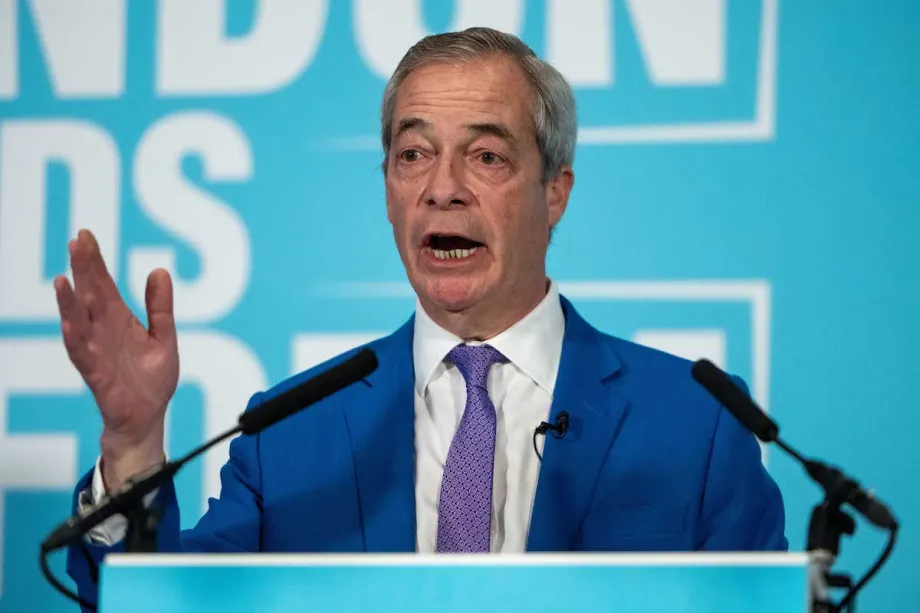
Reform UK leader Nigel Farage is reportedly seeking a meeting with Sheikh Mohamed bin Zayed Al Nahyan (MBZ), the president of the United Arab Emirates (UAE), in a move that could significantly elevate his international standing while strengthening political and financial links with the Gulf state. According to reports, the outreach comes as Farage’s party leads several UK opinion polls, positioning him as a prominent figure ahead of the next general election.
Bid to Boost International Profile
People familiar with the discussions say Farage hopes a meeting with MBZ in the coming weeks would bolster his image as a statesman on the global stage. If successful, it would mark one of his first engagements with a foreign head of state—apart from former U.S. President Donald Trump—since assuming leadership of Reform UK.
Farage is said to have travelled to Abu Dhabi last month on a trip funded by the Emirati government. He is also scheduled to speak at a high-profile media event in Dubai later this month, further underlining the warming relationship between the British populist leader and the UAE.
Shared Hostility to Political Islam
The UAE has increasingly courted Western populist figures who share its opposition to the Muslim Brotherhood and other Islamist movements. Farage has repeatedly stated that he would proscribe the Muslim Brotherhood in the UK if elected to power—a stance that aligns closely with Emirati policy. The UAE has already banned the group and has long lobbied Western governments to follow suit.
Fundraising and Political Networks
Sources within Reform UK say the party is also exploring fundraising opportunities among British expatriates living in the Emirates. To advance these efforts, the party has reportedly leaned on Nadhim Zahawi, a former Conservative minister with longstanding ties to Gulf business interests, to help cultivate Emirati contacts.
Supporters argue that these connections demonstrate Farage’s growing international reach. Critics, however, see them as part of a more troubling pattern.
Allegations of Influence Campaigns
Investigations by journalists and human rights groups have documented how the UAE has worked for years to shape narratives in Europe and North America around Islam and so-called “Islamist extremism.” Critics argue that these campaigns often blur into far-right, anti-Muslim rhetoric.
Abu Dhabi is alleged to have played a central role in transnational efforts to delegitimise Muslim political actors and civil society organisations. Through a network of lobbyists, think tanks, media platforms, and covert influence operations, Emirati-linked actors have reportedly branded Muslim organisations as extremist, justifying surveillance, exclusion, and reputational damage.
Legal and Human Rights Concerns
Human rights lawsuits filed in the United States accuse Emirati officials and affiliated entities of orchestrating smear campaigns and illegal intelligence gathering. One high-profile case is seeking $2.8 billion in damages, alleging the use of “dark PR” tactics to silence critics and destroy reputations.
These concerns have raised alarms among rights advocates, who warn that partnerships between Western political figures and the UAE risk legitimising authoritarian practices abroad while amplifying Islamophobic narratives at home.
Far-Right Praise Fuels Criticism
The controversy intensified this week after far-right activist Tommy Robinson publicly praised the UAE on social media, describing it as a bulwark against a supposed “Islamic NATO.” Robinson, known for his virulent anti-Muslim activism, made a controversial visit to the UAE last month, further fueling criticism of Abu Dhabi’s alliances.
What Comes Next
As Farage continues to court international allies, questions remain about how these relationships could shape Reform UK’s policies and funding—and what they signal about the party’s broader ideological direction. While supporters see a leader building global credibility, critics warn of deepening ties with networks that promote exclusionary and authoritarian agendas.