 0
0
 0
0
The Nigerian Independent System Operator (NISO) confirmed that it restored the national grid, and electricity supply returned to affected areas.

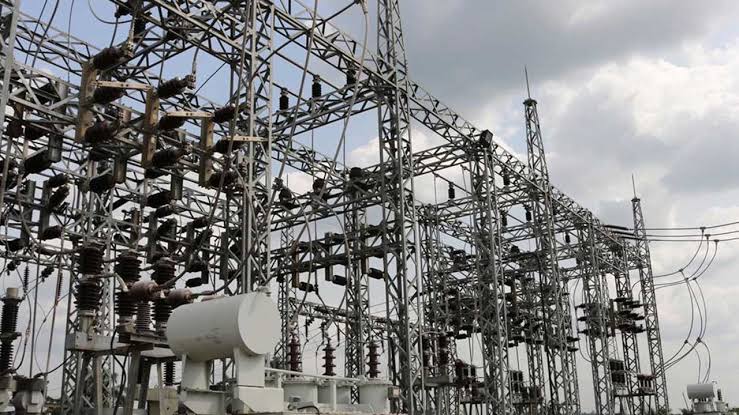
The incident began at approximately 10:48 a.m. on Tuesday at the Gombe Transmission Substation. The voltage disturbance quickly spread to Jebba, Kainji, and Ayede transmission substations.
The disturbance tripped some transmission lines and generating units, causing a partial system collapse. NISO immediately implemented corrective actions and began restoration at 11:11 a.m., successfully stabilizing the grid.
The system operator clarified that the collapse affected only part of the grid and was not a total failure as some reports suggested.
LCCI Urges Forensic Audit
Following the incident, the Lagos Chamber of Commerce and Industry (LCCI) urged the Federal Government to conduct an independent forensic audit of the national grid.
Dr. Chinyere Almona, LCCI Director-General, said the audit should evaluate transmission infrastructure, system protection, operational protocols, and grid management. She stressed that repeated grid failures reveal structural and operational weaknesses in Nigeria’s power system.
Impact on Businesses and the Economy
Almona explained that the collapses disrupted economic activity and affected manufacturers and MSMEs. They lost production hours, suffered equipment damage, faced higher operating costs, and experienced reduced competitiveness.
She added that unreliable power lowers investor confidence, increases inflationary pressures, and undermines economic reforms.
The LCCI estimates that without reforms, Nigeria could experience tens of grid collapses in 2026. However, with immediate upgrades and strict operational discipline, these incidents could reduce to zero, improving grid reliability and supporting economic growth.
Restoring Grid Stability as an Economic Priority
Almona emphasized that reliable electricity is critical for industrialization, competitiveness, and macroeconomic stability. She urged that the government treat grid stability as an economic emergency, not just a technical problem.
She added, “We must understand the causes of these collapses, manage them effectively, and prevent future incidents. Today’s disruptions are unacceptable and require coordinated action to safeguard the economy.”