 0
0
 0
0
The Mitchell Institute released a report calling for a large increase in U.S. Air Force weapons purchases. The move could benefit the defense contractors that fund the organization.
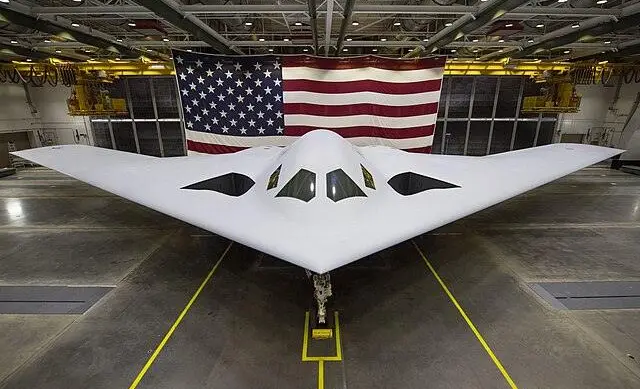
The report, “Strategic Attack: Maintaining the Air Force’s Capacity to Deny Enemy Sanctuaries”, recommends buying 300 F-47 fighter jets and 200 B-21 bombers. The goal is to maintain U.S. air superiority and counter potential threats from China over Taiwan.
Defense Contractors Could Profit
Boeing produces the F-47 and supports the Mitchell Institute. Northrop Grumman, which makes the B-21, is not listed as a supporter. However, companies that supply parts for the B-21, like Pratt & Whitney and BAE Systems, fund the institute. The Mitchell Institute is part of the Air & Space Forces Association (AFA), which also receives funding from Northrop Grumman.
Experts warn that the push for more aircraft could prioritize contractor profits over military readiness.
High Costs and Limited Benefits
The B-21 program is still in testing and production. It could cost taxpayers over $200 billion during its lifespan. Critics argue it offers only small improvements over the B-2 bomber, which remains in service.
The program emphasizes stealth, but past aircraft like the F-22 and F-35 have been detected by some radar systems.
Dan Grazier, director of the National Security Reform Program at the Stimson Center, said, “The B-21 program is a vanity project for a service whose useful lifetime passed long ago.”
F-47 Fighter Concerns
The F-47, also called the Next Generation Air Dominance (NGAD) Platform, was unveiled last year. It was described as “the most advanced and lethal aircraft.”
Experts caution that the program could face problems similar to the F-35. The F-35 has delayed production and is only mission capable about 55% of the time, despite costing over $2 trillion.
Ben Freeman, director at the Quincy Institute, said, “The F-47 is a large manned aircraft at a time when technology favors unmanned, smaller aircraft. By the time it reaches the battlefield, it may already be outdated.”
Financial and Strategic Concerns
Analysts warn that the proposal could add hundreds of billions to the national debt. While it may not improve national security, it could provide large profits to contractors like Boeing and Lockheed Martin.
Mark Thompson, a national security analyst at the Project on Government Oversight, said, “When the president proposes $1.5 trillion for the military next year, the services and their supporters are likely to align spending plans accordingly.”