0
0
 0
0
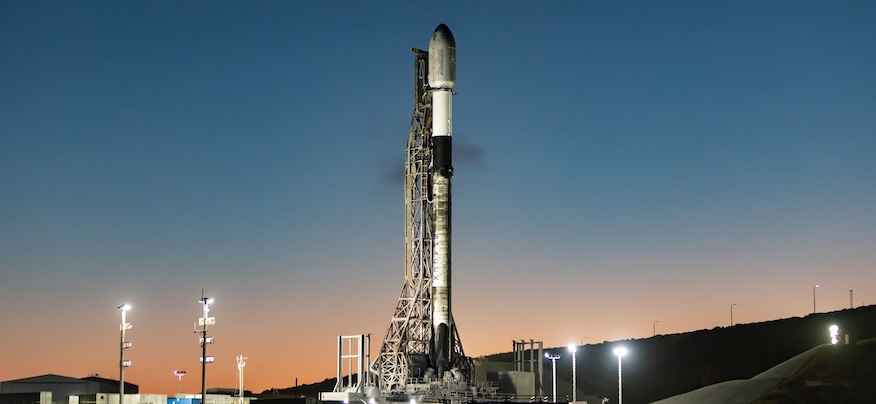
SpaceX is preparing to launch its first West Coast Starlink mission of 2026 as it continues expanding its global satellite internet network. The mission, known as Starlink 17-30, will lift off from Vandenberg Space Force Base in California and place a new batch of satellites into a polar low Earth orbit.
The launch is scheduled for 6:46 p.m. PST (9:46 p.m. EST / 0246 UTC) from Space Launch Complex 4 East (SLC-4E). The Falcon 9 rocket will follow a southerly trajectory after liftoff, a flight path commonly used for polar orbit missions launched from the West Coast.
Expanding the Starlink Network
The Starlink 17-30 mission will deploy 25 Starlink V2 Mini Optimized satellites. These satellites are designed to improve network performance, increase capacity, and support faster internet speeds across underserved and remote regions.
This flight marks SpaceX’s sixth Starlink launch of 2026, reflecting the company’s continued rapid launch cadence. Starlink now consists of thousands of operational satellites and serves millions of users worldwide, including residential customers, businesses, maritime operators, and government agencies.
Veteran Falcon 9 Booster Returns to Flight
SpaceX will use Falcon 9 booster B1093 for this mission. This launch will be the booster’s 10th flight, underscoring SpaceX’s emphasis on rocket reusability.
Booster B1093 previously supported:
-
Two missions for the Space Development Agency
-
Seven Starlink satellite launches
Following stage separation, the booster will attempt a controlled landing aboard the drone ship “Of Course I Still Love You,” stationed in the Pacific Ocean.
The landing attempt is expected about eight minutes after liftoff. If successful, it will mark:
-
The 172nd landing on this drone ship
-
The 562nd orbital booster landing in SpaceX history
Live Coverage and Mission Significance
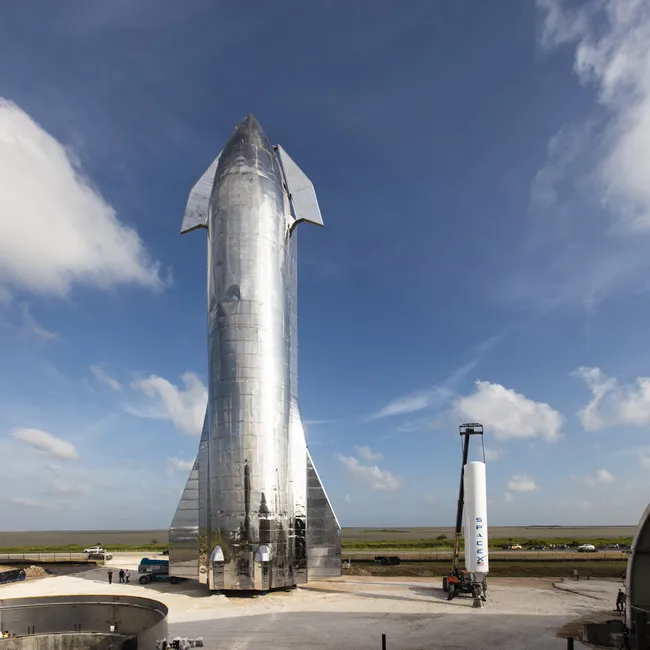
Spaceflight Now will begin live coverage approximately 30 minutes before liftoff, providing real-time updates, launch commentary, and mission milestones.
West Coast launches play a crucial role in SpaceX’s Starlink deployment strategy. Polar orbits allow satellites to cover high-latitude regions, including parts of Alaska, northern Europe, and southern South America. These launches complement SpaceX’s frequent Florida-based missions, which typically target lower-inclination orbits.
As SpaceX continues refining its satellite designs and launch operations, missions like Starlink 17-30 highlight the company’s long-term goal: delivering reliable, high-speed internet access across the globe.