0
0
 0
0
Israel’s parliament has approved a new law that blocks newly trained Palestinian teachers from working in Israeli schools, including those in occupied East Jerusalem. The move has sparked criticism and raised concerns about discrimination and control over education in Palestinian communities.
The Israeli Knesset passed the legislation late Thursday following a final vote backed by Prime Minister Benjamin Netanyahu’s Likud party. Lawmakers approved the bill by 30 votes to 10.
What the New Law Does
The law bans Palestinians who studied at Palestinian Authority–affiliated colleges or universities from applying for teaching jobs in the Israeli education system. This restriction applies only to new applicants. Palestinian teachers already working in Israeli schools will keep their jobs.
Education Minister Yoav Kisch said the law aims to protect Israel’s education system from what he described as “external political influence.” He argued that teachers trained under the Palestinian Authority promote ideas that conflict with Israel’s national values.
“This law prevents individuals educated in Palestinian institutions from entering the Israeli school system,” Kisch said during the debate.
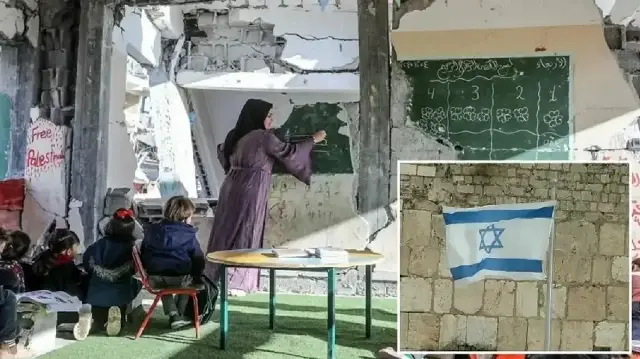
Impact on East Jerusalem Schools
The law also applies to schools in occupied East Jerusalem, an area Israel annexed in 1967. Palestinians living there hold a special residency status rather than full Israeli citizenship.
Critics say the decision deepens inequality in East Jerusalem’s education system. Many Palestinian schools already face staff shortages, overcrowded classrooms, and limited funding. By blocking new Palestinian teachers, the law could worsen these problems.
Human rights groups warn that Israel is tightening control over what Palestinian children learn. They argue the law seeks to reshape education by limiting Palestinian voices in classrooms.
Political and Legal Concerns
Israeli lawmakers supporting the bill described it as necessary for national security and demographic stability. Opponents rejected that argument and called the law discriminatory.
Arab members of the Knesset accused the government of using education as a political tool. They said the law targets Palestinians solely based on where they studied, not on professional qualifications.
International observers may also raise concerns, as East Jerusalem is considered occupied territory under international law. Türkiye and several other countries have repeatedly criticized Israeli policies in the city.
Scale of the Education System
According to Israel’s Knesset Research and Information Center, more than 30,000 new teachers joined Israel’s education system over the past decade. The new law now limits who can enter that workforce based on educational background rather than merit.
Education experts warn that excluding qualified teachers could harm students and reduce educational diversity.
Growing Tensions Over Education
The law adds to broader tensions between Israel and Palestinians over schools, curricula, and cultural identity. Education has become a key battleground, especially in Jerusalem, where control over institutions often reflects wider political disputes.
While Palestinian officials have not yet issued a formal response, the law is expected to face strong opposition from rights groups and international organizations.
For many Palestinians, the move reinforces fears that Israel is seeking greater control over daily life in occupied areas — including who teaches their children and what stories those teachers can tell.