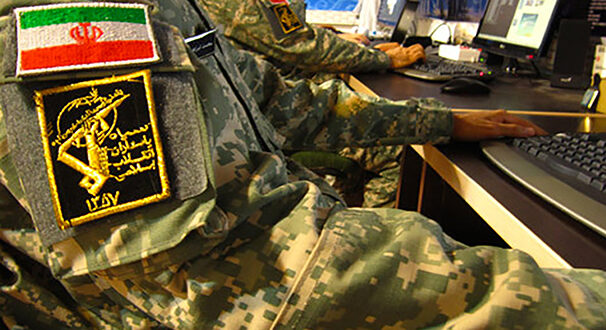
Internet governance in Iran has come under tighter security oversight following recent protests.
0
0
Read Time:6 Minute, 5 Second
IRGC internet controls have entered a new phase following Iran’s recent protest crackdown, with senior security officials confirming expanded efforts to regulate online activity and accelerate the development of the country’s national internet system.
Iran’s Revolutionary Guard Corps intelligence leadership has publicly linked stricter digital oversight to national security concerns. Officials say the new measures are intended to counter what they describe as foreign interference and coordinated unrest conducted through global social media platforms.
The announcement marks one of the clearest confirmations that internet governance in Iran is now directly overseen by security institutions rather than civilian regulatory bodies.
Internet governance in Iran has come under tighter security oversight following recent protests.
IRGC Confirms Leadership Role in Internet Governance
Majid Khademi, the intelligence chief of the Islamic Revolutionary Guard Corps, stated in a published interview that restrictions on foreign social media platforms are part of a broader effort to safeguard national security. According to his remarks, Supreme Leader Ali Khamenei assigned him responsibility for supervising the expansion of Iran’s domestic intranet, commonly referred to as the national internet.
Officials describe the initiative as necessary to protect citizens from external influence. Khademi emphasized what he called proper governance of the internet, framing digital regulation as a defensive measure against destabilization campaigns.
The confirmation that the IRGC is leading this effort highlights the increasing integration of cybersecurity, digital communication, and state security policy in Iran.
What Is the National Internet Project
Iran’s national internet project aims to create a domestically controlled digital infrastructure that can operate independently from the global internet. Authorities argue that the system improves cybersecurity resilience and reduces reliance on foreign technology platforms.
The project has been under discussion for years, but recent unrest appears to have accelerated its implementation. The national internet allows Iranian authorities to maintain internal connectivity even during international internet shutdowns.
During previous periods of unrest, including nationwide protests, access to global platforms was severely restricted while domestic services continued operating.
The expansion of IRGC internet controls appears closely tied to further development of this infrastructure.
Social Media Restrictions and the Sianat Initiative
The term Sianat, which translates to protection, is used by Iranian officials to describe legislation designed to regulate social media usage. The original proposal, often referred to as Sianat One, was approved in 2022 but implementation stalled amid concerns about potential public backlash.
The proposal sought to increase state oversight of foreign platforms such as Instagram, YouTube, and Telegram while encouraging migration to domestic alternatives.
Recent reports in Iranian media suggest that discussions around an updated version informally labeled Sianat Two are underway. This initiative reportedly includes stricter regulation of audiovisual content and expanded authority for state institutions over online broadcasting.
Although no comprehensive nationwide ban on foreign platforms has been formally enacted, access remains inconsistent. Many users rely on virtual private networks to bypass restrictions.
Internet governance in Iran has come under tighter security oversight following recent protests.
January Internet Blackout During Protests
The recent tightening of IRGC internet controls follows a near total internet shutdown imposed during protests on January 8 and 9. During that period, access to global platforms was largely cut off, isolating much of the country from international communication networks.
Human rights organizations and independent media outlets reported casualties, injuries, and detentions during the crackdown. Iranian authorities have maintained that the measures were necessary to restore order and prevent violence.
The blackout demonstrated the government’s capacity to swiftly restrict digital communication during periods of political unrest.
Internet shutdowns have become a recurring tool during moments of heightened tension. Authorities argue they are temporary and targeted. Critics contend they restrict access to information and limit freedom of expression.
Security Framing of Online Platforms
Khademi described foreign social media platforms as tools that can be used to organize hostile activities and encourage what he called urban terrorism. He did not provide specific evidence in his remarks but emphasized the importance of preventing coordinated disruption.
Iranian officials have long argued that online platforms facilitate foreign backed influence operations. The framing of digital regulation as a national security priority reflects a broader shift in policy language over the past decade.
Under this approach, cybersecurity and political stability are treated as interconnected issues.
Expanding Role of State Broadcasters
Reports indicate that expanded IRGC internet controls could grant increased authority to the Islamic Republic of Iran Broadcasting organization over digital audiovisual content.
IRIB already holds a legal monopoly over traditional broadcasting within Iran. Proposed changes may extend regulatory influence over certain types of online media production and distribution.
If implemented, this would further centralize oversight of digital content.
However, final legislative decisions remain under review by several governing bodies, including parliament and the Supreme National Security Council.
Impact on Iranian Users
Despite official restrictions, many Iranians continue to access global platforms through VPN services. Messaging applications and social media remain essential tools for business, education, and personal communication.
Technology analysts note that the coexistence of domestic platforms and global access through circumvention tools creates a complex digital environment.
While authorities promote local alternatives, user adoption has varied. Some domestic platforms have gained traction, particularly during blackout periods, but global services retain strong popularity.
The expansion of IRGC internet controls may further influence how individuals and businesses navigate the digital landscape.
Regional and International Reactions
International observers are closely monitoring developments related to internet governance in Iran. Digital rights groups frequently express concern about shutdowns and expanded surveillance measures.
At the same time, governments worldwide are increasingly debating questions of online regulation, platform accountability, and national cybersecurity.
Iran’s approach reflects its own political and security priorities, but it also forms part of a broader global conversation about state control of digital infrastructure.
For updates on Middle East developments, explore our <a href=”/middle-east-news”>Middle East News coverage</a>.
Internet Governance as National Security Strategy
The integration of IRGC internet controls into broader security planning underscores the strategic importance of digital infrastructure in modern governance.
Authorities have repeatedly described internet management as essential to maintaining public order and defending against foreign influence. The January blackout and subsequent policy discussions suggest that digital regulation will remain a central element of Iran’s domestic security framework.
Whether further restrictions will be formally enacted remains to be seen. However, official confirmation of the IRGC’s direct involvement signals that internet governance decisions are increasingly shaped by security considerations rather than purely regulatory ones.
What Comes Next
Policy discussions surrounding expanded internet oversight are ongoing. Any significant legislative changes would require coordination among multiple state institutions.
Analysts expect continued investment in the national internet infrastructure, including domestic data centers and alternative digital services.
As Iran navigates internal challenges and external pressures, IRGC internet controls are likely to remain a defining feature of the country’s digital policy landscape.
Key Takeaways
IRGC internet controls have expanded following recent protests
Security officials link social media regulation to national defense
The national internet project is accelerating under senior oversight
Internet shutdowns remain a central tool during unrest
Legislative discussions on expanded oversight continue
Stay updated with the latest verified global security and technology stories on BlaqLoaded.
Gunfight in Ogun as Suspected Smugglers Attack Customs Officials The Nigeria Customs Service (NCS) in Ogun has confirmed that its officers were attacked by suspected […]
NiDCOM condemns killing of Nigerian in India over romantic dispute The Nigerians in Diaspora Commission (NiDCOM) has condemned the killing of a Nigerian citizen, Mr. […]
A chieftain of the All Progressives Congress (APC), Joe Igbokwe, has strongly dismissed claims by former Kaduna State Governor Nasir El-Rufai that the ruling party […]



 0
0
 0
0