 0
0
 0
0
The government of Ghana has suspended citizenship applications for people of African descent as it reviews and plans changes to the process.
Officials say the pause is meant to make the system more accessible and easier to use. The government has not announced when applications will reopen.
Background of the Citizenship Program
Since 2016, Ghana has allowed people who can prove African ancestry to apply for citizenship. The policy mainly targets descendants of Africans displaced during the transatlantic slave trade.
More than 1,000 members of the African diaspora have gained Ghanaian citizenship in recent years. High profile recipients include African American musician Stevie Wonder.
The program forms part of Ghana wider effort to reconnect with Africans worldwide.
Complaints Over Process and Cost
Some applicants have raised concerns about the complexity and cost of the application process.
Applicants must submit several documents, including DNA evidence, within a short time. According to diaspora advocacy groups, many people struggle to meet the one week deadline for providing DNA results and other paperwork.
There are also concerns about the reliability of DNA testing and whether the timeframe is realistic.
Fees and Requirements
The application fee currently stands at 136 dollars. Shortlisted applicants must then pay an additional 2,280 dollars.
After screening, applicants attend a one day citizenship orientation. Successful candidates receive citizenship at a formal ceremony overseen by the president.
Diaspora representatives say these requirements discourage otherwise eligible applicants.
Government Response and Uncertainty
The Ghanaian government says it will release updated timelines and guidelines in due course. No specific date has been given.
The suspension has caused uncertainty for members of the diaspora planning to relocate, invest, or start businesses in Ghana.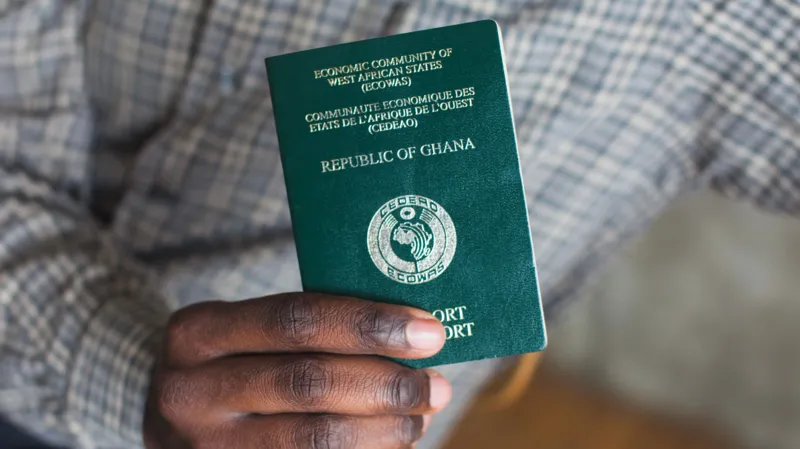
Pan African Roots and Economic Impact
Ghana outreach to the African diaspora dates back to the Pan African vision of the country first president, Kwame Nkrumah.
The initiative gained renewed global attention in 2019 during the Year of Return campaign. Since then, diaspora communities have invested in real estate, agriculture, technology, and small businesses.
Many seek citizenship to own property, vote, and access public services.
Several African countries, including Benin and Sierra Leone, also offer citizenship or residency to people of African descent based on verified ancestral ties.