 0
0
 0
0
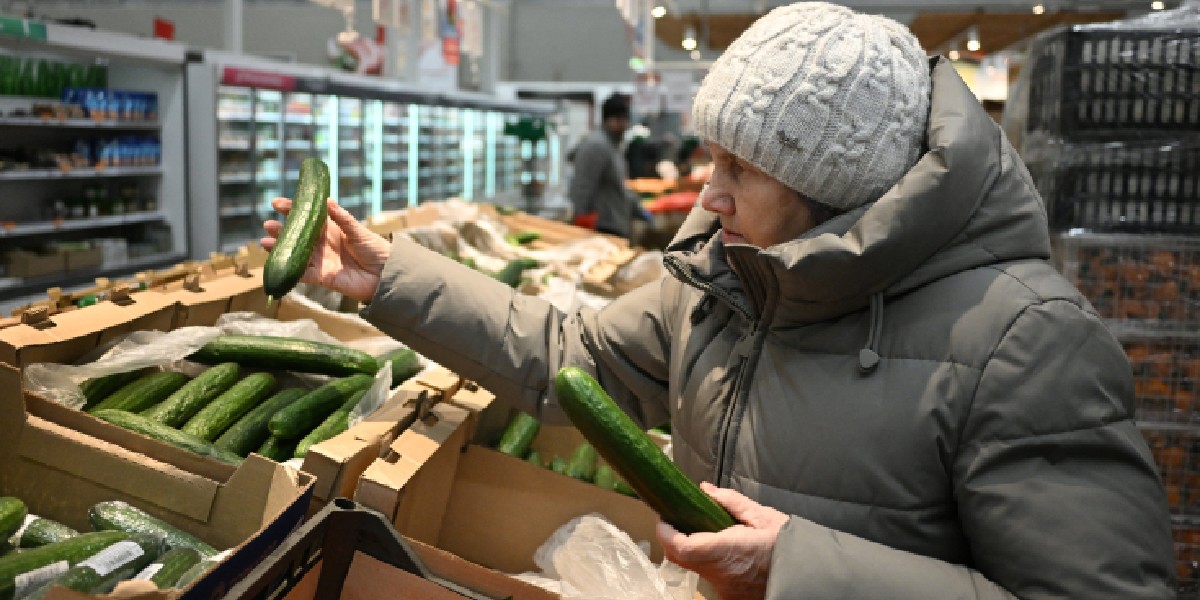
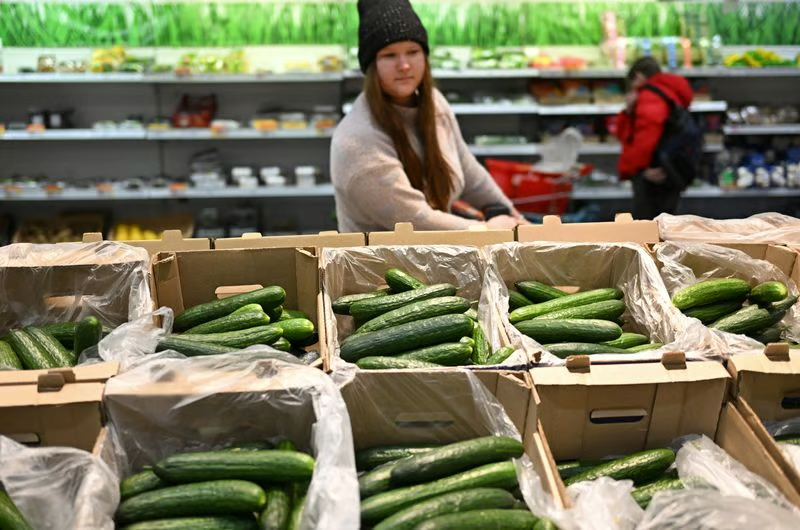
Cucumber price surge Russia has angered shoppers as the staple doubles in cost across the country, becoming the latest symbol of wartime inflation. Russian consumers now pay over 300 roubles (S$4.95) per kilogram, with some stores charging two to three times that amount. Social media is flooded with photos showing the skyrocketing prices, prompting both politicians and regulators to respond.
Why Cucumber Prices Are Skyrocketing
According to Sergei Mironov, parliamentary leader of the Just Russia party, “This winter, a new delicacy has appeared in our shops — cucumbers.” Officials from the Ministry of Agriculture cited seasonality as the reason for the steep price increases. Mironov compared the current situation to last year’s “golden potatoes,” highlighting a pattern of wartime food inflation affecting basic staples.
Producers have reassured consumers that the cucumber price surge Russia may ease next month as warmer weather improves supply. Authorities have addressed similar spikes for other food products, and so far, social media complaints have not threatened broader social stability.
Economic Factors Behind the Cucumber Price Surge
The increase in cucumber prices coincides with broader inflationary pressures in Russia. Overall prices have risen by 2.1% since the start of the year, partially due to higher value-added taxes. Rising costs for utilities, fuel, and everyday groceries are adding to the burden faced by households. With the central bank forecasting annual inflation of up to 5.5%, ordinary Russians are feeling the financial pinch more acutely than ever.
Experts believe that Russia cucumber prices may gradually stabilize as warmer weather arrives and crop yields improve, though geopolitical tensions and wartime disruptions to supply chains could continue to keep prices high in the short term. Analysts note that Russia has historically experienced seasonal spikes in staple goods during winter months, but the current inflationary environment has intensified the effect.
Political Response to Cucumber Price Surge Russia
The sudden spike in cucumber prices has drawn the attention of lawmakers across Russia. Sergei Mironov, leader of the Just Russia party, criticized the Ministry of Agriculture’s explanation that the surge was due to seasonality, pointing out that a similar justification was given for last year’s “golden potatoes.” Mironov emphasized that ordinary consumers are struggling to afford basic staples, saying, “What are people supposed to do? Just accept that they can’t afford the most basic foods?”
The anti-monopoly regulator has also written to retailers and producers, requesting a detailed explanation for the increases. Lawmakers from both the Communist Party and Just Russia are urging the government to cap retail mark-ups on essential food items.
Social Media Amplifies the Issue
Many Russians have taken to social media to voice their frustration over cucumber price surge Russia. Users have compared cucumbers to previously “golden” items like eggs and potatoes, highlighting the ongoing trend of skyrocketing food costs. Some supermarkets, particularly in Siberia, have restricted the number of cucumbers that a single shopper can purchase to prevent hoarding.
In response, newspapers and online platforms have encouraged citizens to grow cucumbers at home, providing tips and even seeds to readers. This grassroots approach reflects a broader effort to adapt to rising wartime prices while maintaining access to fresh produce.
Regional Variations in Cucumber Price Surge Russia
The impact of the cucumber price surge varies across Russia. While major cities like Moscow and St. Petersburg see prices above 300 roubles per kilogram, rural areas report slightly lower costs, though availability remains limited due to transportation challenges. In Siberia, where imports of fresh vegetables are more expensive, some shoppers are paying up to 900 roubles per kilogram.
Supermarkets in these regions have introduced purchase limits and loyalty programs to manage supply. For those interested in growing cucumbers at home, the government and local newspapers provide guides on domestic cultivation.
Consumer Advice and Coping Strategies
Consumers are advised to monitor local markets for deals and consider alternative vegetables to manage household expenses. Community gardening initiatives and home cultivation of cucumbers are gaining popularity, especially in regions where supermarket prices are prohibitive. Some online forums and local social media groups have even formed “seed exchange” networks to help residents grow their own produce.
For more tips on managing rising food prices, readers can visit World Food Programme.
Outlook for Russian Consumers
While producers expect prices to stabilize with seasonal changes, the immediate impact on households is significant. Analysts warn that rising food prices combined with ongoing inflation may continue to challenge Russian consumers in the coming months.
For more news, please visit our Homepage