 0
0
 0
0
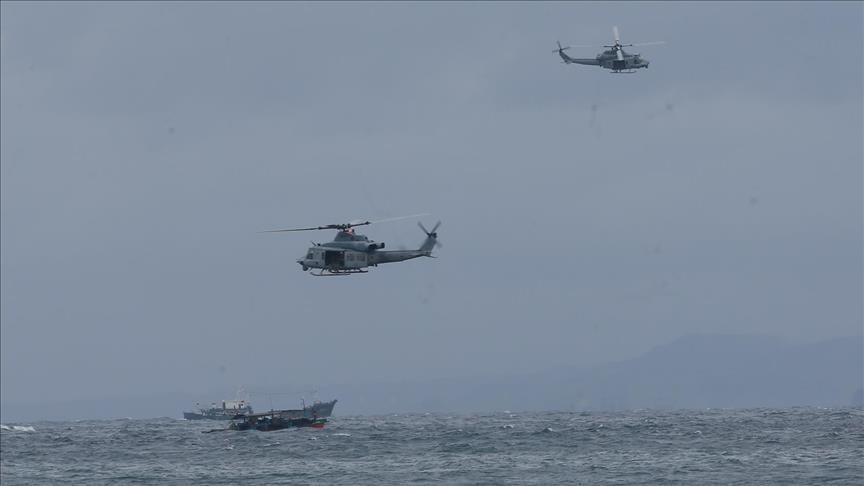
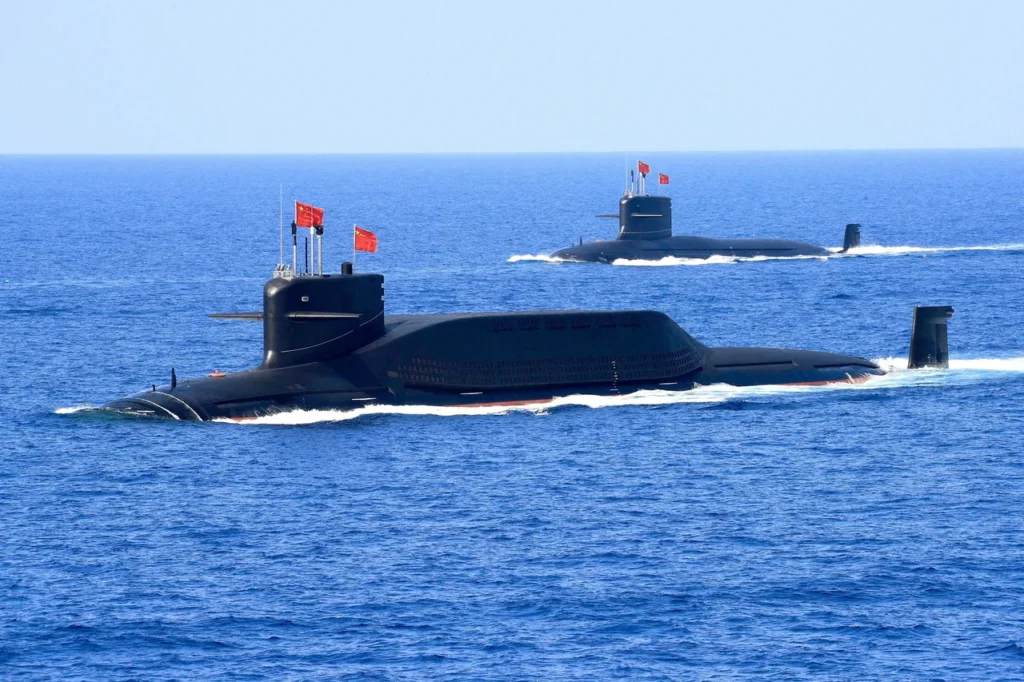
China combat readiness patrols in South China Sea were conducted on Sunday and Monday, according to Chinese state media, as tensions continue in the disputed maritime region. The naval and air patrols were carried out by units under the Southern Theater Command of the Chinese military.
State run Xinhua News Agency reported that the patrols were confirmed by Zhai Shichen, spokesman for the People’s Liberation Army Southern Theater Command. The operations involved coordinated naval and air forces operating in contested waters.
Patrols Conducted Over Two Days
According to the official statement, China combat readiness patrols in South China Sea took place across two consecutive days. The exercises were described as measures aimed at strengthening military preparedness and safeguarding national interests.
The Southern Theater Command is responsible for overseeing operations in the South China Sea, a region marked by overlapping territorial claims. The latest China combat readiness patrols in South China Sea come amid renewed friction involving regional actors.
While Chinese authorities did not provide detailed operational specifics, the patrols reportedly included warships and military aircraft conducting coordinated maneuvers.
Response to Joint Patrol Activities
In the statement cited by Xinhua News Agency, spokesman Zhai Shichen criticized the Philippines for organizing what he described as joint patrols with countries outside the region. He stated that such actions had undermined peace and stability in the South China Sea.
Zhai emphasized that China would take necessary steps to safeguard what it considers its territorial sovereignty and maritime rights. He further stated that the military would firmly uphold regional peace and stability.
The China combat readiness patrols in South China Sea appear to be positioned as a response to increasing multinational military cooperation in the contested waters.
Ongoing Territorial Dispute With Philippines
China and the Philippines have experienced repeated tensions in recent years over competing claims in the South China Sea. The maritime area is strategically important due to its shipping routes, fisheries, and potential energy resources.
The Philippines maintains claims over parts of the sea that overlap with China’s expansive territorial assertions. Diplomatic protests, maritime standoffs, and coast guard confrontations have occurred periodically between the two nations.
The latest China combat readiness patrols in South China Sea follow similar exercises conducted last month, when Chinese forces carried out combat readiness drills involving warplanes and warships in the same region.
Strategic Importance of the South China Sea
The South China Sea is one of the world’s busiest maritime corridors, with a significant portion of global trade passing through its waters. Several Southeast Asian nations, including Vietnam, Malaysia, and Brunei, also have territorial claims in the region.
Military activities in the South China Sea often draw international attention, especially when they involve large scale naval and air deployments. China combat readiness patrols in South China Sea are typically framed by Beijing as defensive measures aimed at protecting sovereignty.
However, neighboring countries and external powers have expressed concerns over rising militarization in the region. The United States and its allies frequently conduct freedom of navigation operations to challenge territorial claims they consider excessive.
Regional Stability and Security Outlook
The recent China combat readiness patrols in South China Sea underscore the fragile security balance in the region. As military exercises continue, diplomatic engagement remains a key factor in managing tensions.
China’s Southern Theater Command has reiterated its commitment to safeguarding maritime rights while maintaining regional stability. At the same time, disputes over territorial boundaries continue to shape interactions between Beijing and Manila.
Observers note that recurring patrols and joint exercises from multiple sides may contribute to heightened alert levels but have so far stopped short of direct military confrontation.
The situation in the South China Sea remains dynamic, with developments closely monitored by regional governments and global stakeholders.
For more news, please visit Blaqloaded homepage