 0
0
 0
0
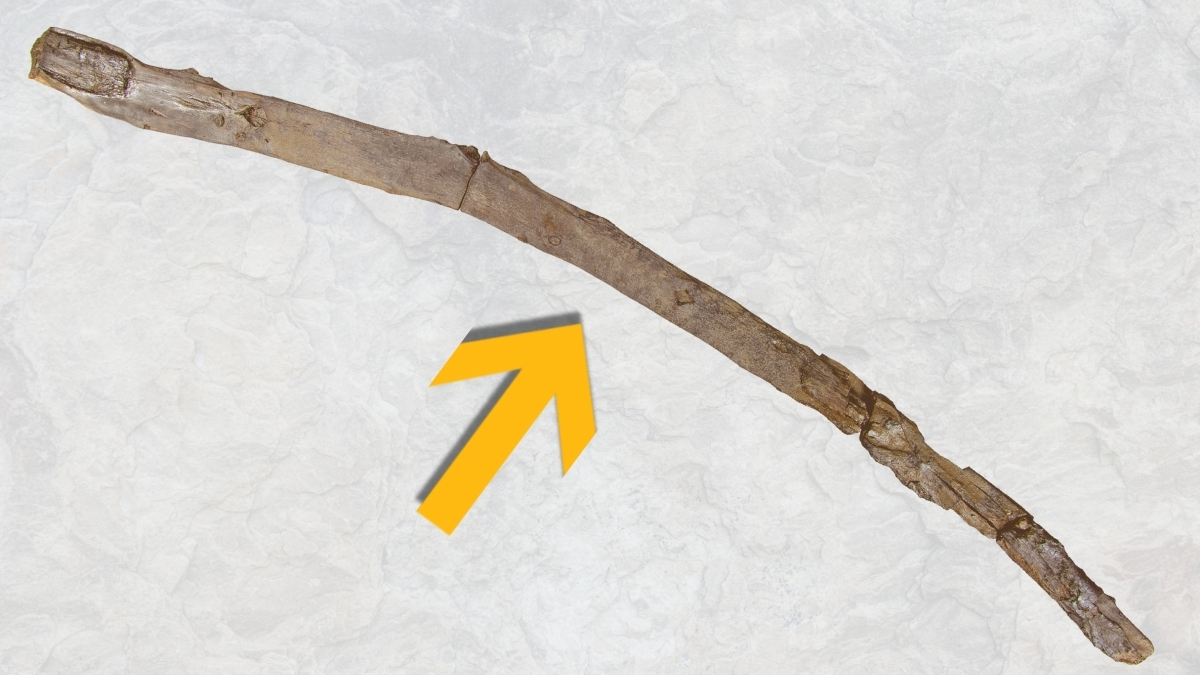
Archaeologists have uncovered two wooden tools in Greece dating back 430,000 years, making them the oldest known wooden tools to date. One tool is a long, spindly stick about 2 1/2 feet (80 centimeters) long, possibly used for digging in mud. The other is a smaller, handheld piece of willow or poplar wood, which may have been used to shape stone tools.
Why Wooden Tools Are Rare
While early humans used a variety of tools made from stone, bone, and wood, wooden artifacts are rarely found. Wood decays quickly, so preservation requires special conditions, such as ice, caves, or wet environments. The Greek site, in the Megalopolis basin, likely preserved these tools because they were buried quickly by sediment in a wet environment.

Insights From the Site
Previous discoveries at this site include stone tools and elephant bones with cut marks, hinting at complex behaviors. Although the wooden tools themselves were not directly dated, the site’s overall age of 430,000 years provides a reliable estimate for the tools’ age.
Who Made the Tools?
Human remains have not been found at the site, so the exact makers are unknown. They could have been Neanderthals, early human ancestors, or other prehistoric humans.
Significance of the Discovery
These tools offer a rare glimpse into the technology of early humans. Unlike stone tools, wooden tools are less immediately recognizable and harder to interpret. However, they highlight how early humans used a variety of materials to survive. Similar tools include ancient spears from Germany and 300,000-year-old digging sticks from China.

Conclusion
The discovery of these 430,000-year-old wooden tools in Greece provides important insight into the creativity and adaptability of early humans. It shows that early humans relied on wood as well as stone to craft tools for daily survival.