0
0
 0
0
Portugal is heading into a high-stakes presidential election as voters cast ballots in a race that could see a far-right candidate reach a runoff for the first time in the country’s modern democratic history.
Polling suggests André Ventura, leader of the far-right Chega party, is leading the first round of voting. However, analysts expect him to lose in a second-round contest regardless of his opponent.
A Tight and Unusual Election
This election marks a potential break from tradition. For the first time in more than 40 years, no candidate is expected to win outright in the first round, which requires over 50 percent of the vote.
Among the 11 candidates running, only five are considered serious contenders:
-
André Ventura of Chega
-
Socialist candidate António José Seguro
-
Liberal lawmaker João Cotrim Figueiredo
-
Conservative government-backed candidate Luís Marques Mendes
-
Retired admiral Henrique Gouveia e Melo
If no candidate secures a majority, the top two will advance to a runoff scheduled for February 8.
Far Right Influence Under Scrutiny
Ventura’s strong showing reflects the growing influence of the far right in Portugal. In last year’s parliamentary election, Chega won 22.8 percent of the vote, becoming the largest opposition party.
Political analysts say Ventura is using the presidential race as a test of national popularity, with an eye on a future bid for prime minister.
A strong performance by Chega could increase pressure on Portugal’s minority government, which depends on the party’s support to pass some policies.
Role of the Presidency
While Portugal’s president holds no direct executive power, the office plays a key role during political crises. The president can dissolve parliament, call elections, or dismiss a prime minister when necessary.
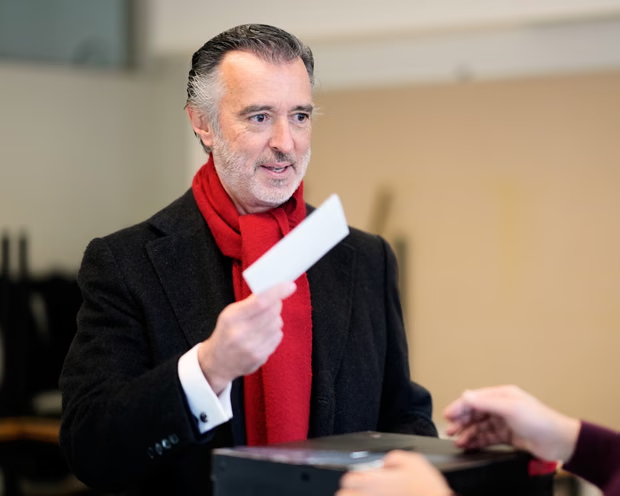
Polling stations opened nationwide on Sunday morning, with exit polls expected in the evening.