


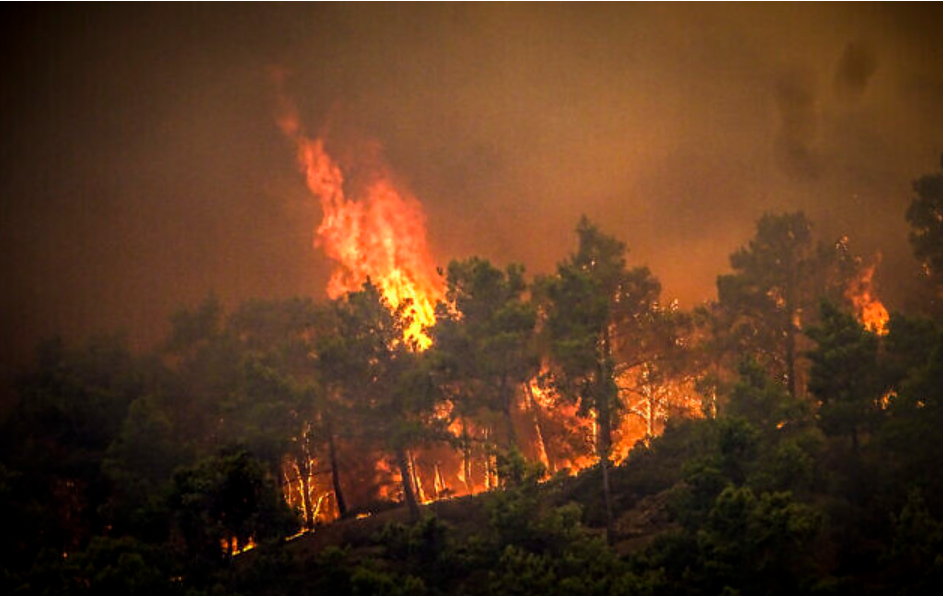
Strong winds fueled a fast‑moving wildfire near the coastal village of Agios Vasileios in Greece, intensifying evacuation efforts and forcing hundreds of residents and visitors to flee by sea. Firefighters worked urgently to contain the blaze as flames spread through the area.
The fire broke out on Friday close to the seaside community, prompting emergency authorities to launch evacuation operations. Additional warnings were issued for nearby towns as the flames tore through dry vegetation, raising fears that the situation could worsen if conditions continue to favor the spread of the fire.
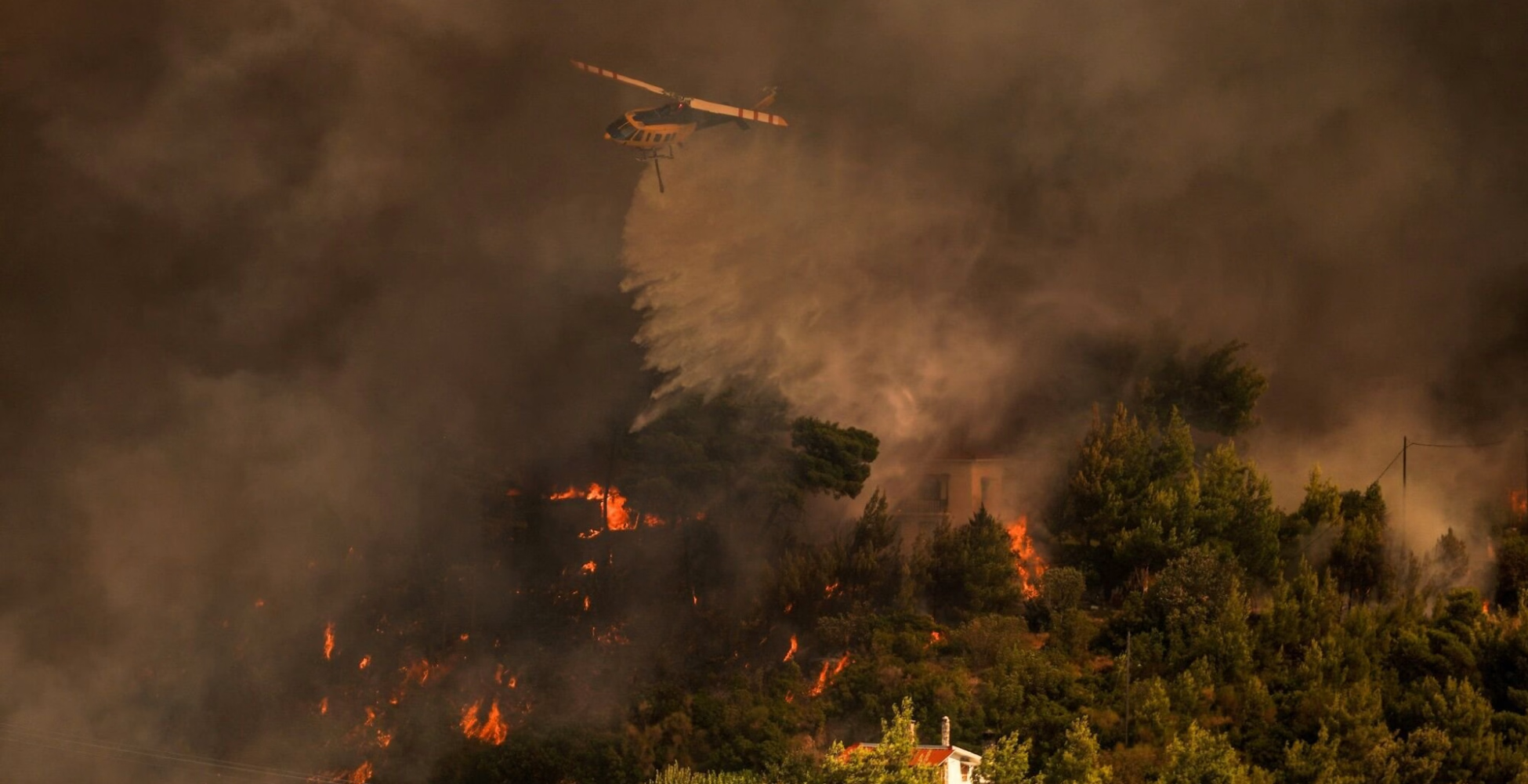

Wildfire evacuation across Greece
About 300 people were reported to have evacuated by sea after the wildfire threatened homes and coastal communities. Emergency services issued additional evacuation orders on Saturday as strong winds carried the fire into nearby towns. Local resident and farme, Minas Tzortzanis said that the blaze caused extensive destruction, leaving the affected area heavily damaged.
Nearly 500 firefighters were deployed to protect Porto Germeno, a resort town on the Gulf of Corinth. Crews worked with firefighting equipments to stop the flames from reaching more homes as the wildfire swept through thick pine forests around the area. Authorities monitored the weather conditions and warned that strong winds could make containment efforts more difficult.
Greece are now on high alert, but the wildfire conditions have eased across several parts of western Europe.
In France, authorities allowed about 198,000 residents to return home after firefighters contained one of the country’s largest wildfire emergencies in recent years. Another blaze in southwestern France stopped expanding overnight, though it remained active and about 2,500 people were still unable to return.
Spain reported progress, with major wildfires no longer advancing. Portugal confirmed its largest active fire had been brought under control.
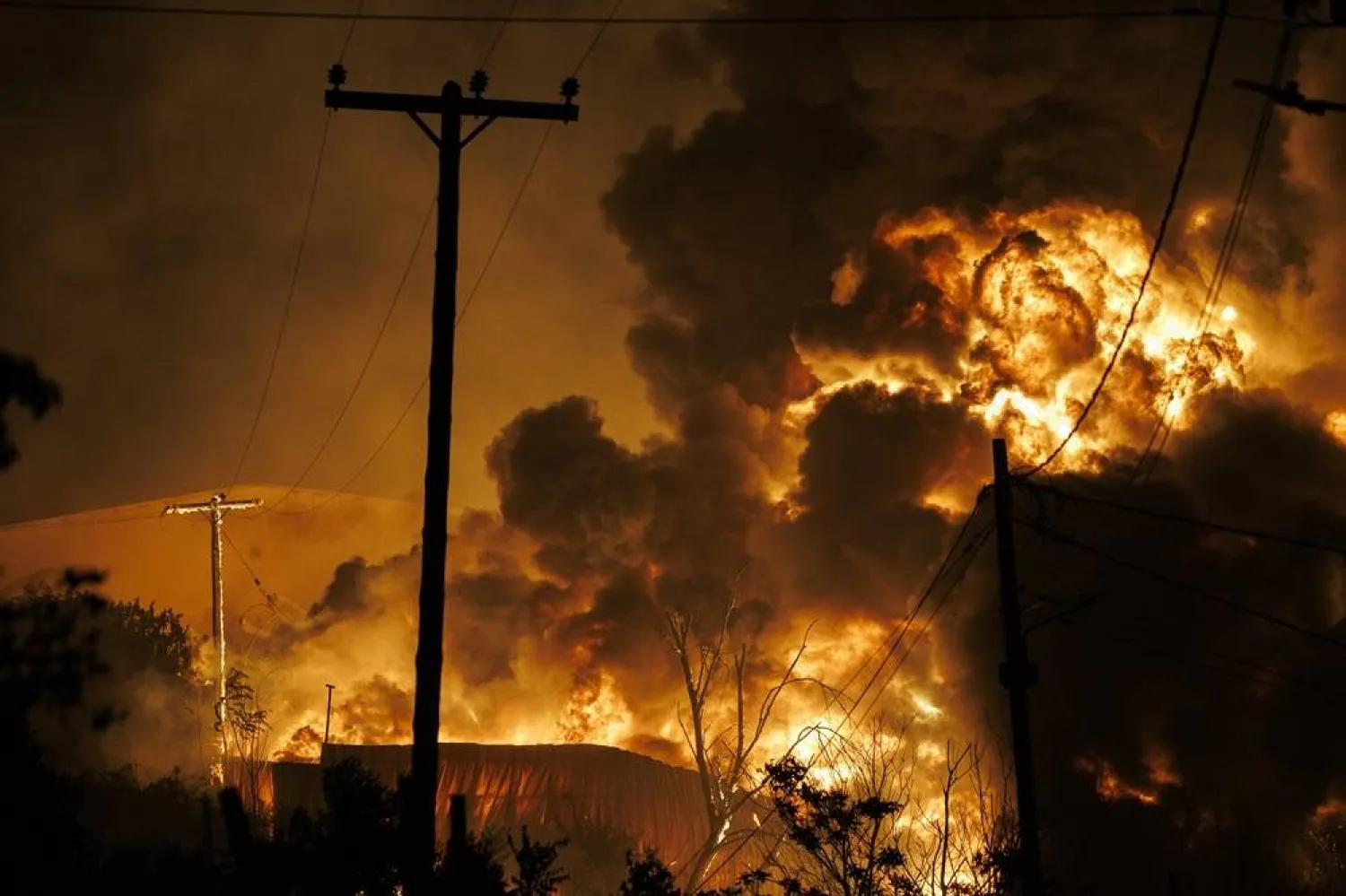

Nevertheless, Scientists warn that rising temperatures and prolonged dry conditions are increasing the frequency and intensity of wildfires across Europe. The European Union’s Copernicus Climate Change Service reports that Europe is warming faster than any other continent, leaving forests and vegetation more vulnerable to large and fast‑moving fires.
The growing Wildfire evacuation across Greece shows how the region continues to face significant risks even as conditions improve elsewhere. Emergency authorities remain on alert while firefighters work to contain the blaze and limit damage to homes, businesses, and natural areas.
PLEASE CLICK HERE FOR MORE NEWS
Wildfire evacuation across Greece


