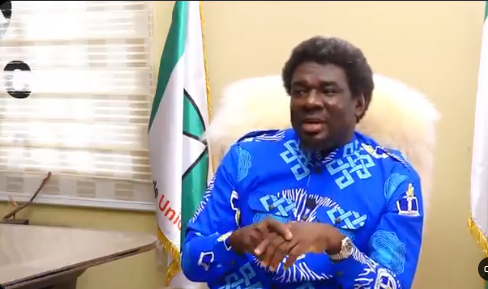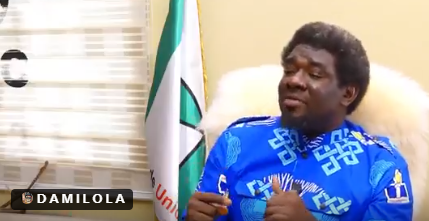
Nigeria’s economic debate has taken a new turn after labour leader Festus Osifo questioned opposition plans to bring back the fuel subsidy. The union leader challenges fuel subsidy proposal by questioning how the government would supply local refineries with crude oil at production cost to help reduce petrol prices.
Osifo also questioned how the government would pay workers’ salaries, fund security, build roads and other infrastructure, and support emergency health services if it lost revenue from petroleum sales.
His comments come as some opposition politicians promise to reduce petrol prices ahead of the 2027 general elections.
President Bola Tinubu’s government removed the petrol subsidy in May 2023. The decision reduced government spending on fuel subsidies but also contributed to rising living costs. Since then, many Nigerians have struggled with higher prices for food, transport, and other basic goods.

union leader challenges fuel subsidy
Petrol prices have become an important issue ahead of the 2027 general elections. Opposition politicians have criticised rising fuel costs and promised to reduce prices if given the opportunity. However, labour leaders and economic experts have warned that bringing back the fuel subsidy could create other economic problems.
“The union leader challenges fuel subsidy issue highlights how federal and state governments depend heavily on oil revenue to fund monthly allocations, public projects, and debt payments.
Some economic officials have warned that bringing back the fuel subsidy could put more pressure on government finances, affect foreign exchange reserves, and discourage investment.
Labour groups have discussed ways to support local refineries and reduce fuel costs. However, keeping petrol prices artificially low for everyone could increase government spending and lead to budget deficits.
Click here for more news