 0
0
 0
0
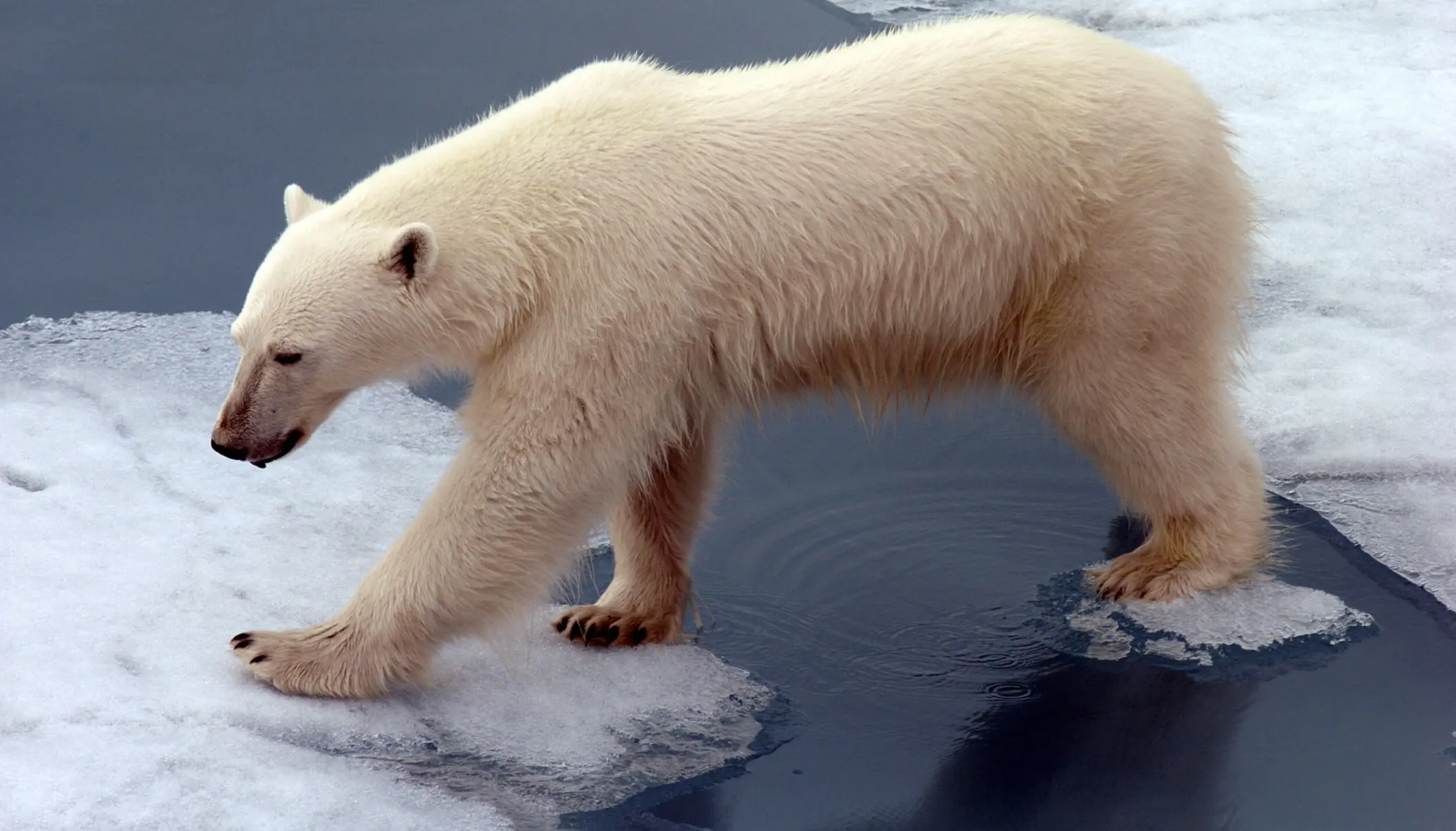
Despite decades of melting sea ice in the Arctic, polar bears in the Svalbard region north of Norway are maintaining stable body conditions. New research based on long-term monitoring shows this subpopulation has adapted to periods without sea ice while still accessing sufficient food.
“The bears are doing okay in the Barents Sea,” said a co-author from the University of Alberta. “This might seem counterintuitive until the ecosystem is considered as a whole.”
Experts note that while these polar bears are currently resilient, further loss of sea ice could still threaten their survival.

Long-Term Monitoring Reveals Stable Health
The study, published in Scientific Reports, analyzed data collected from 1995 to 2019, covering 770 polar bears through capture-mark-recapture programs in the Svalbard archipelago. Researchers measured body condition using metrics like height and girth to assess fat reserves, a key indicator of overall health.
After 2005, the region experienced sea ice breakup up to a month earlier, adding roughly 100 ice-free days on average. Despite this, Svalbard polar bears’ body condition has remained stable, showing a remarkable adaptation to changing conditions.
Diverse Diet Supports Adaptation
Researchers suggest that alternative food sources have helped polar bears maintain weight. Beyond their traditional diet of ringed and bearded seals, Svalbard bears have been feeding on walruses, bird eggs, whale carcasses, and even reindeer.

Walrus populations in the area have rebounded since hunting protections began in 1952, providing accessible prey for polar bears on land. This diversified diet reduces energy spent hunting across ice-free areas.
Climate Change Remains a Threat
While the Barents Sea subpopulation shows resilience, experts caution that this does not apply to all polar bear populations. Bears in western Hudson Bay and the Beaufort Sea have experienced declining body condition, survival rates, and reproduction due to sea ice loss.
“Regional differences mean some polar bears may adapt temporarily, but long-term survival depends on the preservation of sea ice,” said a polar bear research specialist.
Conclusion
Svalbard polar bears offer a glimpse of adaptation in a warming Arctic, but climate change continues to threaten their survival across other regions. Monitoring and conservation efforts remain essential to protect these iconic Arctic predators as global temperatures rise.