


The Poland extreme heat wave has prompted authorities to activate emergency measures across much of the country as temperatures are forecast to exceed 40°C in several regions. Weather officials have warned that some areas could even experience temperatures as high as 43°C, making this one of the most severe periods of extreme heat Poland has faced in recent years.
Government agencies, emergency services, and health officials remain on high alert as the Poland extreme heat wave increases the risks of wildfires, heat-related illnesses, dehydration, and other public safety concerns. Residents have been urged to follow official guidance and take extra precautions while the dangerous weather persists.
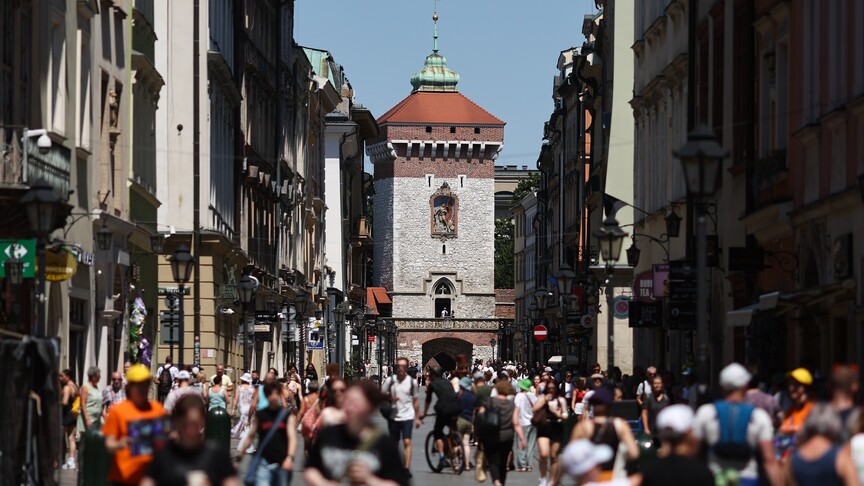

Heat Warnings Issued Across Large Parts of Poland
The Institute of Meteorology and Water Management has issued widespread heat warnings covering western and central Poland.
According to the latest forecasts, temperatures are expected to reach between 39°C and 40°C in Lower Silesia, while many other regions could see daytime highs exceeding 35°C.
Some weather models suggest isolated locations may briefly reach 43°C if conditions continue to intensify.
Areas Facing the Highest Temperatures
The most severe conditions are expected in:
- Lower Silesia
- Western Poland
- Central Poland
- Parts of southern Poland
Authorities continue monitoring weather conditions closely as forecasts are updated throughout the day.
Why This Heat Wave Is Significant
Although Poland experiences warm summers, temperatures exceeding 40°C remain relatively rare.
Meteorologists describe the current Poland extreme heat wave as one of the strongest in recent years due to its combination of exceptionally high daytime temperatures, prolonged dry weather, and elevated wildfire risk.
Emergency Services Move to High Alert
Emergency response agencies across Poland have increased their level of preparedness as the heat wave reaches its peak.
Firefighters, police units, ambulance services, and disaster response teams have all been placed on heightened alert to respond quickly to weather-related emergencies.
Officials expect demand for emergency services to rise as temperatures remain dangerously high.
Agencies Preparing for Multiple Risks
Authorities are focusing on several potential emergencies, including:
- Heatstroke and heat exhaustion
- Dehydration
- Wildfires
- Water rescue incidents
- Medical emergencies involving vulnerable individuals
Additional emergency personnel have been positioned in some areas where extreme temperatures are expected to last the longest.
Increased Pressure on Healthcare Services
Hospitals and medical facilities have also been advised to prepare for an increase in patients suffering from heat-related conditions.
Health experts warn that prolonged exposure to high temperatures can place significant strain on the body’s cooling system, especially among older adults, young children, and people living with chronic medical conditions.
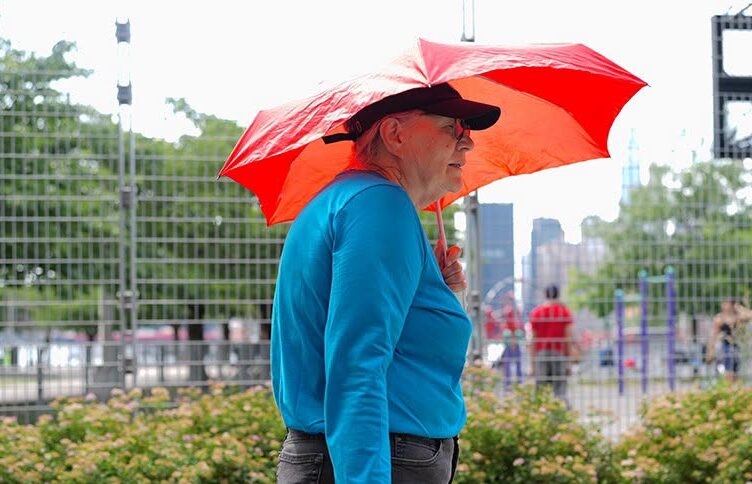

Health Officials Urge Residents to Stay Safe
Public health authorities have issued several recommendations to reduce the health risks associated with the Poland extreme heat wave.
Residents are being encouraged to avoid unnecessary outdoor activities during the hottest part of the day, typically between late morning and early evening.
Officials also recommend drinking water regularly, even before feeling thirsty, and wearing lightweight clothing to reduce heat stress.
Recommended Safety Measures
Authorities advise residents to:
- Stay hydrated throughout the day.
- Wear loose, light-colored clothing.
- Avoid prolonged exposure to direct sunlight.
- Remain indoors during peak afternoon temperatures whenever possible.
- Use sunscreen when outside.
- Check regularly on elderly relatives, neighbors, and anyone with health concerns.
People are also reminded never to leave children or pets inside parked vehicles, where temperatures can rise rapidly within minutes.
Food Safety Concerns Increase During Extreme Heat
Health authorities have also highlighted another often-overlooked risk during periods of extreme heat: food safety.
Higher temperatures create favorable conditions for bacteria to multiply more rapidly, increasing the likelihood of foodborne illnesses.
Officials specifically warned about the potential rise in salmonella infections if food is not stored or prepared correctly.
Preventing Foodborne Illness
Residents are advised to:
- Refrigerate perishable foods promptly.
- Avoid leaving cooked meals at room temperature.
- Wash hands before preparing food.
- Cook meat thoroughly.
- Keep raw and cooked foods separate.
Simple food safety practices become even more important during prolonged periods of high temperatures.
Wildfire Risk Continues to Rise
One of the greatest concerns surrounding the Poland extreme heat wave is the increased threat of wildfires.
Weeks of unusually warm and dry weather have left forests, fields, and grasslands vulnerable to ignition.
Fire authorities warn that even small sparks can quickly develop into larger fires under current weather conditions.
Dry Vegetation Creates Dangerous Conditions
The combination of:
- Extremely high temperatures
- Low soil moisture
- Dry vegetation
- Limited rainfall
- Occasional gusty winds
creates ideal conditions for wildfires to spread rapidly.
Emergency officials continue conducting patrols in forested regions while encouraging the public to exercise extreme caution outdoors.
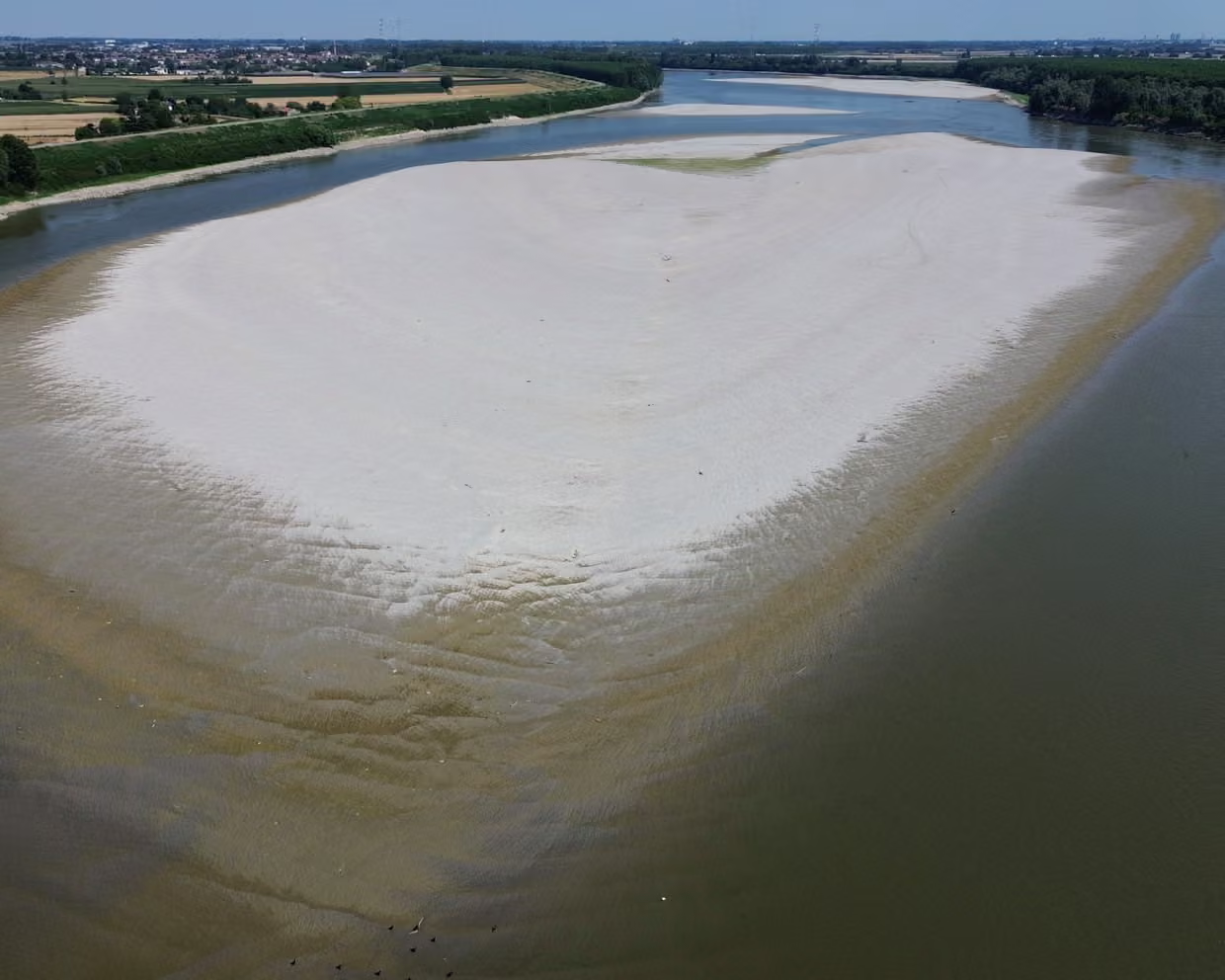

Travel Disruptions and Public Safety Measures
The Poland extreme heat wave is also affecting transportation and public services as authorities work to minimize disruptions caused by exceptionally high temperatures.
Emergency officials have advised residents to avoid unnecessary travel during the hottest hours of the day unless absolutely necessary. Long periods of exposure to extreme heat can increase the risk of dehydration, fatigue, and heat-related medical emergencies, particularly for drivers, cyclists, and pedestrians.
Heat Can Affect Infrastructure
Very high temperatures can place additional stress on public infrastructure. Roads may soften or expand, railway tracks can become vulnerable to heat-related deformation, and power demand often rises as households and businesses rely more heavily on cooling systems.
Although no widespread infrastructure failures had been reported at the time of writing, authorities continue to monitor transportation networks and public utilities as temperatures remain elevated.
Water Safety Remains a Priority
With many people expected to seek relief near lakes, rivers, and other recreational water areas, emergency services have reminded the public to exercise caution.
Officials advise swimmers to use designated swimming areas where lifeguards are present and to avoid entering unfamiliar or unsafe waters. Alcohol consumption while swimming or boating is also strongly discouraged due to the increased risk of accidents.
Wildfire Prevention Efforts Intensify
The Poland extreme heat wave has significantly increased concerns about forest fires across the country.
Weeks of dry weather combined with soaring temperatures have left forests and grasslands especially vulnerable to ignition. Firefighters remain on standby, while forestry officials continue monitoring high-risk locations.
Authorities Urge Public Cooperation
Residents and visitors are being asked to help reduce wildfire risks by following several safety recommendations:
- Do not light campfires in forests or protected areas.
- Avoid discarding cigarette butts outdoors.
- Never burn dry vegetation during the heat wave.
- Report signs of smoke or fire immediately to emergency services.
- Follow any local restrictions on outdoor activities.
Officials stress that many wildfires begin accidentally and can spread rapidly under hot and dry conditions.
Firefighters Prepare for Rapid Response
Fire departments across affected regions have increased staffing levels and positioned equipment strategically to ensure faster response times if fires occur.
Authorities say early detection and quick intervention remain the most effective ways to prevent small fires from developing into large-scale emergencies.


Why Europe Is Seeing More Frequent Heat Waves
The current Poland extreme heat wave comes as several European countries continue experiencing unusually high summer temperatures.
Meteorologists note that prolonged heat events have become more frequent across Central and Southern Europe in recent years. While individual weather events vary, extended periods of hot and dry conditions have increased pressure on emergency services, healthcare systems, agriculture, and water resources.
Governments across Europe have increasingly invested in heat action plans, public awareness campaigns, and emergency preparedness strategies to help communities respond more effectively during extreme weather events.
Protecting Vulnerable Groups
Health experts continue emphasizing that some groups face higher risks during extreme heat, including:
- Older adults
- Young children
- Pregnant women
- People with chronic medical conditions
- Outdoor workers
Checking on family members, neighbors, and vulnerable individuals can help reduce heat-related health emergencies during prolonged periods of high temperatures.
Authorities Continue Monitoring Weather Conditions
Weather agencies will continue issuing updated forecasts as the Poland extreme heat wave develops over the coming days.
Emergency services remain prepared to respond to changing conditions, while officials encourage residents to stay informed through official weather updates and follow local safety guidance.
Although forecasts suggest temperatures may gradually ease after the weekend in some areas, authorities warn that dangerous heat could persist in several regions before cooler conditions arrive.
Frequently Asked Questions
How hot is the Poland extreme heat wave expected to become?
Some forecasts indicate temperatures could reach 43°C, while many parts of western and central Poland are expected to experience temperatures between 39°C and 40°C.
Why have emergency services been placed on high alert?
Authorities are preparing for increased risks of heatstroke, dehydration, wildfires, water-related accidents, and other emergencies associated with prolonged extreme heat.
Which parts of Poland are most affected?
Western and central Poland, including Lower Silesia, are expected to experience the highest temperatures during the current heat wave.
How can people stay safe during extreme heat?
Officials recommend staying hydrated, avoiding outdoor activities during peak afternoon temperatures, wearing lightweight clothing, checking on vulnerable people, and following official weather advisories.
Conclusion
The Poland extreme heat wave has prompted a nationwide emergency response as authorities prepare for temperatures that could exceed 40°C in several regions. With heightened risks ranging from heat-related illnesses to wildfires and transportation challenges, officials continue urging residents to take precautions and remain alert. As emergency services monitor conditions around the clock, public cooperation and adherence to safety guidance will play a key role in reducing the impact of one of Poland’s most significant heat events in recent years.
PLEASE CLICK HERE FOR MORE NEWS


