 0
0
 0
0
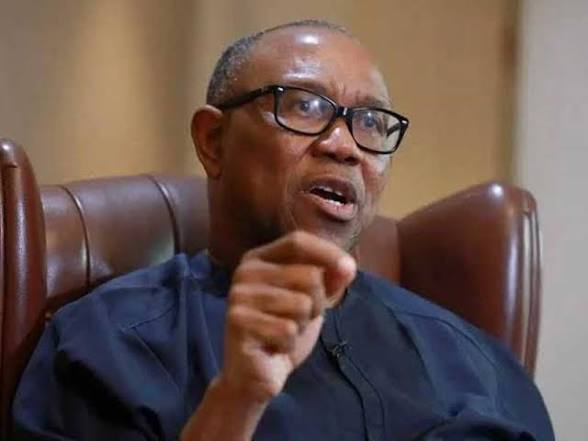
Peter Obi women development Nigeria 2026 has become a major talking point after Peter Obi expressed concern over what he described as Nigeria’s inadequate commitment to empowering women. The former presidential candidate made the remarks while reacting to events surrounding the Ozoro festival in Delta State.
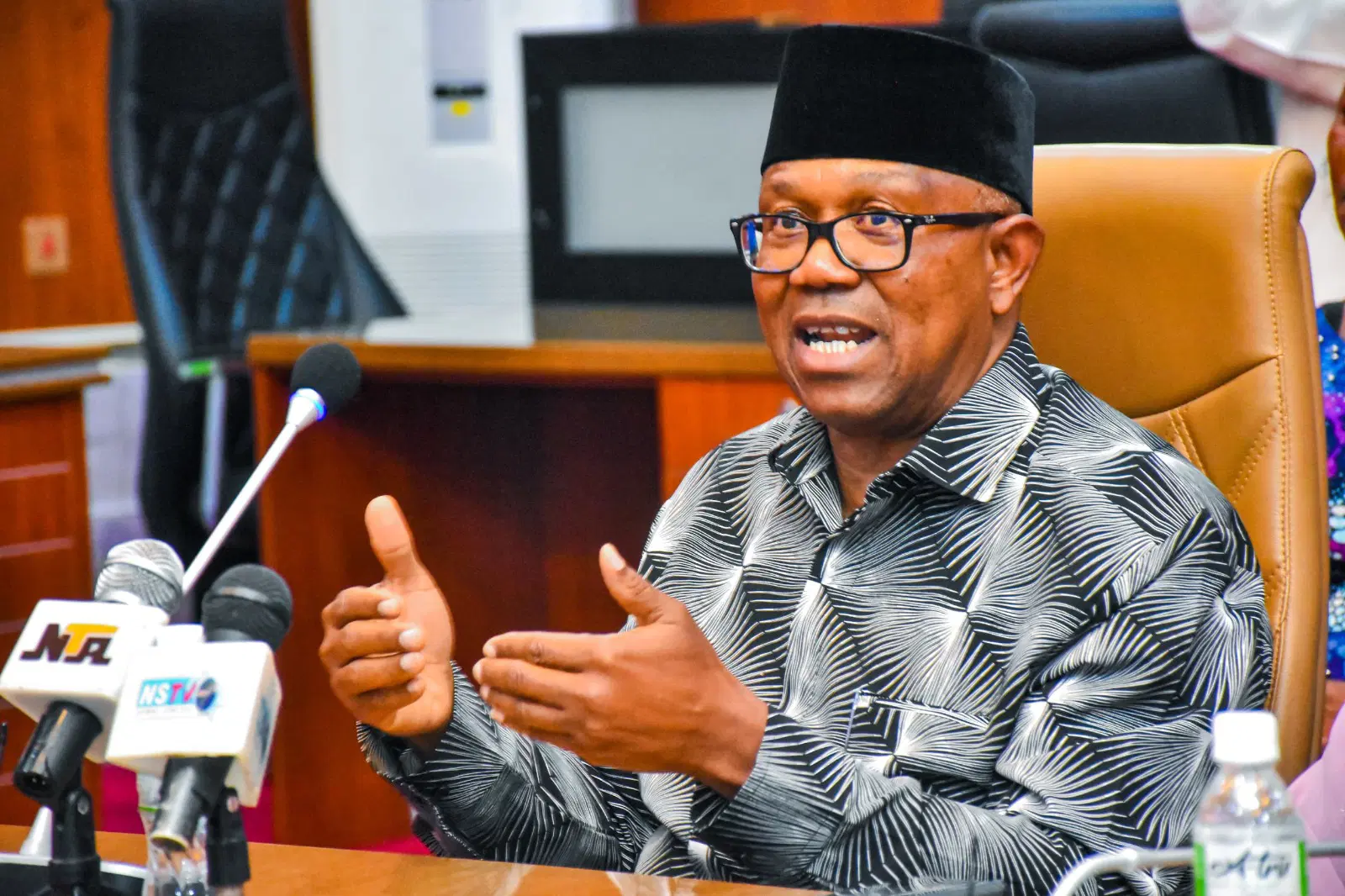
He emphasized that Nigeria must reassess its priorities and take deliberate steps to invest in women as a critical driver of national development. His statement reflects growing public discourse around gender equality and economic inclusion.
Ozoro Festival Controversy Sparks National Debate
Allegations of Harassment
The issue gained prominence following reports linked to the Ozoro festival in Delta State, where viral videos allegedly showed women being harassed and assaulted during the event.
These reports triggered widespread outrage across the country, with many citizens and advocacy groups calling for accountability and stronger protections for women in public spaces.
Public Reaction and Calls for Justice
The controversy has intensified discussions around women’s safety, cultural practices, and the need for reform. Observers argue that such incidents highlight systemic gaps in protecting vulnerable groups.
The Peter Obi women development Nigeria 2026 narrative has therefore expanded beyond policy discussions to include social justice and human rights concerns.
Comparing Nigeria With Global Examples
Lessons from Other Economies
In his statement, Obi pointed out that many countries have achieved economic growth by investing heavily in women. He cited examples from Scandinavian nations, where gender inclusion is a key component of development strategies.
Case Study: Indonesia
Obi noted that in Indonesia, women own more than 50% of small and medium enterprises (SMEs). These businesses contribute significantly to job creation, accounting for approximately 98% of employment opportunities.
Case Study: Bangladesh
Similarly, in Bangladesh, women make up about 60% of the workforce in the garment industry. This sector is the country’s largest export earner, generating around $50 billion annually—far exceeding Nigeria’s earnings from crude oil exports in some years.
These comparisons underscore the economic potential of women when properly integrated into productive sectors.
Nigeria’s Development Gap
Underutilization of Women
Peter Obi women development Nigeria 2026 highlights a key concern: Nigeria has not fully leveraged the potential of women despite their significant share of the population.
According to Obi, women have consistently demonstrated their ability to contribute meaningfully to leadership, management, and entrepreneurship when given the opportunity.
Impact on Economic Growth
Neglecting women’s participation in critical sectors can limit economic expansion. Countries that prioritize human capital development often experience stronger and more sustainable growth.
Obi warned that Nigeria risks falling further behind if it does not adopt inclusive development strategies.
Call for Policy Reforms and Strategic Investment
Focus on Education and Empowerment
Obi stressed the need for concrete policies that support women’s education and skill development. He argued that empowering women through education is essential for long-term national progress.
Encouraging Entrepreneurship
Another key recommendation is to promote women’s participation in entrepreneurship. Providing access to funding, training, and markets can help women establish and grow businesses, contributing to job creation and economic stability.
Inclusion in Leadership
The Peter Obi women development Nigeria 2026 discussion also emphasizes the importance of including women in leadership and decision-making roles.
Greater representation in governance and corporate structures can lead to more balanced policies and improved outcomes across sectors.
Criticism of National Priorities
Misplaced Focus
Obi criticized what he described as misplaced national priorities, suggesting that attention is often directed toward activities that do not contribute meaningfully to development.
He argued that a shift toward investing in human capital—particularly women—is necessary to achieve sustainable growth.
Need for Strategic Direction
The statement calls for a more deliberate and strategic approach to development planning. By aligning policies with global best practices, Nigeria can unlock new opportunities for economic advancement.
Rebuilding Nigeria Through Inclusive Growth
Role of Women in Economic Recovery
Women are not only contributors but also key drivers of economic transformation. Integrating them into productive sectors can enhance productivity, innovation, and resilience.
Path to National Progress
Peter Obi women development Nigeria 2026 reinforces the idea that inclusive growth is essential for rebuilding the economy and restoring national pride.
Investing in women can lead to:
- Increased workforce participation
- Higher household incomes
- Improved social outcomes
- Stronger economic diversification
FAQ Section
- What is Peter Obi women development Nigeria 2026 about?
It refers to Peter Obi’s concerns about Nigeria’s lack of investment in women development and his call for policy reforms following the Ozoro festival incident. - What happened at the Ozoro festival?
Reports and viral videos allegedly showed women being harassed during the event, sparking national outrage and calls for accountability. - Why is women development important for Nigeria?
Empowering women can drive economic growth, create jobs, and improve social outcomes, as seen in countries like Indonesia and Bangladesh. - What solutions did Peter Obi suggest?
He advocated for increased investment in education, entrepreneurship, and leadership opportunities for women.
Conclusion
Peter Obi women development Nigeria 2026 brings attention to a critical issue at the intersection of social justice and economic policy. His remarks highlight the need for Nigeria to adopt a more inclusive approach to development by empowering women and addressing systemic challenges. As debates continue, the focus remains on how effectively the country can translate these concerns into actionable reforms.
Click here for more news