


The Peter Obi Nigeria debt concern has sparked fresh debate over Nigeria’s rising public debt and the transparency of government borrowing. The presidential candidate of the Nigeria Democratic Congress (NDC), Peter Obi, has questioned how funds borrowed by the current administration are being used amid growing economic hardship and insecurity in the country.
In a public statement shared via his X account, Obi raised concerns about the pace of Nigeria’s debt accumulation, alleging that the country’s total public debt has climbed close to N200 trillion under President Bola Ahmed Tinubu’s administration.
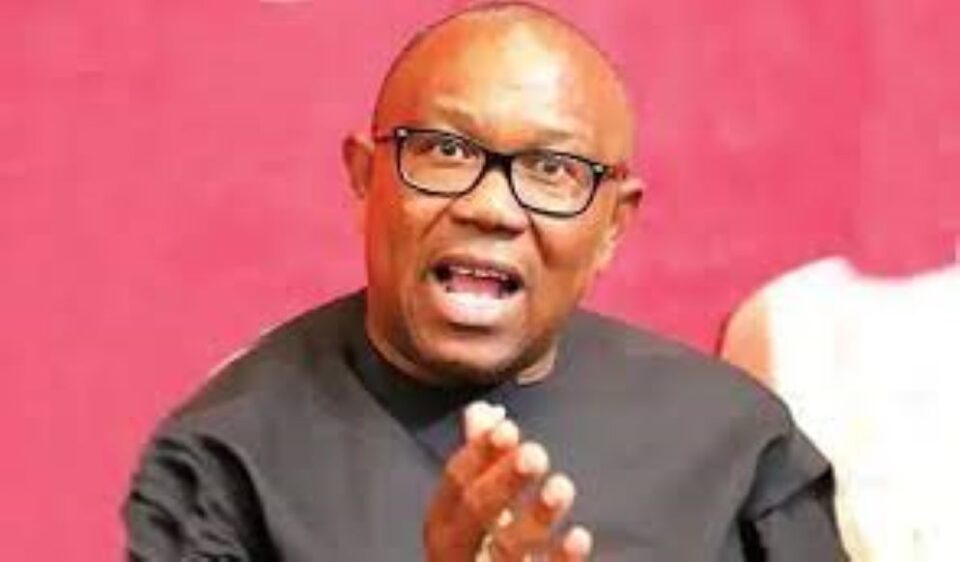

Rising Debt Figures Spark Peter Obi Nigeria Debt Concern
The Peter Obi Nigeria debt concern centers on claims that Nigeria’s debt profile has grown significantly within a short period, placing additional pressure on citizens already facing inflation and rising living costs.
Obi argued that the scale of borrowing under the current administration is unprecedented when compared to previous governments.
Alleged Increase in National Debt Stock
According to Obi’s statement:
- Nigeria’s total public debt is nearing N200 trillion
- Debt increased by over N100 trillion in three years
- Previous administration reportedly accumulated about N49 trillion in eight years
He described the borrowing pattern as excessive and lacking adequate accountability mechanisms.
Comparison With Previous Administration
Obi contrasted current borrowing levels with those of former President Muhammadu Buhari’s administration, arguing that:
- Current debt growth is significantly faster
- Borrowing scale has expanded within a shorter timeframe
- Public concerns over debt sustainability are increasing
Concerns Over Transparency in Government Borrowing
A key element of the Peter Obi Nigeria debt concern is the issue of transparency in how borrowed funds are managed and allocated.
Obi questioned whether the borrowing activities are properly documented and whether citizens are given clear explanations.
Call for Accountability in Loan Utilisation
He emphasized that:
- Government borrowing should be fully transparent
- Citizens deserve clear reporting on fund usage
- Overspending beyond approved limits requires scrutiny
Alleged Borrowing Above Budget Targets
Citing figures from the Federation’s Budget Office, Obi stated that:
- N11.89 trillion was borrowed between January and September 2025
- This exceeded the planned target of N10.34 trillion
- The overshoot amounted to about N1.54 trillion
He argued that such deviations should trigger accountability reviews.
Capital Expenditure and Project Funding Questions
Another key issue in the Peter Obi Nigeria debt concern relates to how much of the borrowed funds were actually used for capital projects.
Obi raised doubts over whether the loans are translating into visible development outcomes.
Capital Spending Figures Highlighted
He claimed that:
- N3.10 trillion was spent on capital projects in 2025’s first nine months
- This represents about 17.66 percent of the capital budget
- A funding gap of approximately N14.48 trillion remains unaccounted for
Questions on Infrastructure Delivery
According to Obi, these figures raise concerns about:
- Efficiency of public spending
- Execution of infrastructure projects
- Proper allocation of borrowed funds
Economic Pressure and National Debt Concerns
The Peter Obi Nigeria debt concern also highlights broader economic challenges affecting citizens.
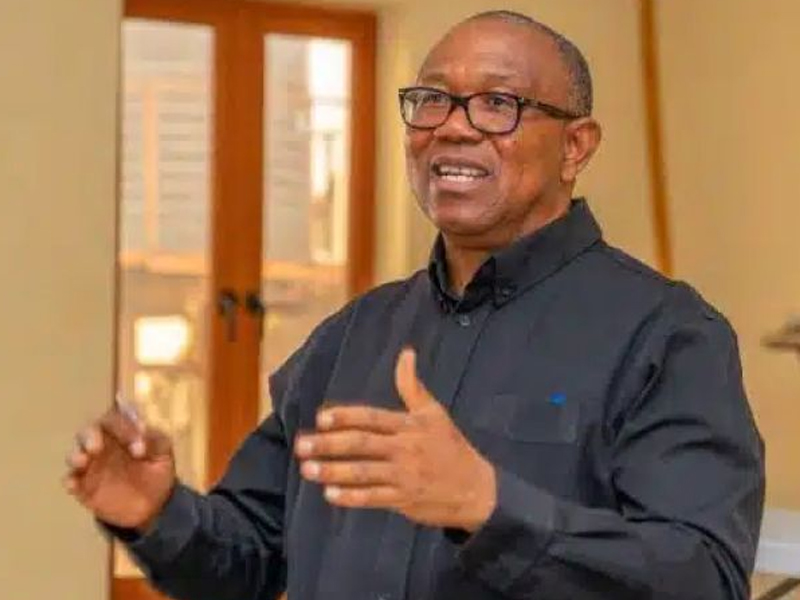

Impact on Inflation and Cost of Living
Obi noted that rising debt is occurring alongside:
- Increasing inflation rates
- Higher cost of goods and services
- Economic hardship for households
Public Concern Over Sustainability
He warned that:
- Rising debt may strain future government revenues
- Debt servicing could limit development spending
- Economic stability may be affected if borrowing continues unchecked
Broader Debate on Nigeria’s Fiscal Policy
The comments have contributed to ongoing national discussions about fiscal responsibility and public debt management.
Importance of Fiscal Transparency
Experts often emphasize that responsible borrowing should include:
- Clear documentation of loan usage
- Regular public financial reporting
- Alignment with approved budgets
Need for Economic Balance
Sustainable fiscal management requires:
- Balanced borrowing strategies
- Increased revenue generation
- Efficient public expenditure

FAQ
What is Peter Obi’s concern about Nigeria’s debt?
Peter Obi is concerned about the rapid rise in Nigeria’s debt profile and questions how borrowed funds are being utilized.
How much does Peter Obi say Nigeria’s debt has increased?
He claims Nigeria’s total debt has increased by over N100 trillion within three years.
What did Peter Obi say about government borrowing in 2025?
He stated that the government borrowed N11.89 trillion between January and September 2025, exceeding its target.
Why is capital expenditure being questioned?
Obi argued that only a small portion of the budget was spent on capital projects, raising concerns about fund allocation.
Conclusion
The Peter Obi Nigeria debt concern highlights ongoing debates about public debt, transparency, and fiscal accountability in Nigeria. While the government continues its borrowing activities, questions remain about how effectively the funds are being used and whether they are translating into tangible development outcomes. The discussion underscores the need for clearer financial reporting and sustainable economic management.
Click here for nore news


