


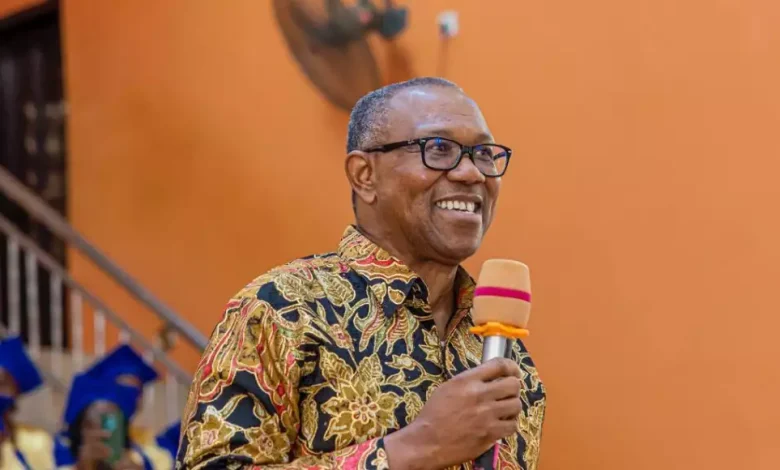
The issue of Peter Obi 2027 election governors support has come into focus following comments by the former Anambra State governor, who dismissed concerns about the growing number of governors aligning with President Bola Tinubu ahead of the next general election.
Speaking during an interview with NoireTV, Obi argued that governors do not determine electoral outcomes in Nigeria, insisting that the will of voters remains the most important factor in any democratic contest.
The former presidential candidate of the Nigeria Democratic Congress (NDC) pointed to his performance in the 2023 presidential election as evidence that popular support can outweigh political endorsements and established political structures.
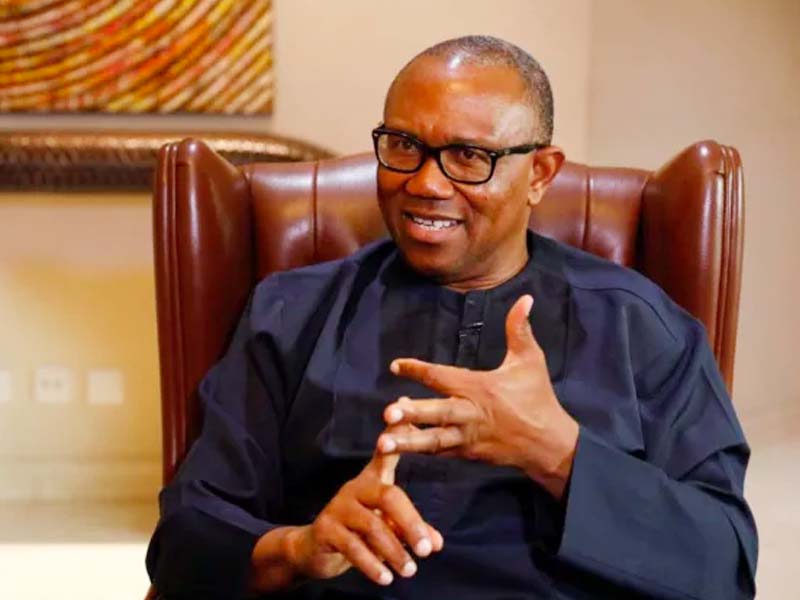

Obi Dismisses Importance of Governors’ Endorsements
Peter Obi said he was not worried by reports of governors backing President Bola Tinubu ahead of the 2027 elections.
According to him, his experience during the 2023 presidential election demonstrated that the support of sitting governors is not a prerequisite for electoral success.
Obi noted that despite contesting without the backing of any governor at the time, he was still able to secure victories in several states across the country.
Reflection on the 2023 Presidential Election
During the interview, Obi recalled that he entered the 2023 election without the support of any serving governor.
He maintained that the outcome showed that voters have the power to make independent decisions regardless of political alliances formed by influential office holders.
According to him, the election results reflected widespread public support that extended beyond traditional political structures.
Electoral Success Without Political Backing
Obi emphasized that he achieved significant electoral gains despite lacking the support network often associated with major political campaigns.
He argued that the experience reinforced his belief that ordinary Nigerians, rather than political elites, ultimately determine the direction of elections.
The former governor stated that electoral victories should be measured by voter participation and public trust rather than endorsements from political office holders.
Claims Regarding Election Results
As part of his remarks, Obi reiterated his long-standing position regarding the 2023 election outcome.
He stated that he won in multiple states despite facing significant political challenges during the campaign period.
Obi also alleged that he was denied victories in two states, a claim he has previously raised in discussions surrounding the election.
Interpretation of Electoral Performance
According to Obi, his electoral performance demonstrated that political structures alone cannot guarantee success at the polls.
He argued that the support he received came directly from voters who believed in his message and vision for the country.
The comments reflect his continued emphasis on citizen participation as the foundation of democratic governance.
Debate Over Electoral Outcomes
The 2023 presidential election remains one of the most discussed political contests in Nigeria’s recent history.
Different political actors have continued to express varying interpretations of the results and the factors that influenced voter behavior across different regions.
Obi’s latest comments add to the broader national conversation about electoral reforms, voter confidence, and democratic participation.
Focus Shifts Toward 2027 General Election
While addressing questions about political alignments ahead of 2027, Obi said the upcoming election should focus on issues affecting everyday Nigerians.
The discussion surrounding Peter Obi 2027 election governors support, he argued, should not overshadow more pressing national concerns.
According to him, millions of citizens are more concerned about their quality of life than political calculations involving endorsements and alliances.
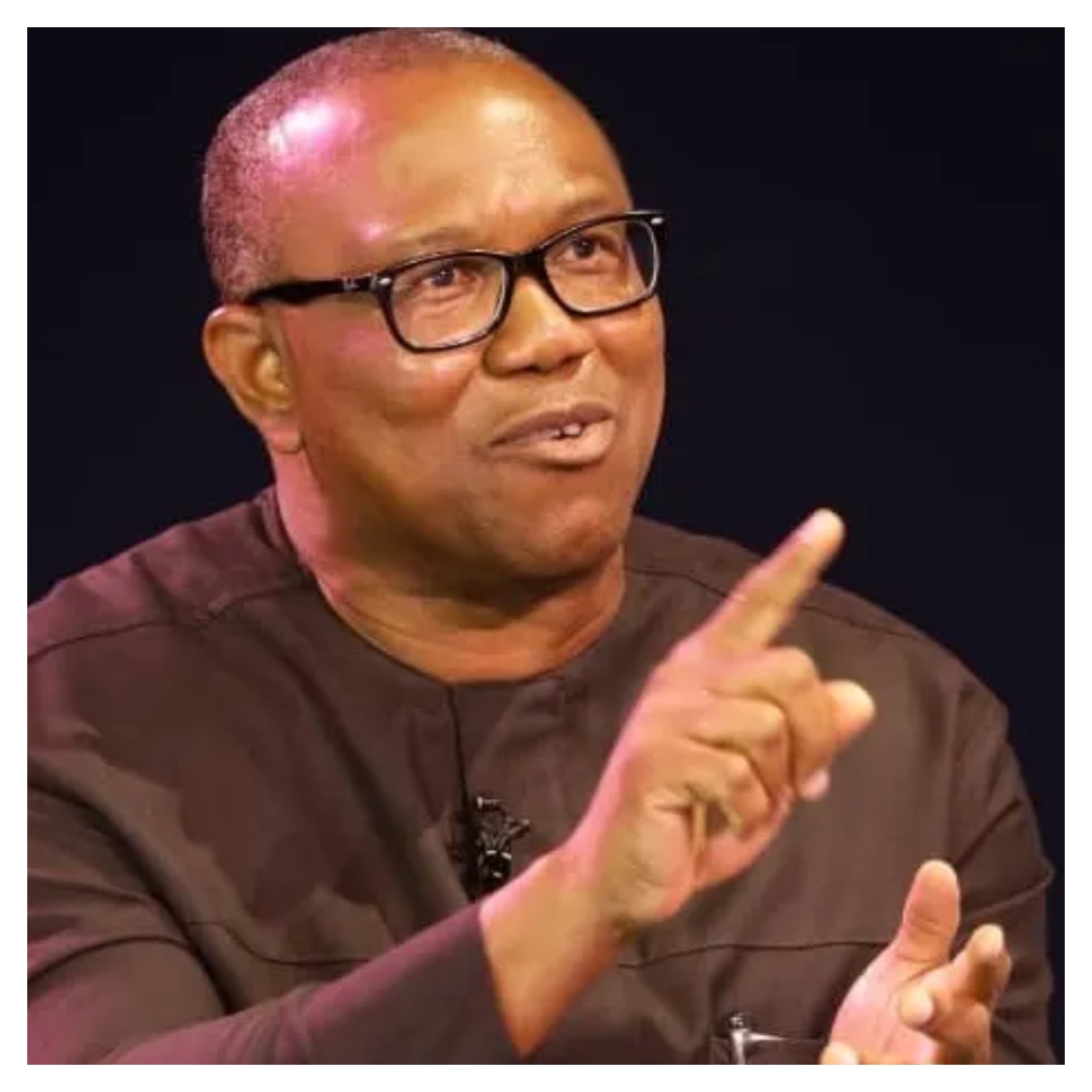

Key Issues Affecting Nigerians
Obi highlighted several challenges that he believes should dominate political discussions ahead of the next election cycle.
These include:
- Rising cost of living
- Food insecurity
- Unemployment
- Access to quality education
- Healthcare challenges
- Insecurity across various regions
- Economic opportunities for young people
He argued that addressing these issues would have a more meaningful impact on citizens than debates over political endorsements.
Welfare-Centered Governance
The former governor stressed that future political campaigns should focus on practical solutions to national challenges.
According to him, governance should prioritize improving living standards and creating opportunities for citizens regardless of their ethnic, religious, or regional backgrounds.
He said Nigerians are increasingly interested in leaders who can provide tangible improvements in their daily lives.
Call for Issue-Based Politics
A major theme of Obi’s remarks was the need for issue-based political engagement.
He argued that political discourse should move away from identity-based considerations and focus more on policies capable of improving national development.
Moving Beyond Ethnic and Religious Divisions
Obi stated that future elections should not be dominated by discussions surrounding tribe, ethnicity, or religion.
Instead, he said voters should evaluate candidates based on their ability to address pressing economic and social challenges.
This approach, according to him, would help strengthen democratic accountability and improve governance outcomes.
Building a More Inclusive Nigeria
The former governor also reiterated his vision for a country where opportunities are available to all citizens.
He emphasized the importance of creating systems that support education, healthcare, job creation, and economic growth.
According to Obi, these priorities should remain central to national conversations as the country prepares for future elections.
Growing Political Alignments Ahead of 2027
Political observers have noted increasing realignments among parties and elected officials as preparations for the 2027 elections gradually begin.
Governors often play influential roles in shaping political strategies due to their positions within state structures and party organizations.
However, Obi’s comments suggest he believes voter sentiment will ultimately have greater influence than elite political alliances.
The Role of Governors in Nigerian Politics
Governors are traditionally regarded as important political stakeholders because of their influence within their respective states.
Their endorsements can help shape campaign structures, mobilization efforts, and party strategies.
Nevertheless, elections are ultimately decided through votes cast by citizens, making public support a crucial factor in any electoral contest.
Voter Participation Remains Key
Political analysts frequently point to voter turnout and public engagement as major determinants of election outcomes.
As discussions about the 2027 election continue, issues such as governance performance, economic conditions, and public confidence are expected to play significant roles.
Obi’s comments reflect a broader argument that electoral success depends on connecting with voters rather than relying solely on political endorsements.

FAQ
Why did Peter Obi say governors do not determine election outcomes?
Peter Obi argued that his performance in the 2023 presidential election showed that voter support is more important than endorsements from governors or political office holders.
What did Peter Obi say about the 2023 presidential election?
Obi stated that he contested the election without the backing of any serving governor and still secured victories in multiple states across Nigeria.
What issues does Peter Obi want the 2027 election to focus on?
He highlighted hunger, insecurity, education, healthcare, unemployment, and economic opportunities as key issues that should dominate political discussions ahead of 2027.
How important are governors in Nigerian elections?
Governors are influential political stakeholders who can shape campaign strategies and party structures, but election outcomes are ultimately determined by voters.
Peter Obi’s remarks underline his belief that electoral success is driven by public support rather than political endorsements. As attention gradually shifts toward the 2027 general election, debates surrounding governance, economic conditions, security, and citizens’ welfare are expected to remain central to Nigeria’s political landscape.
Click here for more news


