


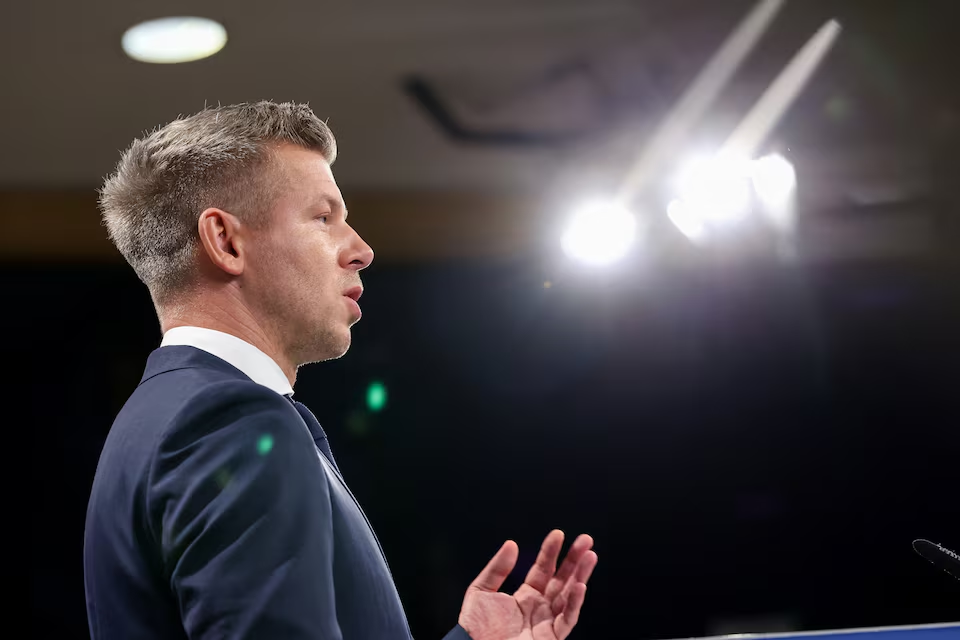
The Peter Magyar move to remove President Sulyok has become one of the most significant political developments in Hungary following the country’s recent change in leadership. Prime Minister Peter Magyar announced that his government would begin legal procedures to remove President Tamas Sulyok if he continues to reject calls to resign.
The dispute highlights growing tensions between Hungary’s new administration and officials who were appointed during the long period of political influence held by former Prime Minister Viktor Orban and his Fidesz party.
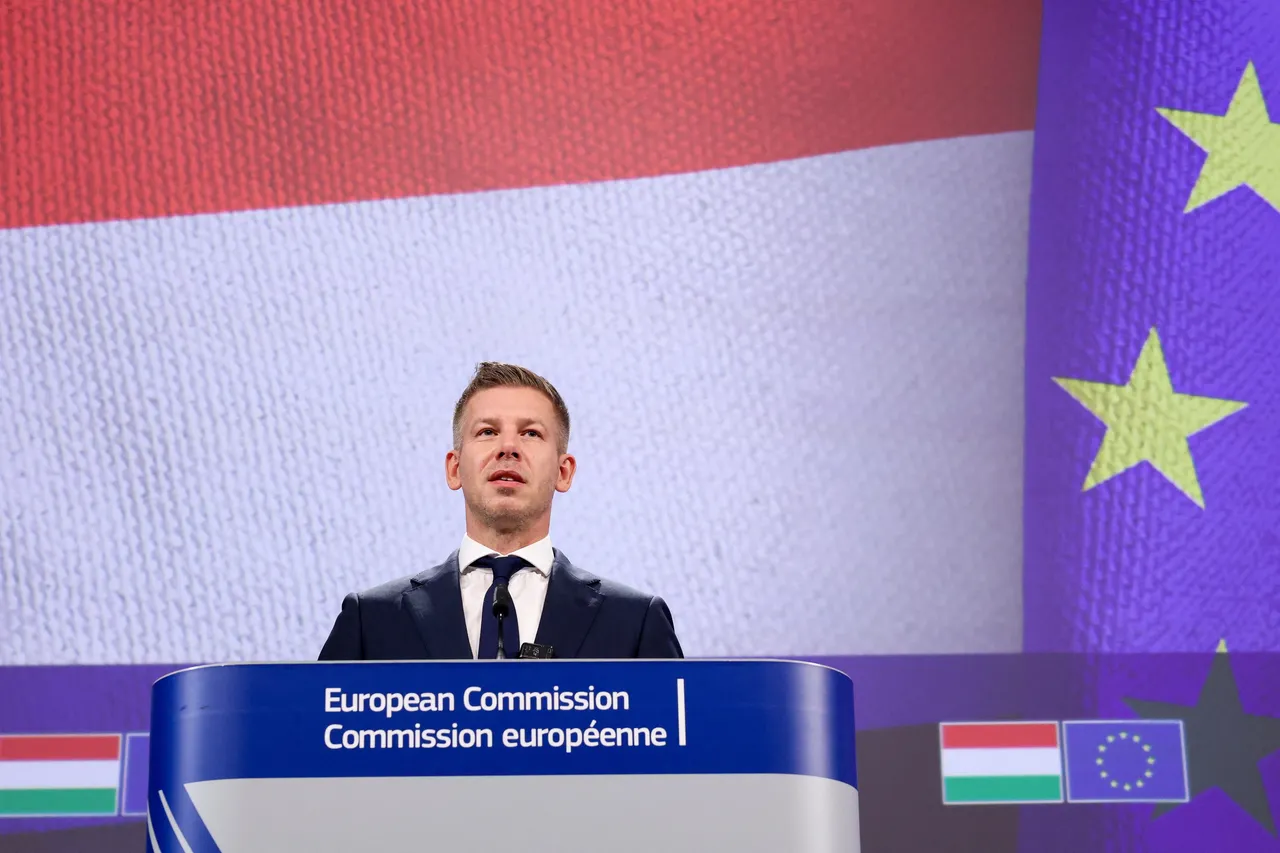

Peter Magyar Threatens Legal Action Against President Sulyok
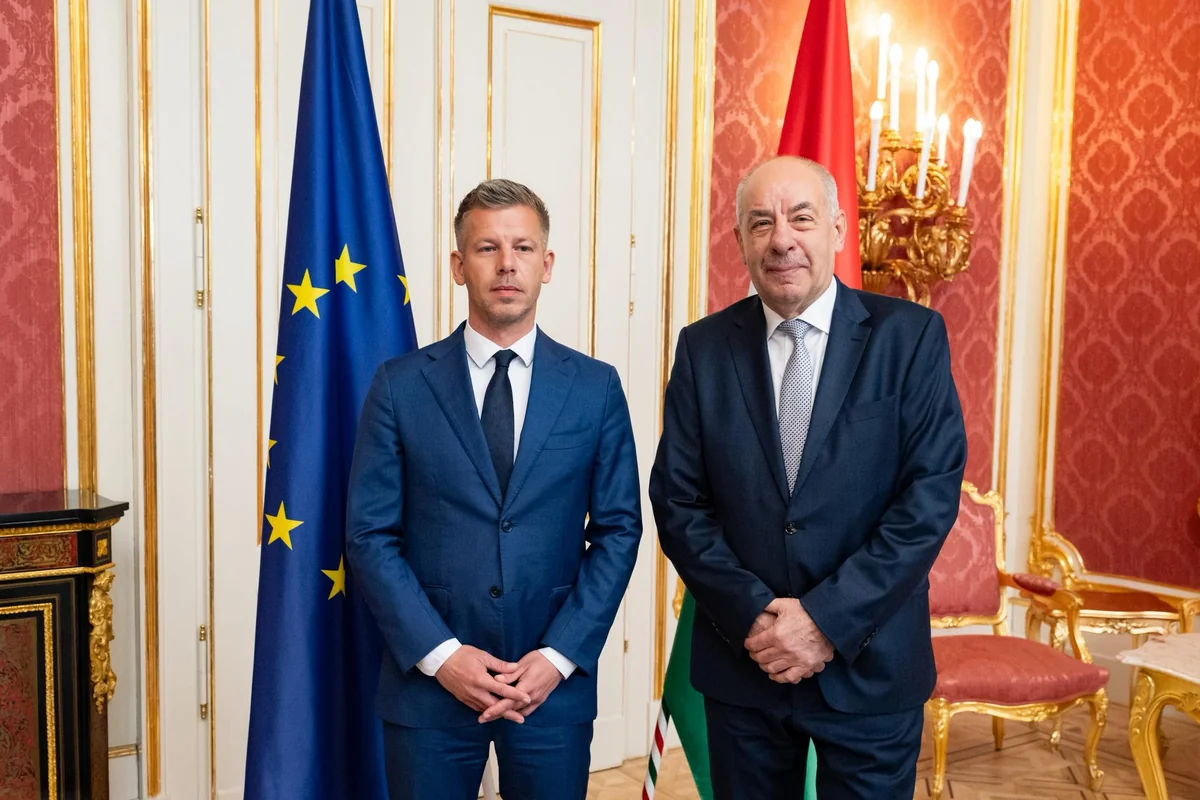
Prime Minister Peter Magyar confirmed that he met with President Tamas Sulyok and urged him to step down from office.
According to Magyar, the president has failed to act as a unifying figure for the country and has instead served the interests of the previous administration. After the meeting, Magyar stated that if Sulyok refuses to resign voluntarily, lawmakers from the governing Tisza party will begin the legal process necessary to remove him from office.
The announcement marks a major escalation in the political standoff between Hungary’s newly elected government and institutions associated with the previous ruling party.
What Triggered the Conflict?
The disagreement stems from the political transition that followed Hungary’s national elections.
Magyar’s centre-right Tisza party secured a decisive victory, ending Viktor Orban’s lengthy period in power. Following the election, the new government pledged to reform state institutions and review appointments made under the former administration.
As part of that effort, Magyar has repeatedly called for President Sulyok to resign, arguing that the office requires greater political neutrality.
President Sulyok Refuses to Step Down
Despite the pressure, President Tamas Sulyok has made it clear that he does not intend to resign.
Sulyok was elected president in early 2024 by lawmakers from the Fidesz party. His current term is scheduled to continue until 2029.
The president’s refusal has set the stage for a constitutional and political battle that could reshape Hungary’s governance structure in the coming months.
Hungary’s New Government Pushes Institutional Changes
The Peter Magyar move to remove President Sulyok is part of a broader effort by the new administration to replace officials viewed as closely aligned with the previous government.
Magyar has argued that certain individuals occupying key positions played a role in weakening democratic institutions and limiting political accountability.
Planned Reforms by the Tisza Government
The government has outlined several objectives, including:
- Reviewing appointments made during the previous administration
- Strengthening institutional independence
- Reforming constitutional provisions
- Increasing government transparency
- Expanding democratic oversight mechanisms
Supporters of the reforms believe these changes are necessary to modernize Hungary’s political system.
Critics, however, argue that replacing officials appointed by previous governments could create concerns about political interference in independent institutions.

Constitutional Changes Could Be Used
Magyar has indicated that his party may rely on its strong parliamentary majority to introduce constitutional amendments and legislative reforms.
These measures could potentially create a legal pathway for removing President Sulyok from office even if he continues to reject demands for resignation.
The government believes its parliamentary strength provides a mandate to pursue institutional changes promised during the election campaign.
Fidesz Responds to the Removal Threat
The opposition Fidesz party strongly criticized Magyar’s statements.
Party representatives described the demand for resignation as an unlawful ultimatum and argued that President Sulyok is serving a legally valid term.
According to Fidesz, the president cannot simply be removed because a new government disagrees with his political background or previous affiliations.
Opposition Raises Constitutional Concerns
Fidesz officials have warned that attempts to force the president from office could undermine constitutional stability.
The party argues that Hungary’s institutions should remain protected from political pressure regardless of which party controls parliament.
This disagreement reflects a wider debate about the balance between democratic reform and institutional continuity.
Political Tensions Continue to Grow
The exchange between the government and opposition has intensified public discussion regarding the future direction of Hungarian politics.
Observers note that conflicts between newly elected governments and officials appointed by previous administrations are not uncommon in democratic systems. However, the outcome often depends on constitutional procedures and legal interpretations.
The Role of Hungary’s President
Although the presidency in Hungary is largely ceremonial, the position still carries important constitutional responsibilities.
President Sulyok possesses several powers that can influence the legislative process.
Key Presidential Powers
The Hungarian president can:
- Return legislation to parliament for reconsideration
- Refer laws to the Constitutional Court
- Review legal measures before they take effect
- Represent national unity and constitutional order
- Perform ceremonial state functions
These responsibilities give the office significant influence despite its limited executive authority.
Why the Position Matters
One reason the Peter Magyar move to remove President Sulyok has attracted attention is that the president can slow or challenge government initiatives through constitutional mechanisms.
If the government pursues major reforms, the president could use his authority to request legal reviews or return legislation for further parliamentary debate.
As a result, the presidency remains an important institution within Hungary’s political framework.
Background on Tamas Sulyok
Before becoming president, Tamas Sulyok held several prominent legal positions.
Most notably, he served as the head of Hungary’s highest court.
Legal Career and Judicial Experience
Sulyok’s background is primarily in law and constitutional matters.
His experience within Hungary’s judicial system contributed to his selection for the presidency. Supporters often point to his legal expertise as evidence of his qualifications for the role.
However, critics argue that his appointment by Fidesz lawmakers created perceptions of political alignment with the previous government.
Presidency Since 2024
Since taking office in 2024, Sulyok has maintained that he acts within the constitutional responsibilities assigned to the presidency.
The current dispute has placed his role under increased scrutiny as the new government seeks to implement its political agenda.
What Happens Next?
The coming weeks will likely determine whether the political dispute evolves into a formal constitutional process.
Magyar has stated that the necessary legislative procedures could begin immediately and may take approximately one month to advance through parliament.
Several factors will influence the outcome:
- Parliamentary support for removal efforts
- Constitutional requirements for presidential removal
- Legal challenges that may arise
- Responses from opposition parties
- Public reaction to proposed reforms
The situation remains fluid, and additional political negotiations may occur before any final decision is reached.
Broader Impact on Hungarian Politics
The confrontation between the government and president represents a major test for Hungary’s political institutions after a historic electoral transition.
Supporters of the government view the proposed action as part of a broader effort to reform state institutions and increase accountability.
Opponents argue that constitutional safeguards should protect officials from politically motivated removal efforts.
Regardless of the outcome, the dispute is expected to play a significant role in shaping Hungary’s political landscape throughout the coming years.

FAQ
Why does Peter Magyar want President Tamas Sulyok to resign?
Peter Magyar argues that President Tamas Sulyok has not acted as a neutral representative of national unity and has remained closely aligned with the interests of the previous government led by Viktor Orban.
Can Hungary’s parliament legally remove President Sulyok?
Any attempt to remove the president would need to follow constitutional and legal procedures. The exact process would depend on parliamentary actions, constitutional provisions, and potential legal reviews.
What powers does Hungary’s president have?
Although the role is largely ceremonial, the president can return laws to parliament, refer legislation to the Constitutional Court, and influence the legislative process through constitutional oversight mechanisms.
How could the dispute affect Hungary’s political future?
The conflict could influence constitutional reforms, institutional restructuring, and the relationship between Hungary’s executive leadership and independent state offices in the years ahead.
In conclusion, the Peter Magyar move to remove President Sulyok has created a major political confrontation in Hungary. With the president refusing to resign and the government considering legal and constitutional measures, the coming weeks could prove critical for the country’s political institutions and reform agenda. The outcome will likely have lasting implications for Hungary’s governance and democratic framework.
Click here for more news


