


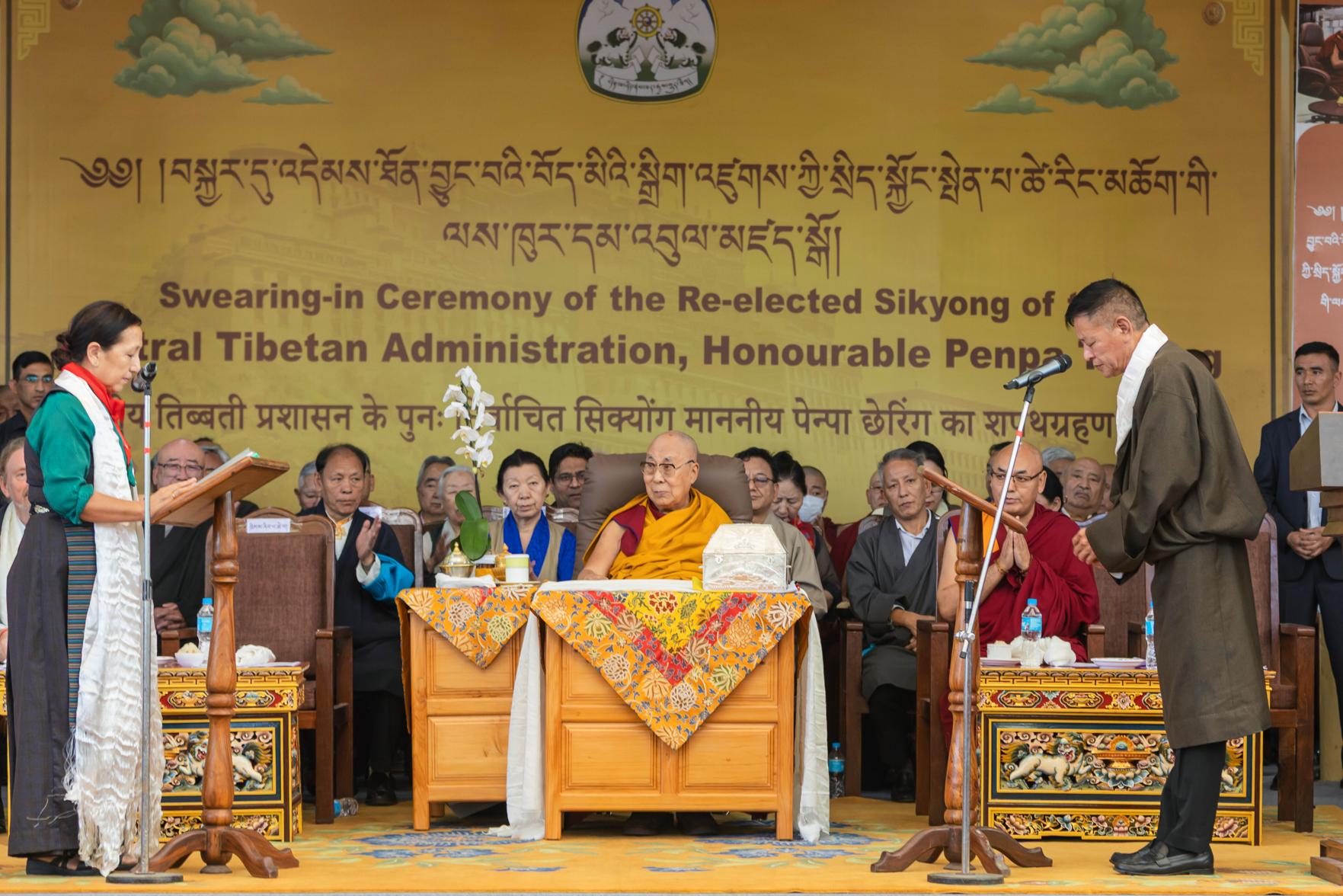
Penpa Tsering second term swearing in has been officially completed after he was inaugurated as the leader of the Central Tibetan Administration (CTA), marking the beginning of another term in office following a decisive electoral victory.
The ceremony took place in McLeod Ganj near Dharamsala, India, where Tibetan exile officials, monks, and community members gathered to witness the swearing-in event.
Tsering secured his second term after winning a significant share of votes across Tibetan communities in multiple countries.

Penpa Tsering Begins Second Term in Office
Penpa Tsering has officially started his second term as the Sikyong, the political leader of the Tibetan exile government.
His reappointment follows a democratic election held across the global Tibetan diaspora.
Swearing-In Ceremony Held in McLeod Ganj
The inauguration ceremony took place at Namgyal Monastery in McLeod Ganj, a key location for the Tibetan exile community.
Key highlights of the ceremony included:
- Formal oath-taking by Penpa Tsering
- Attendance of senior Tibetan officials and monks
- Cultural and religious observances
- Participation of members of the Tibetan diaspora
The Penpa Tsering second term swearing in event was marked by symbolic religious rituals reflecting Tibetan cultural traditions.
Significance of the Second Term
Tsering’s second term is seen as a continuation of leadership within the Central Tibetan Administration.
Observers note that continuity in leadership may help maintain ongoing political advocacy and cultural preservation efforts for Tibetan communities in exile.
Electoral Victory Across 27 Countries
Penpa Tsering secured his position after a broad international voting process involving Tibetan communities around the world.
Strong Mandate From Global Voters
According to election results, Tsering received approximately 61 percent of the total vote.
Voting took place across 27 countries, reflecting the global spread of the Tibetan diaspora.
This wide participation highlighted the importance of the election for Tibetan communities outside their homeland.
Democratic Process Within the Exile Community
The Central Tibetan Administration operates a structured democratic system for selecting its leadership.
Key features include:
- Global voter participation
- Representation of exile communities
- Transparent ballot counting process
- Multi-stage electoral procedures
The Penpa Tsering second term swearing in followed this established democratic framework.
Role of the Central Tibetan Administration
The Central Tibetan Administration (CTA) functions as the political institution representing Tibetans in exile.
It is based in Dharamsala, India, and oversees governance, cultural preservation, and international advocacy.
Responsibilities of the Sikyong
As Sikyong, Penpa Tsering is responsible for:
- Leading the Tibetan exile government
- Representing Tibetan interests internationally
- Overseeing administrative functions
- Supporting cultural and religious preservation
His leadership plays a key role in maintaining cohesion among Tibetan communities worldwide.
Importance of Governance in Exile
The CTA serves as a central structure for Tibetans living outside their homeland.
It focuses on preserving identity, promoting education, and advocating for political and cultural rights on global platforms.
The Penpa Tsering second term swearing in reinforces continuity in these efforts.
Ceremony at Namgyal Monastery
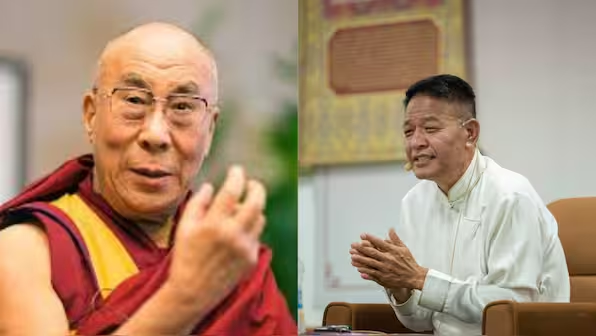
The swearing-in ceremony was held at Namgyal Monastery, a significant religious institution for Tibetan Buddhism.

Religious and Cultural Symbolism
The venue reflects the strong connection between Tibetan governance and spiritual tradition.
Elements of the ceremony included:
- Buddhist prayers and blessings
- Traditional ceremonial attire
- Monastic participation
- Community gatherings
The setting emphasized unity between cultural identity and political leadership.
Attendance and Community Support
Tibetan monks, officials, and community members attended the event.
The gathering demonstrated continued support for democratic governance within the exile community.
Global Tibetan Diaspora Participation
The election that led to Penpa Tsering’s second term involved widespread participation from Tibetan communities living outside Tibet.
Voting Across Multiple Regions
Ballots were cast across 27 countries, including regions with significant Tibetan populations.
This global participation reflects:
- Strong diaspora engagement
- Commitment to democratic processes
- Shared cultural identity across borders
Importance of Diaspora Engagement
The Tibetan exile community relies heavily on global participation to maintain its political system.
Diaspora involvement ensures representation despite geographical displacement.
The Penpa Tsering second term swearing in highlights the strength of this international structure.
Political and Cultural Significance
Penpa Tsering’s continued leadership carries both political and cultural importance for Tibetans in exile.
Continuity in Leadership
A second term provides stability within the Central Tibetan Administration.
It allows ongoing policies and initiatives to continue without interruption.
Preservation of Tibetan Identity
The CTA plays a key role in preserving Tibetan language, religion, and cultural traditions.
Leadership continuity supports long-term cultural preservation efforts.
Challenges Facing the Tibetan Exile Community
Despite stable leadership structures, the Tibetan exile community continues to face several challenges.
Key Issues Include:
- Stateless governance limitations
- Cultural preservation pressures
- International political complexities
- Generational transition concerns
These challenges require sustained attention from leadership and global supporters.
Role of International Advocacy
The CTA continues to engage with international partners to raise awareness of Tibetan issues.
Diplomatic engagement remains an important part of its global strategy.

FAQ
Who is Penpa Tsering?
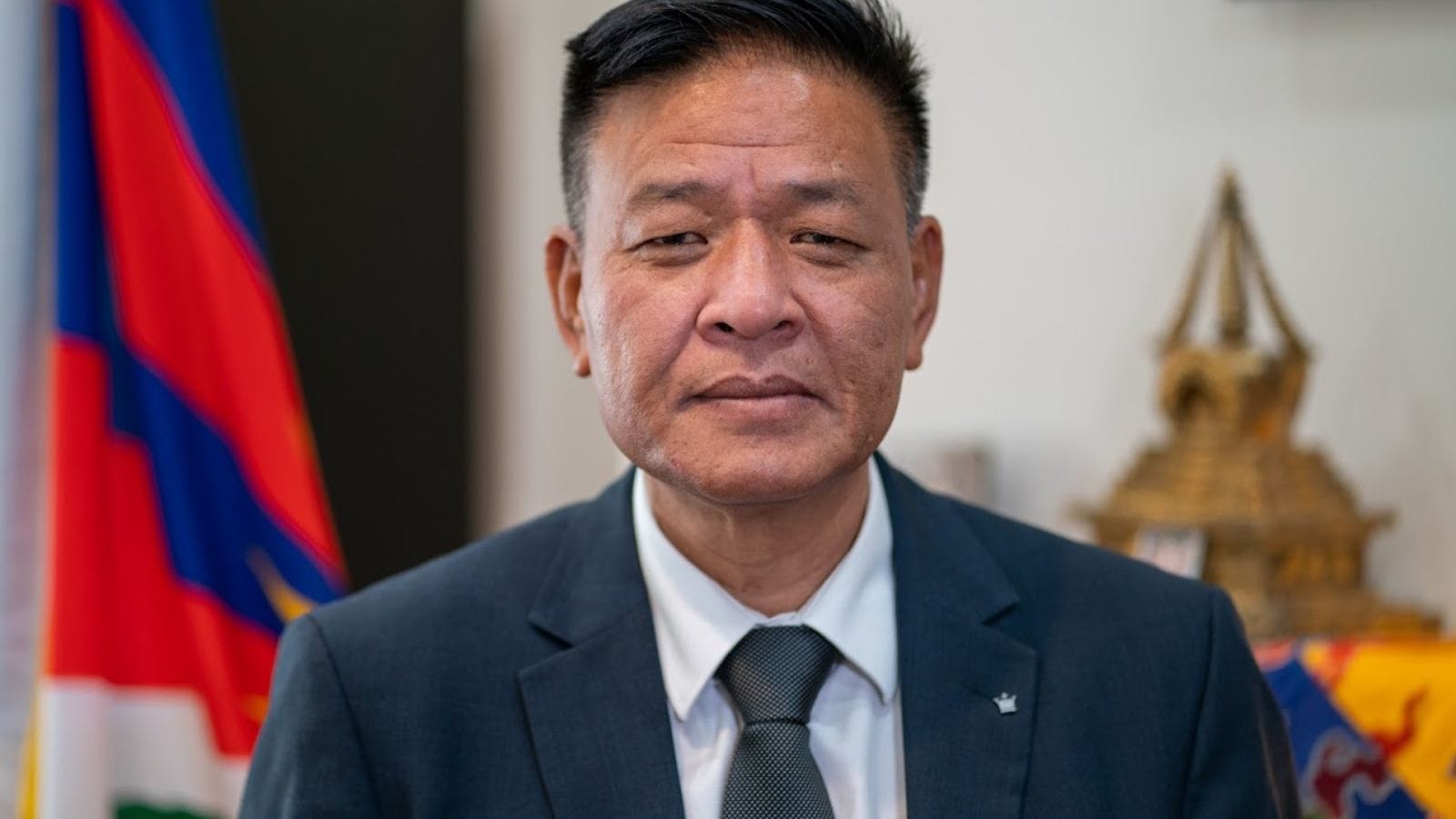
Penpa Tsering is the elected leader (Sikyong) of the Central Tibetan Administration, representing Tibetans in exile.
How was Penpa Tsering re-elected?
He won approximately 61 percent of votes in an election conducted across 27 countries.
Where did the swearing-in ceremony take place?
The ceremony was held at Namgyal Monastery in McLeod Ganj near Dharamsala, India.
What is the role of the Sikyong?
The Sikyong leads the Tibetan exile government and represents Tibetan interests globally.
Conclusion
The Penpa Tsering second term swearing in marks a continuation of democratic leadership within the Tibetan exile community. With strong global voter participation and symbolic ceremonies reflecting cultural heritage, the event reinforces both political continuity and cultural preservation. As the Central Tibetan Administration moves forward, leadership stability is expected to support ongoing efforts to advocate for Tibetan identity and governance in exile.
Click here for more news


