


The Palestine Action ban appeal has ended in a significant legal victory for the UK government after senior judges overturned an earlier High Court ruling and upheld the decision to ban the activist group.
The Court of Appeal ruled that the government’s proscription of Palestine Action was lawful, concluding that the original court decision was based on a misunderstanding of official policy and an incorrect assessment of legal proportionality.
The judgment represents a major development in a case that has attracted national attention and sparked debate over security laws, civil liberties, and protest movements.
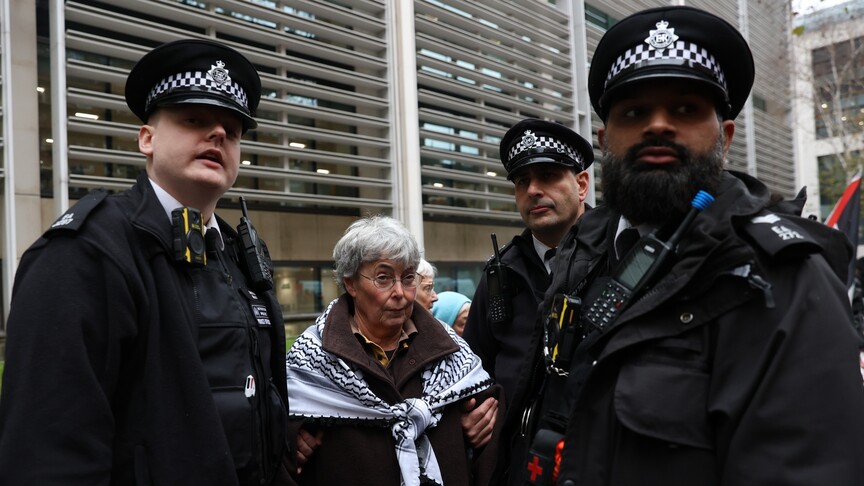

Court of Appeal Reverses Earlier High Court Decision
The Palestine Action ban appeal centered on whether the government’s decision to proscribe the group under the Terrorism Act 2000 was lawful.
Senior judges ultimately ruled in favor of the government.
Judges Reject Previous Interpretation
The court found that the earlier High Court judgment relied on a misinterpretation of the government’s proscription policy.
According to the ruling, the previous decision incorrectly assessed how future risks should be evaluated when determining whether an organization should remain banned.
Appeal Allowed by Senior Judges
Lady Chief Justice Sue Carr stated that the court concluded the government’s decision achieved a fair balance between public safety concerns and legal rights.
As a result, the appeal brought by the Home Office was allowed.
Court Rejects Characterization of Group as Non-Violent
A key issue in the Palestine Action ban appeal involved the nature of the group’s activities.
Judges Cite Property Damage and Injuries
The court stated that it was not reasonable to characterize Palestine Action as a non-violent organization.
Judges noted that the group’s activities had resulted in property damage and injuries over time.
Assessment of Organizational Structure
The ruling also referenced the group’s operational methods, including the use of secretive structures designed to avoid detection and prosecution.
The court considered these factors when evaluating the legality of the ban.
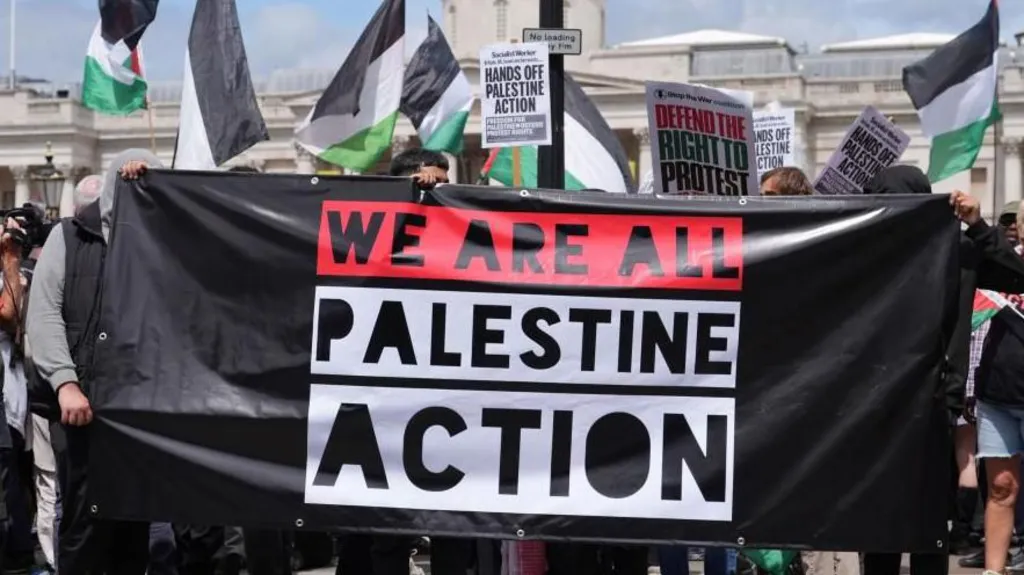

Co-Founder’s Cross-Appeal Dismissed
The Palestine Action ban appeal also included a challenge brought by co-founder Huda Ammori.
Court Rejects Additional Challenge
Judges dismissed Ammori’s cross-appeal application, further strengthening the government’s legal position.
The decision leaves the current proscription in place.
Earlier Legal Victory Overturned
The original High Court ruling in February had found that the ban was unlawful.
Monday’s judgment effectively overturns that earlier decision and restores full legal backing for the government’s position.
Background to the Palestine Action Ban
The Palestine Action ban appeal stems from the government’s decision to proscribe the group last year.
Ban Introduced Under Terrorism Act
The organization was banned under provisions of the Terrorism Act 2000.
The proscription officially came into force on July 5, 2025.
Criminal Offences Linked to Membership
Under UK law, membership of or support for a proscribed organization may constitute a criminal offence.
Convictions can carry substantial penalties, including prison sentences.
Thousands Arrested Since Proscription
The Palestine Action ban appeal has drawn further attention because of the number of arrests linked to the group’s ban.
Enforcement Continues
Authorities have continued enforcing the proscription while legal challenges progressed through the courts.
The ban remained active throughout the appeal process.
Significant Public Debate
The issue has generated widespread discussion among legal experts, politicians, activists, and members of the public.
Supporters and critics of the ban have continued to debate its implications.
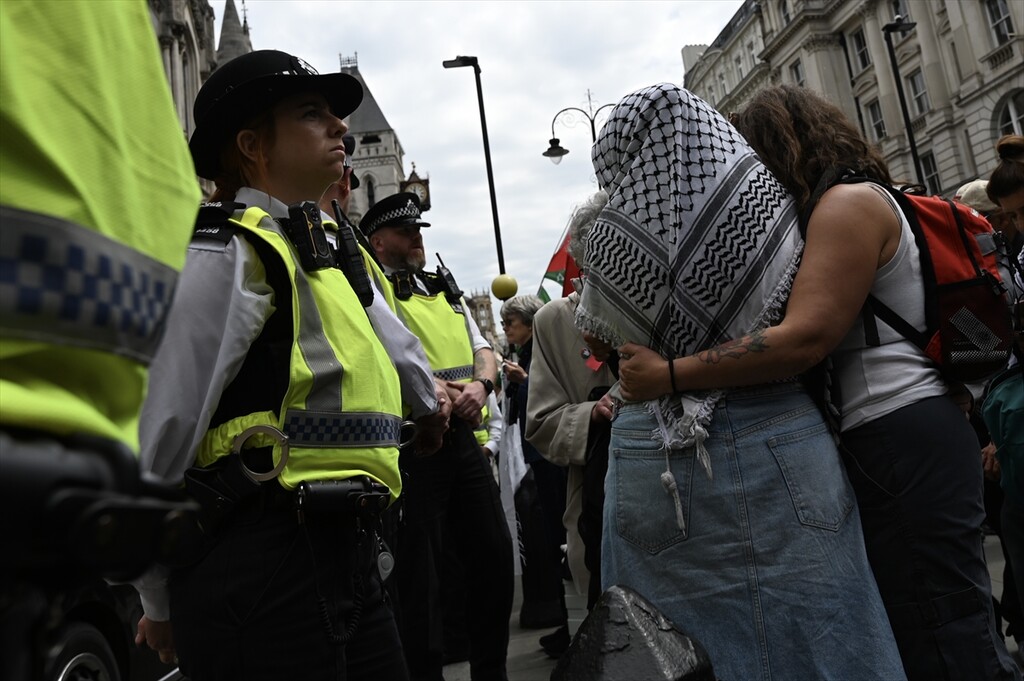

Demonstrations Follow Court Ruling
The Palestine Action ban appeal ruling prompted reactions from demonstrators gathered outside the Royal Courts of Justice in London.
Public Response
Pro-Palestinian protesters assembled outside the court as the judgment was delivered.
Some demonstrators expressed disappointment with the outcome of the appeal.
Continuing Controversy
Judges acknowledged that the case remains highly controversial and that many supporters of the group are otherwise law-abiding citizens.
However, the court emphasized that its decision was based on legal considerations regarding the organization’s activities.
What Happens Next?
The Palestine Action ban appeal decision is a major legal milestone, but discussions surrounding the case are expected to continue.
Ban Remains in Force
The court’s decision means the proscription remains fully effective under UK law.
Authorities will continue enforcing the restrictions associated with the ban.
Future Legal Options
While the appeal court has ruled in favor of the government, further legal avenues could potentially be explored depending on future developments.
FAQ
What was the Palestine Action ban appeal about?
The appeal concerned whether the UK government’s decision to ban Palestine Action under the Terrorism Act 2000 was lawful.
Who won the Palestine Action ban appeal?
The UK government won the appeal after senior judges overturned an earlier High Court ruling.
Why did the court uphold the ban?
Judges concluded that the government acted lawfully and that the previous ruling was based on a misinterpretation of proscription policy.
Does the ban remain in effect?
Yes. The ruling confirms that the ban remains in force and continues to be legally enforceable.
The Palestine Action ban appeal marks a significant legal victory for the UK government and reinforces the current proscription of the organization. While the decision is likely to remain a subject of public debate, the Court of Appeal’s ruling has clarified the legal basis for maintaining the ban under existing legislation.
PLEASE CLICK HERE FOR MORE NEWS


