


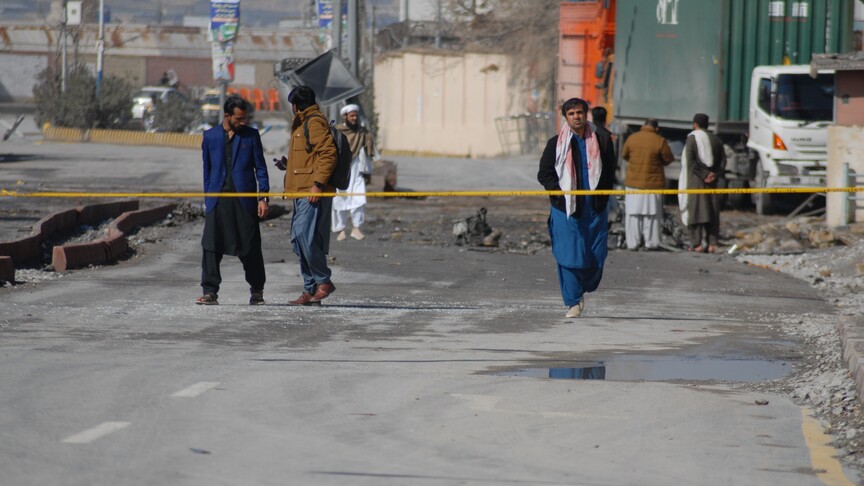
The Pakistan mosque suicide bombing in Khyber Pakhtunkhwa has left at least one person dead and several others injured after an attacker detonated explosives near a place of worship during Friday prayers. The incident adds to ongoing security concerns in Pakistan’s northwestern region, where militant attacks have increased in recent years.
Authorities say the explosion occurred outside a mosque in Lakki Marwat district, disrupting a large congregation gathered for weekly prayers. Emergency teams quickly responded to the scene, while security forces cordoned off the area for investigation.
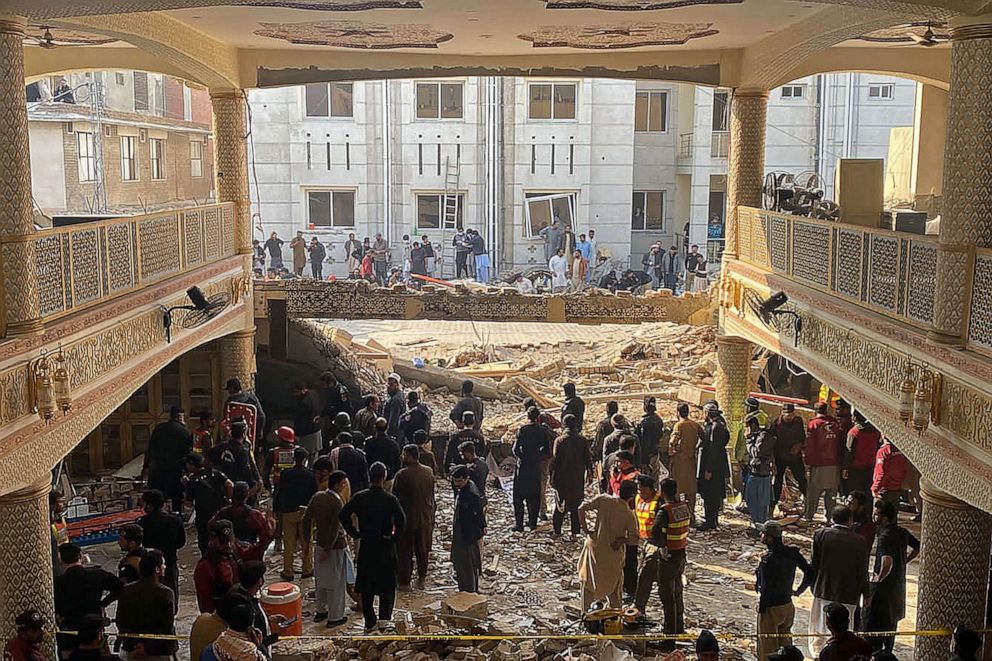

Attack During Friday Prayers Raises Security Concerns
The Pakistan mosque suicide bombing took place in the Khairo Khel area of Lakki Marwat district, a locality within the broader Khyber Pakhtunkhwa province known for periodic security incidents.
Incident occurred outside mosque entrance
According to initial police reports, the attacker attempted to enter the mosque but was unable to reach inside before detonating explosives at the entrance.
Key early findings include:
- The blast occurred outside the mosque structure
- Worshippers were gathered for Friday congregational prayers
- The attacker reportedly failed to enter the building
- Explosives were detonated at close range to civilians
Immediate impact on worshippers
The explosion caused panic among worshippers and nearby residents. Emergency responders transported the injured victims to a nearby hospital for treatment.
Reports confirm:
- 1 civilian killed
- 7 people injured
- Victims taken to medical facilities for emergency care
- Area immediately secured by law enforcement
Police Investigation Into Pakistan Mosque Suicide Bombing
Security officials have launched a full investigation into the Pakistan mosque suicide bombing to determine the identity of the attacker and possible networks behind the incident.
Security response and area lockdown
Following the explosion, authorities moved quickly to contain the situation.
Steps taken include:
- Cordoning off the entire area
- Deploying police and security personnel
- Restricting civilian movement near the mosque
- Beginning evidence collection from the scene
Preliminary findings from investigators
Early assessments suggest the attacker acted alone, although officials have not ruled out broader organizational involvement.
Investigators are focusing on:
- Identity of the suicide bomber
- Possible security breaches in the area
- Source and type of explosive material used
- Any prior intelligence warnings
Rising Militancy in Khyber Pakhtunkhwa Region
The Pakistan mosque suicide bombing highlights ongoing instability in Khyber Pakhtunkhwa, a region that has experienced repeated militant activity over the years.
History of violence in Lakki Marwat
Lakki Marwat district has been identified as one of the southern areas in the province where security incidents have increased.
Patterns observed include:
- Frequent attacks targeting security personnel
- Presence of militant networks in rural zones
- Periodic bombings and armed clashes
- Continued military and police operations
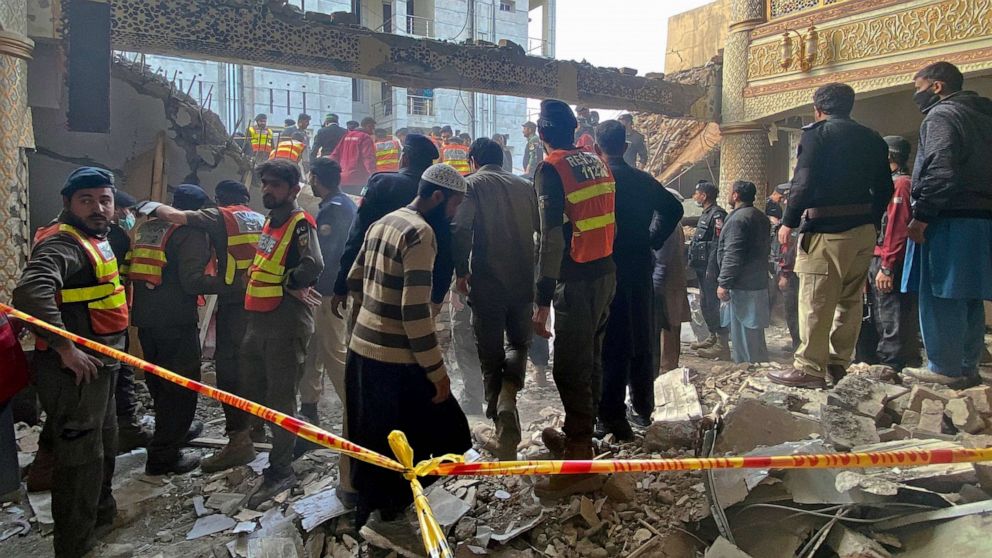

Broader security challenges in Pakistan
Pakistan has faced a resurgence of militant violence, especially in:
- Khyber Pakhtunkhwa province
- Balochistan region in the southwest
These developments have prompted:
- Ongoing counter-terrorism operations
- Increased military deployments in sensitive districts
- Enhanced surveillance in border and rural areas
Community Impact and Emergency Response
The Pakistan mosque suicide bombing has also had a significant impact on local communities, particularly those who rely on mosques as central gathering points for worship and social connection.
Emergency medical response
Hospitals near the incident site received injured victims shortly after the blast.
Response efforts included:
- Rapid ambulance deployment
- Emergency treatment for blast injuries
- Coordination between local hospitals
- Stabilization of critical patients
Public safety concerns
Residents in the area have expressed concern about repeated attacks and the safety of public spaces during prayer gatherings.
Key concerns include:
- Security at religious sites
- Protection of civilians during large gatherings
- Effectiveness of local policing
- Prevention of future attacks
Government and Security Outlook
Authorities are expected to intensify security operations following the Pakistan mosque suicide bombing, particularly in districts identified as high-risk zones.
Likely next steps
Security analysts suggest the response may include:
- Expanded intelligence operations
- Increased checkpoints in vulnerable areas
- Joint police and military patrols
- Review of mosque security protocols
Regional stability efforts
Officials continue to emphasize long-term stabilization efforts, focusing on:
- Counter-militancy operations
- Community policing strategies
- Cross-border security monitoring
- Intelligence-sharing improvements
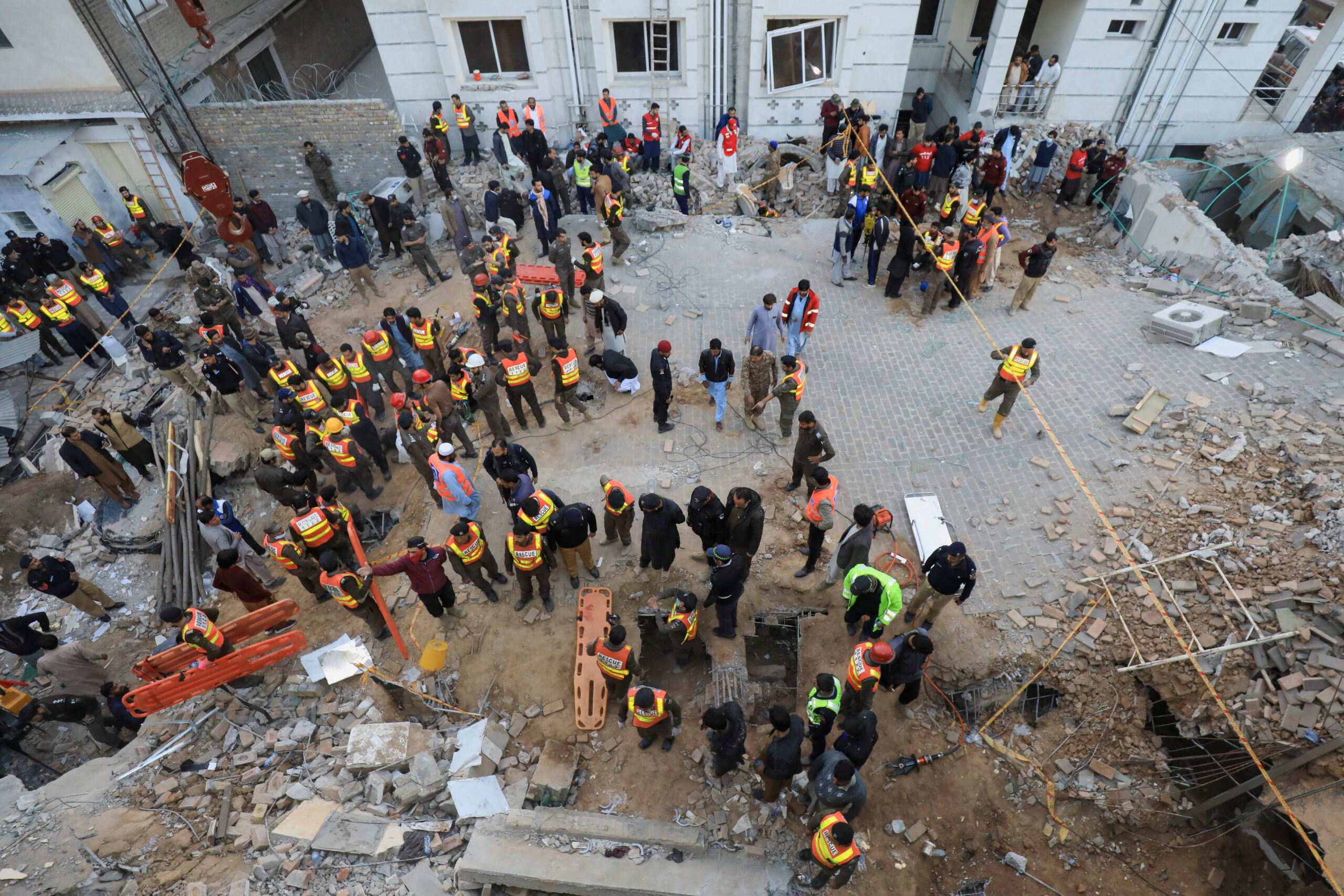
Rescue workers look for survivors under a collapsed roof, after a suicide blast in a mosque in Peshawar, Pakistan January 30, 2023. REUTERS/Fayaz Aziz

FAQ Section
What happened in the Pakistan mosque suicide bombing in Khyber Pakhtunkhwa?
A suicide bomber detonated explosives near a mosque during Friday prayers, killing one person and injuring seven others.
Where did the Pakistan mosque attack take place?
The incident occurred in the Khairo Khel area of Lakki Marwat district in Khyber Pakhtunkhwa province.
Was the attacker able to enter the mosque?
No, preliminary reports indicate the attacker attempted but failed to enter before detonating explosives outside the building.
What is the security situation in the region?
Khyber Pakhtunkhwa has experienced increased militant activity in recent years, prompting ongoing security operations.
Conclusion
The Pakistan mosque suicide bombing in Khyber Pakhtunkhwa underscores continuing security challenges in regions affected by militant activity. With investigations ongoing, authorities are working to identify those responsible while strengthening measures aimed at preventing similar incidents in the future.
Click here for more news


