 0
0
 0
0
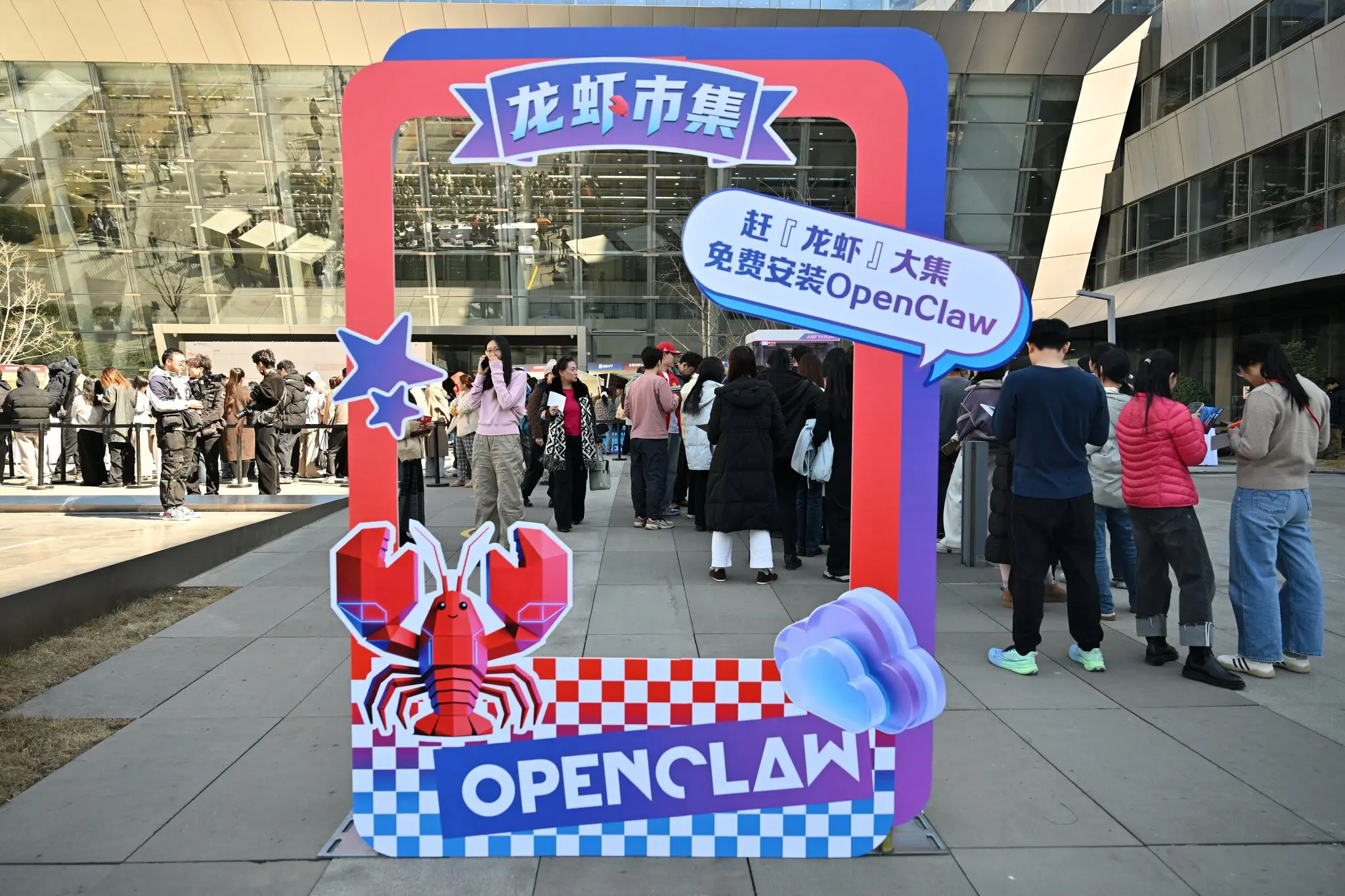
OpenClaw AI token crunch China is becoming a major talking point in the global artificial intelligence industry, as Chinese tech firms compete aggressively following a key decision by Anthropic to limit access to its models.
The move has triggered a wave of reactions across China’s fast-growing AI ecosystem, where companies are racing to offer cheaper and more scalable alternatives amid rising demand for computing power.
Why Anthropic Pulled Back From OpenClaw
The controversy began when Anthropic announced that its Claude AI models would no longer support usage through third-party tools like OpenClaw.
Key Reason Behind the Decision
According to the company, the change was necessary to:
- Prioritise existing customers
- Manage limited computational resources
- Maintain service quality amid rising demand

Impact on Developers and Users
This decision directly affects developers who relied on OpenClaw for integrating Claude into their workflows.
Immediate Consequences
- Reduced access to Claude via external tools
- Increased dependence on first-party platforms
- Disruption in existing AI applications
Rising Competition Among Chinese AI Firms
Following the announcement, Chinese companies quickly moved to fill the gap.
Companies Leading the Response
Firms such as MiniMax and Xiaomi publicly encouraged users to switch to their platforms.
They positioned themselves as:
- More affordable alternatives
- Flexible subscription-based services
- Developer-friendly ecosystems
Public Disagreements Emerge
The OpenClaw AI token crunch China debate intensified as companies began criticising each other openly.
MiniMax Criticism
MiniMax argued that restricting access to AI tools could:
- Limit innovation
- Reduce experimentation outside major labs
- Slow down the broader AI ecosystem
Xiaomi’s Counter Perspective
Meanwhile, Xiaomi took a more cautious stance, warning that:
- Price wars could harm the industry
- Cheap tokens may not be sustainable
- Long-term infrastructure challenges must be addressed
What Is Driving the Global AI Token Crunch?
At the heart of the issue is the increasing demand for AI tokens, a key measure of usage in AI systems.
Understanding AI Tokens
AI tokens represent units of text or data processed by AI models. Higher usage means:
- More computational power required
- Increased operational costs
- Greater strain on infrastructure
Surge in Demand From AI Agents
The rise of AI agents has significantly increased token consumption.
Key Drivers of Demand
- Automated coding tools
- AI assistants and chatbots
- Enterprise AI integrations

Limited Global Computing Capacity
Despite growing demand, computational resources remain limited.
This imbalance has led to:
- Higher costs for AI providers
- Restrictions on usage
- Strategic decisions like Anthropic’s withdrawal
Pricing Wars and Subscription Models
The OpenClaw AI token crunch China situation has also triggered aggressive pricing competition.
Rise of Token Subscription Plans
Chinese firms are introducing subscription models that allow users to pay fixed monthly or yearly fees.
Benefits of These Plans
- Predictable pricing
- Lower costs compared to API usage
- Increased accessibility for developers
Example of Competitive Pricing
Zhipu AI has introduced one of the lowest-cost plans in the industry.
- Around $84 per year
- Claims significantly higher usage compared to competitors
Risks of Undercutting Prices
However, experts warn that extremely low pricing may:
- Lead to unsustainable business models
- Reduce service quality
- Cause long-term financial losses

Concerns Over Performance and Reliability
As companies race to attract users, some early adopters have reported issues.
Common Complaints
- Reduced performance quality
- Rate limiting during peak usage
- Inconsistent response times
Industry Response
Some providers have already begun adjusting their pricing structures to address these concerns.
Innovation vs Sustainability Debate
The OpenClaw AI token crunch China debate highlights a key tension in the AI industry.
Innovation Perspective
Some companies argue that:
- Open access encourages creativity
- External developers drive innovation
- Restrictions limit progress
Sustainability Perspective
Others believe that:
- Infrastructure must catch up with demand
- Pricing should reflect real costs
- Long-term stability is more important than rapid growth
Growing Influence of Chinese AI Models
Despite entering the AI race later than some global competitors, Chinese firms are rapidly gaining traction.
Rapid Adoption of New Models
Xiaomi’s MiMo models have seen strong adoption among developers.
Key Achievements
- High usage rankings on AI marketplaces
- Rapid community growth
- Increased visibility globally
Criticism and Industry Tensions
However, success has also brought criticism.
Some competitors accuse leading firms of:
- Manipulating rankings
- Using aggressive growth tactics
- Creating unfair advantages
Broader Implications for the AI Industry
The OpenClaw AI token crunch China issue reflects broader global challenges.
Key Takeaways
- Demand for AI is growing faster than infrastructure
- Pricing strategies remain uncertain
- Competition is intensifying across regions
Future Outlook
The industry may see:
- More restrictions on AI usage
- Increased investment in computing infrastructure
- New pricing models balancing cost and access
FAQ Section
What is the OpenClaw AI token crunch China issue?
It refers to rising demand for AI tokens in China following Anthropic’s withdrawal from OpenClaw, leading to competition and pricing debates among AI firms.
Why did Anthropic restrict OpenClaw access?
The company cited the need to prioritise its own customers and manage limited computational resources.
Are cheaper AI subscriptions sustainable?
Experts suggest that extremely low pricing may not be sustainable due to high infrastructure costs.
How are Chinese companies responding?
They are launching subscription plans, lowering prices, and promoting their platforms as alternatives to US-based AI services.
Conclusion
The OpenClaw AI token crunch China situation underscores the growing complexity of the global AI landscape. As demand for AI services continues to surge, companies are forced to balance innovation, affordability, and sustainability. While competition is driving rapid advancements, it also raises important questions about the future structure and stability of the AI industry.
PLEASE CLICK HERE FOR MORE NEWS