 0
0
 0
0
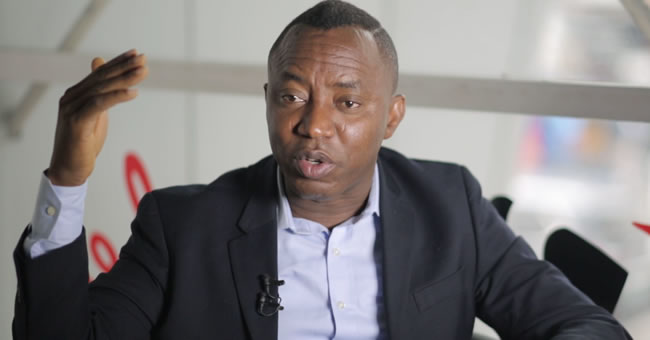
Omoyele Sowore on Nigerian opposition has revealed his reasons for refusing to align with mainstream opposition leaders such as Peter Obi and Atiku Abubakar, emphasizing a focus on fighting systemic rot rather than personal or political gains.
Refusing Mainstream Opposition
Omoyele Sowore on Nigerian Opposition Explains Refusal to Join Mainstream Leaders, a Nigerian publisher and former presidential candidate, stated in an interview on Channels Television that many politicians in opposition pursue the role for personal benefit rather than national reform.
Key Observations
-
Many opposition leaders are in their positions due to circumstances such as being out of favor with the current administration.
-
Opposition often serves personal interests rather than addressing structural corruption.
-
Leadership that focuses on looting or self-interest is not true opposition in Sowore’s view.
He stressed, “I’m interested in being opposed to the system but I’m not interested in joining opposition that is not opposed to the rot and the destruction that have been visited upon this country.”
Defining True Opposition
H3: Opposition Beyond Politics
Sowore explained that genuine opposition in Nigeria does not only include politicians but also encompasses citizens affected by systemic failures.
-
The oppressed Nigerian people represent a real check against corruption.
-
Youths, unemployed individuals, and workers lacking legal protections are key stakeholders in opposition efforts.
-
The fight is against systemic rot, not against individuals for political positioning.
H3: Opposition Motivated by Integrity
He distinguished between:
-
Nominal opposition: Those seeking titles, recognition, or political leverage without addressing the country’s problems.
-
Principled opposition: Citizens committed to accountability, reform, and systemic change.
“This might be opposition for the sake of opposition or for the nomenclature of opposition, and that’s what has been our position,” Sowore emphasized.
People-Driven Resistance
H3: The Role of Citizens
Sowore underlined the importance of a grassroots movement in challenging corruption and poor governance. He identified:
-
Nigerian youths striving for change.
-
The marginalized population seeking recognition and rights.
-
Workers whose contributions are overlooked or unprotected by law.
He stated, “People have been cheated, the weak and those who are oppressed, that’s the opposition we need, that’s a solid opposition that we are driving and we want to drive.”
H3: Mobilizing for a Better Nigeria
-
Sowore calls for collective action to foster peace, prosperity, and progress.
-
Citizens are urged to actively participate in initiatives that challenge systemic failures.
-
Focus on creating a movement that holds the system accountable, rather than seeking power for personal ambition.
Critique of Political Opportunism
Omoyele Sowore on Nigerian opposition remarks highlighted systemic issues in Nigeria’s political landscape:
-
Many opposition figures engage in politics for titles, privileges, or personal benefit.
-
Such engagement often fails to challenge corruption or promote effective governance.
-
He stressed the need for a principled opposition aligned with national interest rather than self-interest.
The Vision for Reform
H3: Revolution Through the People
Sowore envisions a movement rooted in popular participation:
-
Opposition driven by citizen action, not just political parties.
-
Emphasis on confronting corruption and holding leaders accountable.
-
Harnessing collective power for structural reform rather than political point-scoring.
H3: Encouraging Youth and Citizen Engagement
-
Nigerian youths and marginalized communities are critical to reform efforts.
-
Active civic participation is a cornerstone of Sowore’s model.
-
Sustained involvement can help build a system that serves all citizens.
H3: Sustaining Momentum
-
Commitment to continuous advocacy and accountability.
-
Education and awareness campaigns to inform citizens of their rights.
-
Mobilization for systemic change rather than transient political victories.
FAQ Section
Q1: Why does Omoyele Sowore refuse to join mainstream opposition?
A1: Sowore believes mainstream opposition leaders pursue personal gains and are not genuinely committed to addressing systemic corruption in Nigeria.
Q2: Who does Sowore consider true opposition in Nigeria?
A2: True opposition includes Nigerian citizens affected by corruption, youths, the unemployed, and workers lacking legal protections.
Q3: What is Sowore’s approach to reform?
A3: His approach focuses on people-driven opposition that mobilizes citizens to hold the system accountable and demand structural change.
Q4: How can Nigerians participate in Sowore’s movement?
A4: Citizens are encouraged to engage in grassroots initiatives, advocacy campaigns, and collective action to challenge systemic rot and promote accountability.
Conclusion
Omoyele Sowore on Nigerian opposition underscores the importance of principled, citizen-driven efforts against systemic corruption. By rejecting nominal political opposition and emphasizing the role of the people, Sowore advocates a movement aimed at genuine accountability, structural reform, and inclusive governance across Nigeria. His perspective calls for active engagement from all segments of society to ensure meaningful change and sustainable progress.
Click here for more news