


The northern India dust storms deaths tragedy has left at least 96 people dead after severe weather swept through several districts in Uttar Pradesh and nearby regions. Dust storms, heavy rainfall, and lightning strikes caused widespread destruction, damaged homes, disrupted transport systems, and injured dozens of residents.
Officials confirmed that the deadly weather system moved through northern India late Wednesday, affecting rural communities and urban areas alike. Emergency services were deployed immediately as authorities worked to clear roads, restore electricity, and assist affected families.
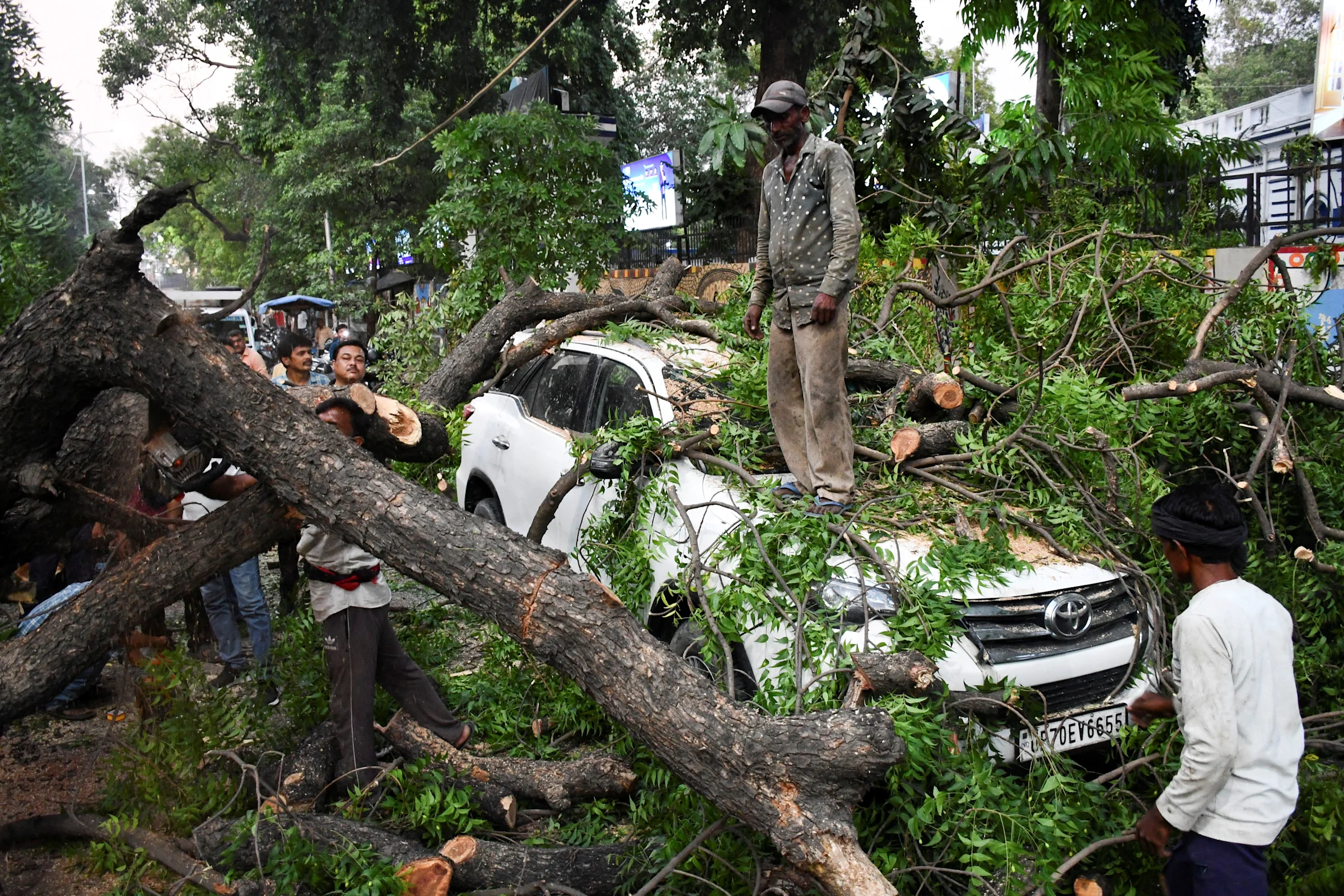

Deadly Dust Storms Hit Uttar Pradesh
Uttar Pradesh, India’s most populous state, recorded the highest number of casualties during the disaster. Local authorities reported that more than 50 people were also injured as the storms intensified across multiple districts.
The combination of strong winds, lightning, and torrential rain caused significant damage to homes and infrastructure. Many deaths were linked to falling trees, collapsing walls, and electrical hazards created during the storm.
Homes and Structures Damaged
Thousands of residents experienced property damage as winds tore through communities. Tin roofs were ripped away, mud houses collapsed, and power lines were destroyed in several areas.
Emergency response officials said rural districts suffered the most severe impact because many homes were unable to withstand the powerful weather conditions.
Some of the major forms of damage included:
- Collapsed mud and brick homes
- Fallen electric poles and power cables
- Uprooted trees blocking major roads
- Damage to farmland and crops
- Rail and transportation disruptions
Lightning Strikes Add to Casualties
Lightning strikes during the storm system contributed heavily to the death toll. Northern India frequently experiences lightning-related incidents during the pre-monsoon season, especially in open rural areas where farmers and laborers work outdoors.
Weather experts noted that unstable atmospheric conditions likely intensified the lightning activity during the storm.
Emergency Teams Deployed Across Districts
Disaster response units and police teams quickly began rescue operations after reports of destruction emerged from different districts. Workers used cranes and chainsaws to remove fallen trees and debris from highways and railway tracks.
Officials stated that restoring access to isolated communities became a top priority during the overnight rescue operations.
Residents Describe Panic During the Storm
Many residents described scenes of confusion and fear as the severe weather struck with little warning. Witnesses said the sky darkened rapidly before strong winds and heavy rain swept through neighborhoods.
Prayagraj Residents Recall Sudden Darkness
In Prayagraj district, several residents said the storm intensified within minutes.
According to local accounts, people rushed indoors as roofs began shaking violently and trees started collapsing nearby. Families remained inside for hours while emergency crews attempted to manage the dangerous conditions outside.
Residents reported hearing loud crashes throughout the evening as structures and trees fell across residential streets.


Bhadohi Families Escape Collapsing Homes
In neighboring Bhadohi district, families narrowly escaped injury after mud houses became unstable during the storm.
Some residents said walls began cracking due to intense wind pressure before roofs eventually collapsed. Several families sought shelter with relatives or community members overnight after losing parts of their homes.
The northern India dust storms deaths incident has once again highlighted the vulnerability of older rural housing structures during extreme weather events.
Why Dust Storms Are Common in Northern India
Dust storms are a regular occurrence in northern India during the hot season between March and June. These storms usually develop before the arrival of the annual monsoon rains.
Meteorologists explain that rising temperatures, dry soil conditions, and unstable atmospheric pressure often create powerful wind systems capable of carrying large amounts of dust across long distances.
Pre-Monsoon Weather Patterns
The period before the monsoon is known for rapidly changing weather conditions across northern India. Temperatures often exceed extreme levels, increasing the likelihood of thunderstorms and severe wind activity.
Key weather conditions that contribute to these storms include:
- High daytime temperatures
- Dry ground conditions
- Sudden moisture buildup in the atmosphere
- Strong pressure differences between regions
When these factors combine, severe thunderstorms and dust storms can form quickly.
Rural Areas Face Greater Risk
Rural communities are often more exposed during dust storms because of weaker infrastructure and limited emergency protection systems.
Mud houses, temporary roofing materials, and exposed farmland increase the risk of injuries and fatalities during high-wind weather events. Farmers working outdoors are also especially vulnerable to lightning strikes.
Experts have repeatedly called for stronger weather preparedness programs in vulnerable districts.
Government Orders Relief Operations
Uttar Pradesh Chief Minister Yogi Adityanath directed officials to speed up relief efforts following the deadly storms. Authorities were instructed to complete emergency response operations within 24 hours and provide assistance to affected families.
Government agencies began distributing aid and assessing damage shortly after the storms passed through the region.
Compensation for Affected Families
Officials confirmed that compensation and emergency financial support would be provided to families of those killed or injured during the disaster.
Relief teams also started evaluating crop losses and housing damage in affected rural districts.
Restoration of Electricity and Transport
Power outages were reported in several locations after electric poles and transmission lines were damaged. Repair crews worked overnight to restore electricity in affected communities.
Railway authorities and road maintenance teams also cleared fallen trees and debris from transportation routes to restore movement across districts.
Growing Concerns Over Extreme Weather in India
The northern India dust storms deaths disaster comes amid increasing concerns about extreme weather events across South Asia. India has experienced repeated incidents involving heatwaves, heavy rainfall, floods, and severe thunderstorms in recent years.
Climate researchers have warned that rising temperatures may increase the intensity and unpredictability of weather systems in the region.
Impact on Agriculture and Rural Communities
Farmers are among the hardest hit during severe storms because agriculture remains heavily dependent on stable weather conditions.
Strong winds and rain can destroy standing crops within minutes, leading to financial losses for farming families already dealing with rising temperatures and water shortages.
Need for Better Early Warning Systems
Disaster experts continue to stress the importance of stronger early warning systems and emergency preparedness programs.
Improved weather alerts, stronger rural infrastructure, and public safety awareness campaigns could help reduce casualties during future storms.
Several local agencies have already increased monitoring efforts during the current pre-monsoon season as weather conditions remain unstable.
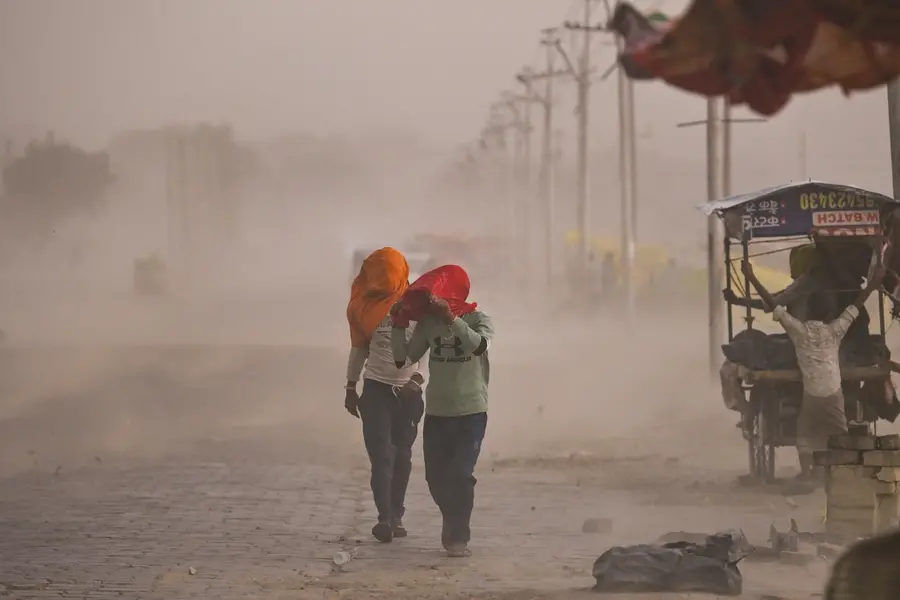

Rescue and Recovery Efforts Continue
Emergency operations remained active in multiple districts as authorities continued assessing the full extent of the damage. Rescue workers focused on restoring transportation access, helping displaced families, and preventing additional risks from damaged infrastructure.
Officials warned residents to remain cautious as changing weather conditions could trigger additional storms in parts of northern India over the coming days.
The northern India dust storms deaths incident has become one of the deadliest severe weather events recorded in the region this season.
FAQ Section
What caused the deadly dust storms in northern India?
The storms were caused by severe pre-monsoon weather conditions, including strong winds, unstable atmospheric pressure, heavy rainfall, and lightning activity.
How many people died in the northern India dust storms?
At least 96 people were reported dead, while more than 50 others sustained injuries across several districts in Uttar Pradesh.
Why are dust storms common in Uttar Pradesh before the monsoon?
Dust storms frequently occur during the hot season between March and June because of rising temperatures, dry soil conditions, and unstable weather patterns before monsoon rains arrive.
What damage did the storms cause in northern India?
The storms damaged homes, crops, roads, railway tracks, and power infrastructure. Falling trees, collapsing structures, and lightning strikes caused most of the casualties.
The severe weather disaster in northern India has underscored the challenges many communities face during the pre-monsoon season. Rescue teams and local authorities continue relief operations while affected families begin recovery efforts. Officials are also monitoring weather conditions closely to prevent further casualties if additional storms develop in the region.
Click here for more news


