



The North Korea fishing quota crackdown has intensified pressure on coastal fishing communities as authorities expand mandatory seafood collection policies. Fishers operating from Chongjin in North Hamgyong Province are now required to surrender up to 80% of their catch to state-run fishery management offices, leaving them with only a small portion for survival and trade.
The policy shift has significantly reduced incomes for fishing crews and disrupted long-standing informal fishing practices that once helped households supplement their earnings.
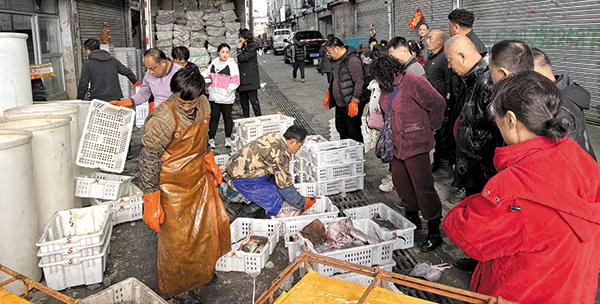

Expansion of State Fishing Quotas in North Korea
The North Korea fishing quota crackdown is part of a broader state effort to tighten control over seafood distribution and align production with national economic planning.
Under the current system:
- Registered fishing vessels must follow state production targets
- Up to 80% of all seafood catch is handed to the state
- Only 20% is retained by fishers for personal use or sale
These rules are enforced through state fishery management offices, including those operating in coastal cities such as Chongjin.
How the Quota System Works
The system is designed to ensure that seafood supplies are centrally controlled.
Key features include:
- Mandatory registration of fishing vessels
- Assigned catch quotas under national planning rules
- State collection of the majority share of seafood
This structure has increasingly reduced the autonomy of private fishers operating in coastal regions.
Rising Pressure During Peak Squid Season
The impact of the North Korea fishing quota crackdown is especially visible during squid season, when fishing activity is typically at its highest.
However, reports indicate:
- Many boats return with extremely low catches
- Some crews reportedly bring back fewer than five squid per trip
- Earnings have dropped sharply for both owners and workers
Economic Collapse of Part-Time Fishing Livelihoods
Fishing in North Korea has traditionally served as a secondary income source for many workers. The tightening of quotas has now undermined this system.
The End of “8·3 Work” Fishing Practices
Previously, many workers engaged in a system known locally as “8·3 work,” where:
- Workers paid a fee to their workplace
- They were allowed to pursue side income activities
- Fishing was a common supplementary livelihood
However, under the current North Korea fishing quota crackdown:
- Profit margins have collapsed
- Fishing is no longer financially viable for many households
- Participation in side fishing activities has declined significantly
Declining Income for Coastal Families
The reduced share of catch has created financial strain:
- Fishers retain only 20% of total catch
- Operating costs remain high for boat owners
- Crew members receive minimal returns
As a result, many fishing households report worsening economic conditions.
Rising Tension Between Boat Owners and Crew Members
The redistribution of seafood under state quotas has also triggered internal disputes within fishing teams.
Conflicts Over Remaining Catch
Because only a small portion of the catch is left after state collection, disputes have increased over how to divide it.
Common issues include:
- Disagreements between boat owners and crew
- Arguments over profit-sharing arrangements
- Rising dissatisfaction among low-paid workers
High Operational Costs Intensify Disputes
Boat owners face ongoing expenses such as:
- Fuel costs
- Equipment maintenance
- Fishing gear replacement
With reduced revenue from the remaining 20%, tensions between stakeholders have grown more severe under the North Korea fishing quota crackdown.
Impact on Local Markets and Food Supply
The effects of the policy extend beyond fishing communities into broader food distribution systems.
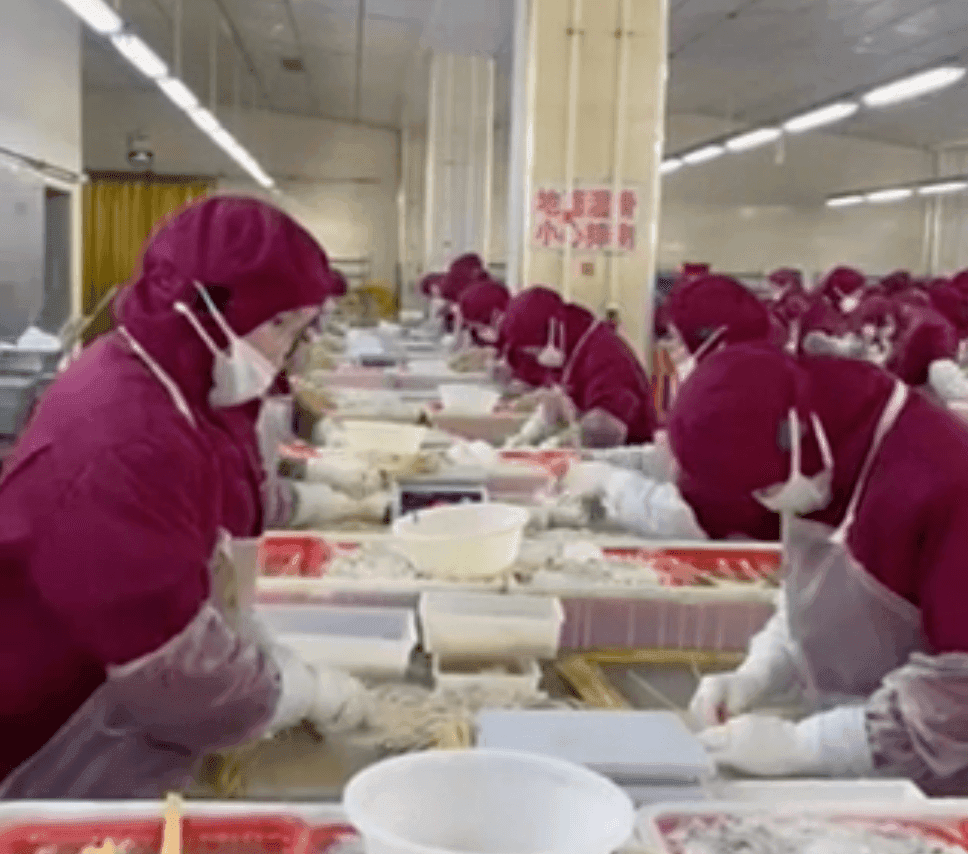

Decline in Seafood Availability at Local Markets
Reports suggest that seafood availability in local markets, known as jangmadang, has decreased.
Observed trends include:
- Reduced variety of fish products
- Lower overall seafood supply
- Higher difficulty for residents to purchase fresh fish
Despite state claims that seafood is being distributed through official channels, availability remains limited.
State-Controlled Distribution Challenges
The government has emphasized centralized distribution through state-run stores. However, reports from local sources suggest:
- Stores are often poorly stocked
- Distribution does not meet population demand
- Market systems remain strained
This imbalance has contributed to food access challenges in coastal regions.
Broader Economic and Policy Implications
The North Korea fishing quota crackdown reflects wider state efforts to strengthen control over essential goods and production systems.
Increased Centralization of Food Distribution
Authorities have expanded control over:
- Grain distribution
- Seafood supply chains
- Market trading systems
This approach is intended to reinforce state planning mechanisms but has also reduced private market flexibility.
Growing Gap Between Production and Supply
A key concern highlighted by observers is the mismatch between:
- Increased state collection of seafood
- Declining availability in consumer markets
This suggests inefficiencies in distribution and allocation systems.
Human Impact on Fishing Communities
The policy changes have had direct consequences for people living in coastal areas.
Reduced Livelihood Opportunities
Fishers report:
- Lower daily catches
- Reduced earnings
- Increased financial uncertainty
Some households now struggle to rely on fishing as a stable source of income.
Psychological and Social Strain
In addition to economic pressure, communities face:
- Increased workplace disputes
- Stress from unstable income
- Reduced trust between workers and management
These issues have intensified under stricter enforcement of quotas.
State Justification and Official Position
Authorities argue that centralized control ensures fair distribution of seafood across the population.
Government Distribution Claims
Officials maintain that:
- Seafood is being redistributed through state channels
- National planning improves resource allocation
- Supply chains are being stabilized
However, local reports suggest a gap between policy goals and actual availability.

Ongoing Enforcement of Economic Plans
The state continues to emphasize:
- Compliance with production quotas
- Strict monitoring of fishing operations
- Alignment with national economic targets
This enforcement remains a central feature of the current system.
FAQ
Why do North Korean fishers have to surrender 80% of their catch?
Fishers are required to hand over most of their catch under state quotas designed to centralize seafood distribution.
How has the fishing quota system affected incomes in North Korea?
Income has dropped significantly because fishers only retain 20% of their catch while operating costs remain high.
What is “8·3 work” in North Korea fishing communities?
It refers to a system where workers previously paid fees to engage in side income activities like fishing, which has now largely declined.
Has seafood availability improved in North Korean markets?
Reports indicate that seafood availability has actually decreased despite increased state collection.
Conclusion
The North Korea fishing quota crackdown highlights the growing tension between state economic control and local livelihoods. While authorities aim to centralize seafood distribution, fishers in coastal regions face declining incomes and reduced access to food resources. The situation continues to reflect broader challenges in balancing national planning with everyday economic realities.
Click here for more news


