


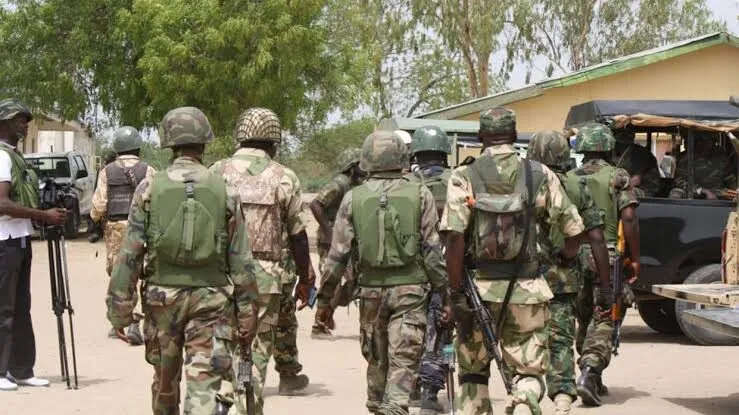
The Nigerian Army activist arrest allegations have sparked nationwide debate, as authorities defend their actions while critics question legal compliance and human rights standards.
Army Explains Reason Behind Activist Arrest
The Nigerian Army has publicly defended its decision to detain a social media influencer and activist, Justice Chidiebere, widely known as “Justice Crack.” According to official statements, the arrest is tied to an ongoing investigation into alleged attempts to incite dissatisfaction among military personnel.
Army spokesperson Appolonia Anele stated that the arrest followed complaints from soldiers regarding how their welfare issues were being discussed and portrayed online.
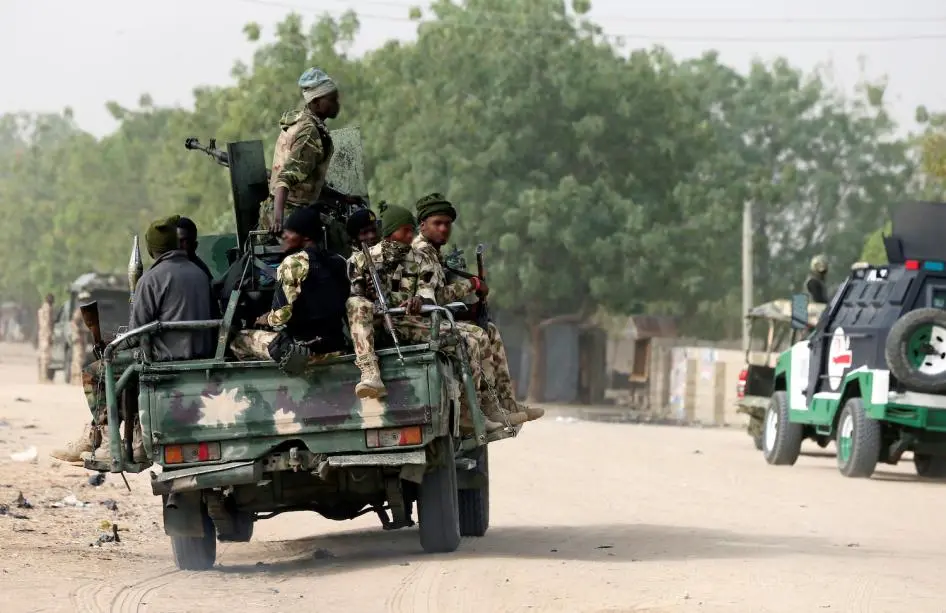

Concerns Raised by Soldiers
Military authorities revealed that some personnel expressed unease about interactions with the activist. These discussions reportedly focused on:
- Welfare conditions within the military
- Feeding and living standards
- General dissatisfaction among ranks
The Army claims that such engagements may have crossed into sensitive territory, potentially affecting discipline.
Allegations of Subversive Discussions
Preliminary findings, according to the Army, suggest that the activist’s conversations with soldiers “bordered on subversion.” Officials argue that any civilian attempt to influence military personnel toward discontent poses a serious national security risk.
The Army emphasized that maintaining discipline within its ranks is critical and that external influence could have far-reaching consequences.
Custody and Ongoing Investigation
Authorities confirmed that Justice Chidiebere was initially detained alongside the soldiers involved. However:
- The activist has been transferred to civil authorities
- The soldiers remain under military custody
- Investigations are ongoing with possible legal action
This development is part of the broader Nigerian Army activist arrest allegations currently under public scrutiny.
Reports of Abuse Spark Public Outrage
Despite the Army’s explanation, alternative reports have raised serious concerns about how the arrest was carried out. These claims have intensified public debate surrounding the Nigerian Army activist arrest allegations.
Claims of Mistreatment in Custody
Reports from independent sources allege that the activist was subjected to harsh treatment while in military custody. These allegations include:
- Being forcibly taken by soldiers
- Detention under physically restraining conditions
- Extended confinement lasting up to 72 hours
Such claims have not been officially confirmed by military authorities but have gained widespread attention.
Transfer to Security Agency
According to the same reports, the activist was later handed over to Nigeria’s State Security Service after his initial detention. This step aligns with the Army’s statement that civil authorities are now handling the case.


Role of Online Advocacy
Justice Chidiebere is known for using social media platforms to highlight concerns affecting both civilians and security personnel. His advocacy often includes:
- Amplifying complaints from soldiers
- Discussing systemic welfare issues
- Engaging audiences on governance and accountability
Supporters argue that his actions fall within the scope of free expression, while critics believe they may interfere with military structure.
Legal and Human Rights Concerns Raised
The Nigerian Army activist arrest allegations have drawn strong reactions from legal experts and civil society groups, many of whom are questioning whether due process was followed.
Debate Over Civilian Arrest by Military
One major issue raised is whether the military has the authority to detain civilians under such circumstances. Legal observers note that:
- Civilian arrests should follow established legal procedures
- Detention must comply with constitutional protections
- Military involvement in civilian matters should be limited
These concerns have become central to discussions about the legality of the arrest.
Allegations of Rights Violations
Human rights advocates have also raised concerns about the reported treatment of the activist. Key points include:
- The prohibition of degrading or inhumane treatment
- The right to fair and lawful detention
- The need for transparency in custody procedures
Critics argue that even if allegations against the activist are valid, his rights must still be protected.
Public Reaction and Calls for Accountability
The situation has triggered widespread reactions across Nigeria, especially on social media. Many citizens and advocacy groups are calling for:
- An independent investigation into the arrest
- Clarification from authorities on the alleged abuse
- Accountability for any misconduct
Legal professionals have also weighed in, emphasizing that the rule of law must remain paramount.
Broader Implications for Civil-Military Relations
The Nigerian Army activist arrest allegations highlight ongoing tensions between civil liberties and national security concerns.
Balancing Security and Freedom of Expression
At the center of the debate is the challenge of balancing:
- National security interests
- Freedom of speech and activism
- Public accountability of institutions
Experts note that maintaining this balance is essential in a democratic society.


Impact on Military Transparency
The incident has also renewed discussions about transparency within the armed forces. Advocacy groups argue that:
- Open dialogue about welfare issues should be encouraged
- Whistleblowing mechanisms need strengthening
- Public trust depends on accountability
Ongoing Investigation and Possible Outcomes
As investigations continue, several outcomes are possible:
- Formal charges against the activist
- Internal disciplinary actions within the military
- Independent review of the incident
The final resolution may shape future interactions between civilians and the military.
FAQ
What led to the Nigerian Army activist arrest allegations?
The allegations stem from the arrest of activist Justice Chidiebere, accused of engaging soldiers in discussions that may have encouraged dissatisfaction within the military.
Was the activist legally detained by the Nigerian Army?
This remains a key issue of debate, as legal experts question whether proper procedures were followed in detaining a civilian.
What are the claims of abuse in the activist’s arrest?
Reports allege the activist experienced harsh treatment during detention, including physical restraint and extended confinement.
What happens next in the investigation?
The activist is currently in the custody of civil authorities, and investigations may lead to prosecution or further inquiries into the conduct of those involved.
Conclusion
The Nigerian Army activist arrest allegations continue to generate significant attention, reflecting deeper concerns about human rights, legal procedures, and military accountability. While authorities maintain that the arrest was necessary for national security, critics stress the importance of upholding the rule of law. The outcome of ongoing investigations will likely influence public trust and future engagement between civilians and the military.
Click here for more news


