


The Nigeria voluntary tax compliance campaign has been officially introduced as a nationwide initiative by the Nigeria Revenue Service (NRS) and the Chartered Institute of Taxation of Nigeria (CITN) to encourage citizens and businesses to understand tax obligations and comply voluntarily for national development.
This initiative reflects a broader effort to strengthen public awareness, improve trust in tax administration, and reduce reliance on enforcement-based collection methods across Nigeria.


Nationwide Tax Awareness Drive Begins
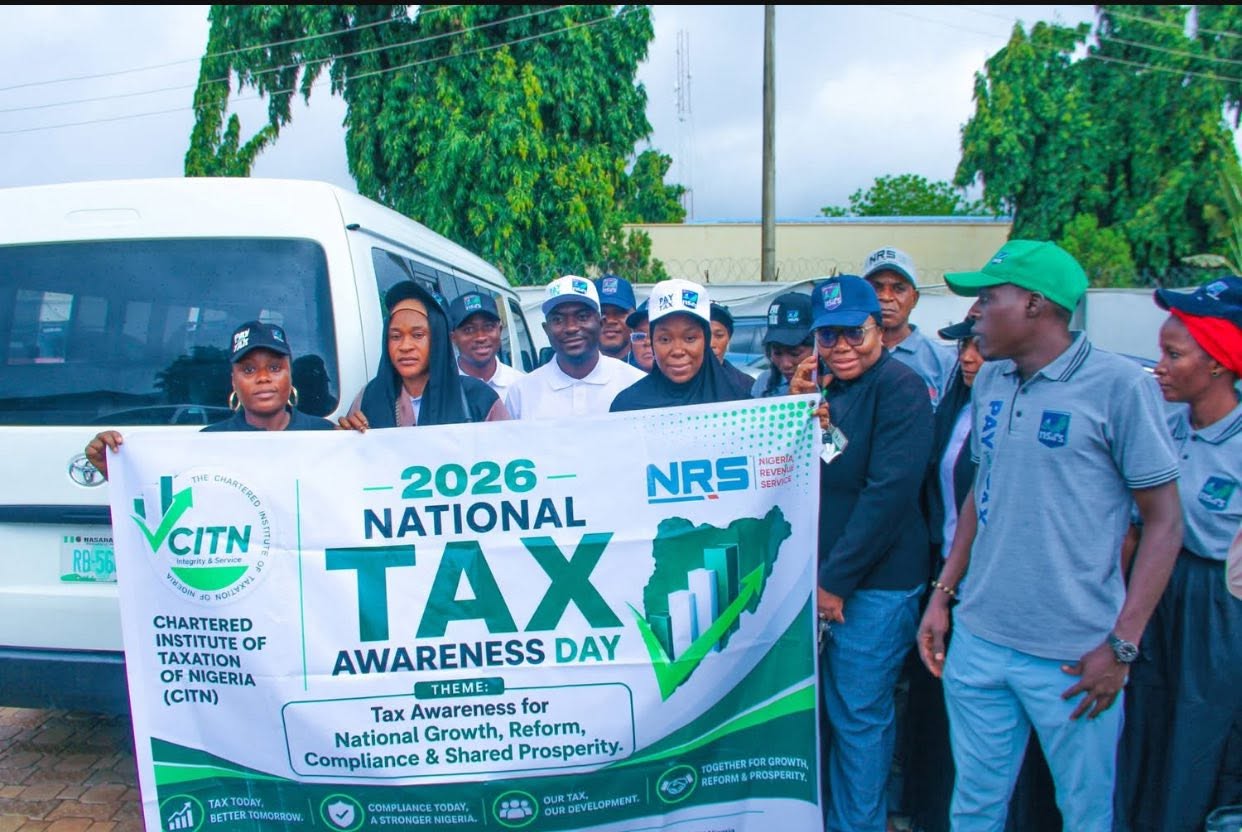
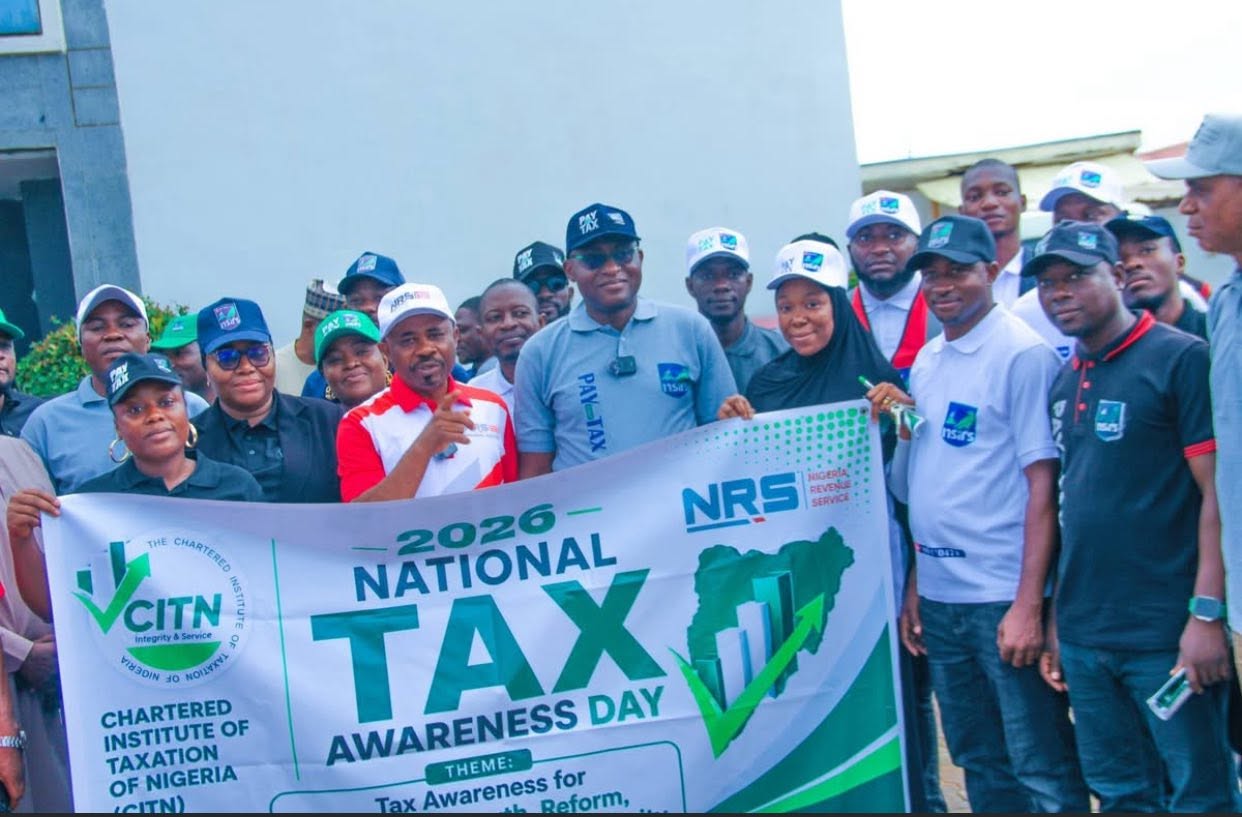
The nationwide campaign was launched during the inaugural National Tax Awareness Day, jointly organized by the NRS and CITN. The program is designed to deepen public understanding of taxation and promote a culture of voluntary compliance.
Coordinated nationwide outreach
The campaign was implemented simultaneously across different regions of Nigeria, reaching:
- Major markets and commercial centers
- Secondary schools and tertiary institutions
- Rural communities and urban districts
- Professional and business associations
Tax professionals engaged directly with members of the public, explaining the importance of taxation in supporting infrastructure, healthcare, education, and other public services.
International participation
In addition to domestic outreach, the initiative also extended to international branches of CITN in:
- The United Kingdom
- North America
This global participation highlights the growing emphasis on aligning Nigeria’s tax education efforts with international best practices.
Objectives of the Voluntary Tax Compliance Initiative
The Nigeria voluntary tax compliance campaign is centered on improving awareness and encouraging citizens to fulfill tax obligations willingly rather than through enforcement.
Strengthening tax education
One of the core objectives is to improve public knowledge of:
- How taxes are calculated and collected
- The legal framework guiding taxation in Nigeria
- The benefits of compliance for economic development
By improving understanding, authorities aim to reduce misconceptions that often lead to tax evasion or avoidance.
Building trust in tax systems
Another major focus is restoring and strengthening public confidence in tax institutions. Authorities emphasized that transparency and accountability are key drivers of voluntary compliance.
Encouraging digital tax systems
The campaign also supports the ongoing shift toward digital tax administration tools that simplify filing, payment, and record-keeping for taxpayers across the country.
National Tax Awareness Day Activities Across Regions
The National Tax Awareness Day served as the central platform for launching the Nigeria voluntary tax compliance campaign nationwide.
Public engagement programs
Across different states, CITN district societies organized multiple outreach activities, including:
- Market sensitization programs
- School-based tax education sessions
- Community town hall meetings
- Business advisory clinics
These activities were designed to ensure that tax information reaches individuals at all levels of society.
Media and stakeholder engagement
In addition to physical outreach, the campaign also included:
- Radio and television discussions
- Stakeholder meetings with business leaders
- Interactive question-and-answer sessions
- Public enlightenment broadcasts
These efforts helped amplify the message of voluntary compliance to a wider audience.

Government Tax Reforms and Digital Transformation
The launch of the Nigeria voluntary tax compliance campaign comes one year after the signing of major Tax Reform Acts by President Bola Ahmed Tinubu. These reforms are aimed at modernizing the tax system and improving efficiency.
Key reform objectives
The reforms focus on:
- Enhancing transparency in tax administration
- Improving efficiency through technology adoption
- Reducing bottlenecks in tax processes
- Expanding the national tax base
Introduction of digital platforms
As part of modernization efforts, the NRS has introduced digital solutions such as the Rev 360 platform, designed to improve taxpayer experience.
Features of digital transformation tools
- Easier tax filing and payment processes
- Real-time updates and tracking systems
- Improved access to taxpayer information
- Reduced administrative delays
These innovations support the broader goal of making tax compliance more accessible and less burdensome for individuals and businesses.
Stakeholder Engagement Between NRS and CITN
A key component of the Nigeria voluntary tax compliance campaign is the collaboration between government tax authorities and professional tax bodies.
High-level institutional visit
Leadership from CITN, led by its President and Chairman of Council, visited the headquarters of the NRS in Abuja to review progress on tax reforms and strengthen institutional cooperation.
The engagement focused on evaluating how recent policy changes are impacting tax administration and identifying areas for improvement.
Strengthening professional collaboration
Both organizations emphasized the importance of working together to:
- Improve tax administration systems
- Enhance taxpayer education
- Support policy implementation
- Strengthen compliance frameworks
This partnership is seen as essential to sustaining long-term tax reform success.
Role of Public Education in Tax Compliance
Public education remains a central pillar of the Nigeria voluntary tax compliance campaign, as highlighted by officials during the awareness program.
Importance of awareness in compliance
Tax administrators noted that informed citizens are more likely to comply voluntarily when they understand how tax revenue is used.
Key areas of emphasis include:
- Infrastructure development funding
- Public service delivery improvements
- National economic growth contributions
- Social welfare support systems
Expert-led outreach initiatives
Tax professionals played an active role in simplifying complex tax concepts for everyday understanding, helping bridge the gap between policy and public perception.
Impact on Economic Growth and Revenue Mobilization
The long-term goal of the Nigeria voluntary tax compliance campaign is to strengthen national revenue generation and support economic stability.
Expected economic benefits
Improved voluntary compliance is expected to:
- Increase government revenue collection
- Reduce enforcement costs
- Improve budgetary planning and execution
- Support sustainable national development projects
Strengthening fiscal responsibility
Officials emphasized that a strong tax culture is essential for reducing overreliance on external borrowing and ensuring long-term fiscal stability.
Frequently Asked Questions (FAQ)
What is the Nigeria voluntary tax compliance campaign about?
It is a nationwide initiative by NRS and CITN aimed at encouraging Nigerians to understand taxes and comply voluntarily.
Why is voluntary tax compliance important in Nigeria?
It helps improve government revenue, reduces enforcement pressure, and supports national development projects.

What role does CITN play in the campaign?
CITN supports tax education, professional engagement, and nationwide awareness programs to improve compliance.
How does the Rev 360 platform support tax compliance?
It simplifies tax filing, improves transparency, and enhances the efficiency of tax administration systems.
Conclusion
The Nigeria voluntary tax compliance campaign represents a significant step toward building a more informed and cooperative tax system in the country. Through nationwide outreach, digital transformation, and stronger institutional collaboration, the initiative aims to foster long-term compliance habits that support national economic growth and development.
As public awareness continues to improve, the success of such programs will depend on sustained education efforts, trust-building, and consistent improvements in tax administration systems.
Click here for more news


