
 0
0
 0
0
Nigeria rising terror threats 2026 have become a major national concern after fresh warnings highlighted the country’s worsening security situation and increasing terrorism-related incidents.
Rising Terror Threats Raise Alarm Nationwide
Recent developments have drawn attention to the growing insecurity across Nigeria, with concerns intensifying following the latest Global Terrorism Index rankings.
The report places Nigeria among the most affected nations globally, indicating a troubling rise in terrorism-related deaths. This has sparked widespread debate about governance, national security strategies, and the effectiveness of existing counter-terrorism efforts.
Former presidential candidate Peter Obi publicly reacted to the findings, describing them as a serious reflection of the country’s current state.
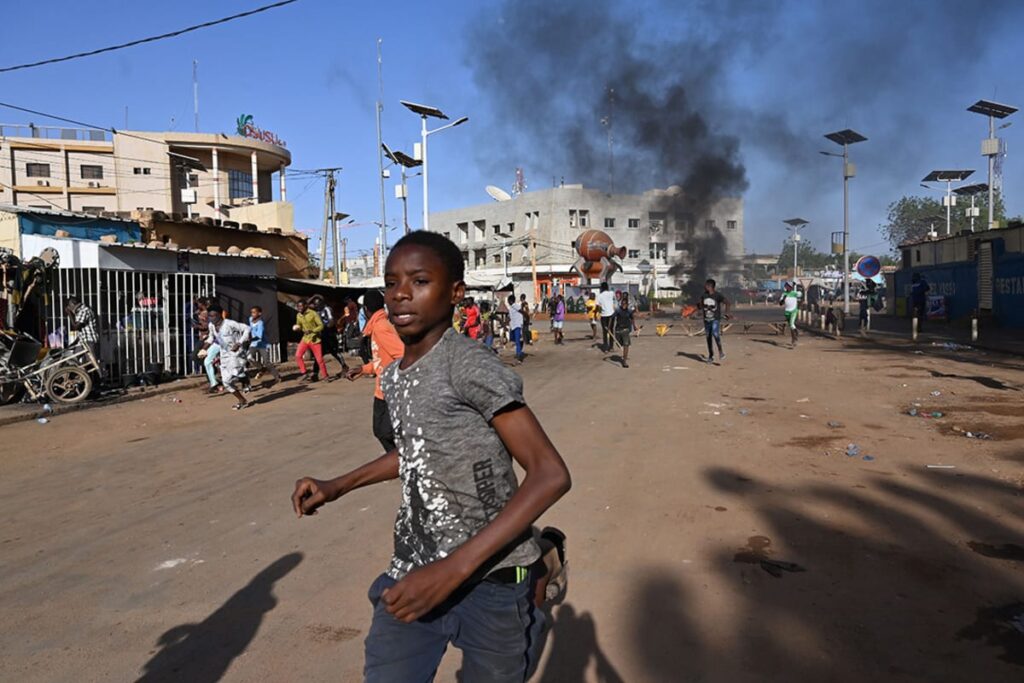
Key Highlights From the Report
-
Nigeria recorded a significant increase in terrorism-related fatalities
-
Several countries globally showed declining terror activity, unlike Nigeria
-
Ongoing insurgencies and criminal activities continue to impact civilians
These findings have reinforced concerns that the Nigeria rising terror threats 2026 situation requires immediate and strategic intervention.
Peter Obi Calls for Urgent Government Action
Responding to the report, Peter Obi emphasized the urgency of addressing the country’s deteriorating security environment. He described the situation as unacceptable and called on authorities to move beyond explanations and take concrete steps.
Concerns About Governance and Leadership
Obi attributed the worsening situation to multiple systemic issues, including:
-
Weak governance structures
-
Corruption and lack of accountability
-
Failure to enforce the rule of law
-
Poor prioritisation of national security
According to him, these factors have collectively contributed to the Nigeria rising terror threats 2026 crisis.
Questioning Government Responsibility
He raised critical questions about the role of government, stressing that protecting lives remains its primary responsibility. The continued loss of lives, he argued, reflects a gap between leadership expectations and actual performance.
Major Security Challenges Facing Nigeria
The Nigeria rising terror threats 2026 issue is deeply rooted in multiple overlapping security challenges affecting different regions of the country.
Boko Haram Insurgency
The long-running insurgency by Boko Haram continues to destabilize parts of northeastern Nigeria. Despite military efforts, the group remains active and capable of launching attacks.
ISWAP Activities
Another major threat comes from the Islamic State West Africa Province, which has expanded its operations in recent years. ISWAP is known for targeting both military installations and civilians.
Kidnapping and Banditry
Beyond insurgency, widespread kidnapping and armed banditry have become common, particularly in rural communities. These crimes have:
-
Disrupted local economies
-
Increased fear among citizens
-
Strained security resources
Impact on Daily Life
The combined effect of these threats has significantly altered daily life for many Nigerians. Communities face constant uncertainty, and economic activities are frequently disrupted.
Why Nigeria Differs From Global Trends
While many countries are recording improvements in security and reduced terrorism, Nigeria appears to be moving in the opposite direction.
Global Decline vs Local Increase
Globally, counter-terrorism strategies, intelligence sharing, and technological advancements have contributed to reduced terror incidents in several regions. However, Nigeria’s case highlights unique challenges:
-
Large and difficult-to-police territories
-
Socioeconomic inequalities
-
Weak institutional frameworks
Structural Issues Behind the Trend
Experts often point to deeper structural problems that fuel insecurity:
-
High unemployment rates
-
Poverty and lack of opportunities
-
Limited access to education in vulnerable regions
These factors create an environment where extremist groups can recruit and operate more easily.
Calls for Measurable Progress and Reform
A key message in the Nigeria rising terror threats 2026 discussion is the need for measurable improvements rather than temporary solutions.
Suggested Areas of Focus
To address the crisis effectively, several areas require attention:
-
Strengthening security agencies with better training and equipment
-
Improving intelligence gathering and coordination
-
Addressing root causes such as poverty and unemployment
-
Enhancing community policing and local engagement
Moving From Words to Action
There is growing consensus that long-term strategies are necessary to reverse current trends. Stakeholders have stressed that consistent implementation of policies is crucial to achieving sustainable results.
The Role of the Global Terrorism Index
The Global Terrorism Index plays a significant role in shaping global understanding of terrorism trends.
What the Index Measures
The report evaluates:
-
Number of terrorist incidents
-
Fatalities and injuries
-
Economic impact of terrorism
Its findings are widely used by policymakers, researchers, and international organizations to assess security risks.
Why the Latest Findings Matter
The latest ranking has renewed focus on Nigeria’s security challenges, prompting discussions on both domestic and international levels.
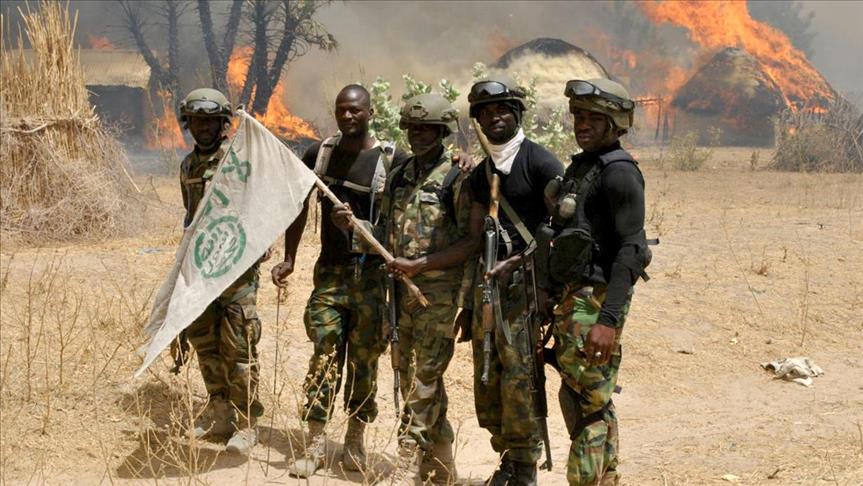
Public Reaction and Growing Concerns
The Nigeria rising terror threats 2026 situation has triggered widespread concern among citizens and analysts.
Public Sentiment
Many Nigerians have expressed frustration over the continued insecurity, highlighting:
-
Daily loss of lives
-
Limited sense of safety
-
Slow response to crises
Demand for Accountability
There is also increasing demand for accountability from leadership, with calls for transparent and effective governance.
FAQ
What is the Nigeria rising terror threats 2026 issue about?
It refers to the growing insecurity and increase in terrorism-related incidents in Nigeria, highlighted by recent global reports and public statements.
Why is Nigeria ranked high in the Global Terrorism Index?
Nigeria’s ranking is influenced by ongoing insurgencies, rising fatalities, and widespread criminal activities such as kidnapping and banditry.
What are the main causes of rising terror threats in Nigeria?
Key factors include weak governance, poverty, unemployment, corruption, and lack of effective security strategies.
What solutions are being suggested to tackle insecurity in Nigeria?
Proposed solutions include strengthening security agencies, improving intelligence systems, addressing socioeconomic issues, and implementing long-term reforms.
Conclusion
The Nigeria rising terror threats 2026 situation underscores the urgency of addressing the country’s security challenges through comprehensive and sustained efforts. With increasing concerns both locally and globally, the focus remains on achieving measurable progress that ensures safety and stability for all citizens.